
A K Kapoor Dr
About Me
A K Kapoor Dr
DO
Ophthalmologist
10 Years Experience
Biography
My Clinic
OPD Hours
| Monday | Morning | 10:00 AM | - | 02:00 PM |
| Evening | 06:00 PM | - | 09:00 PM | |
| Tuesday | Morning | 10:00 AM | - | 02:00 PM |
| Evening | 06:00 PM | - | 09:00 PM | |
| Wednesday | Morning | 10:00 AM | - | 02:00 PM |
| Evening | 06:00 PM | - | 09:00 PM | |
| Thursday | Morning | 10:00 AM | - | 02:00 PM |
| Evening | 06:00 PM | - | 09:00 PM | |
| Friday | Morning | 10:00 AM | - | 02:00 PM |
| Evening | 06:00 PM | - | 09:00 PM | |
| Saturday | Morning | 10:00 AM | - | 02:00 PM |
| Evening | 06:00 PM | - | 09:00 PM | |
| Sunday | Morning | 10:00 AM | - | 02:00 PM |
| Evening | 06:00 PM | - | 09:00 PM |
Treatments
Specialised care and treatments offered
DRY EYE SYNDROME TREATMENT
The condition dry eye syndrome arises when tear production is insufficient or tears evaporate too quickly causing ocular discomfort. It affects individuals across many age groups especially the elderly and those with prolonged screen exposure.
- Affected persons may experience irritation sensations such as grittiness, burning, redness, excessive tearing paradoxically due to irritation triggers)
- An accurate diagnosis includes tear film evaluation and ocular surface examination using specialized dyes under magnification instruments;
- Treatment strategies involve artificial tears supplementation combined sometimes with medications that stimulate tear production or reduce inflammation;
- Lifestyle changes include avoiding dry windy environments along with using humidifiers during indoor heating periods;
- Persistent moderate-to-severe cases might require punctal plugs which block tear drainage channels preserving natural moisture;
- A long-term management plan needs ongoing adherence for symptom relief and preventing complications including corneal injury;
Treating dry eyes enhances comfort dramatically improving daily function especially in modern lifestyles demanding extensive visual attention indoors/outdoors alike.
REFRACTIVE ERROR CORRECTION
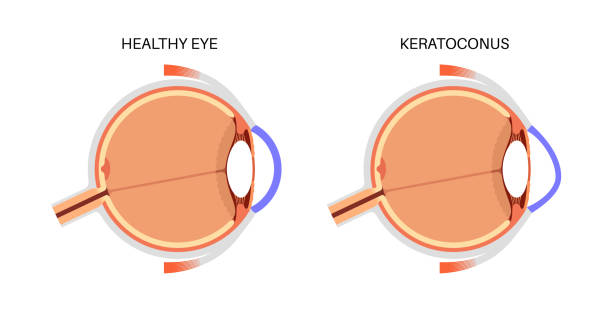
Error in focusing light on the retina causes blurry vision known as refractive errors. These include myopia (nearsightedness), hyperopia (farsightedness), astigmatism, and presbyopia affecting all ages differently.
- The most common symptoms are blurred vision at distances near or far along with eyestrain or headaches from uncorrected focus problems.
- The diagnosis process end involves measuring visual acuity using refraction tests performed during comprehensive eye exams.
EATERongs abnormal curvature of cornea/lens leading light rays not focusing properly on retina.
- Corrective lenses such as glasses/contact lenses are first-line management.
- Refractive surgeries like LASIK offer permanent correction for eligible patients.
- Regular updates necessary due changing optics over time.
Proper correction heightens comfort while performing daily activities like reading or driving safely.
DIABETIC RETINOPATHY SCREENING AND TREATMENT
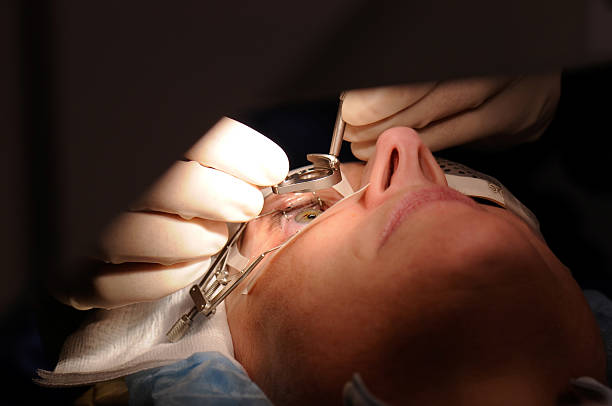
Diabetic retinopathy is a complication of diabetes causing damage to retinal blood vessels which can lead to blindness if untreated. Monitoring is critical for diabetic patients.
- Risk Factors & Symptoms: Typically asymptomatic early but may progress to blurred or distorted vision and floaters as vessels leak or bleed.
- Screening Techniques: Dilated retina exams and retinal photography help detect early changes before symptoms begin.
- Treatment Approaches: Laser photocoagulation therapy, anti-VEGF injections, or vitrectomy surgeries can manage advanced disease stages effectively.
- Preventative Measures: Controlling blood sugar levels and regular check-ups reduce progression risk significantly.
Timely detection combined with tailored therapies helps preserve eyesight in diabetic individuals facing this condition.
PEDIATRIC AMBLYOPIA THERAPY
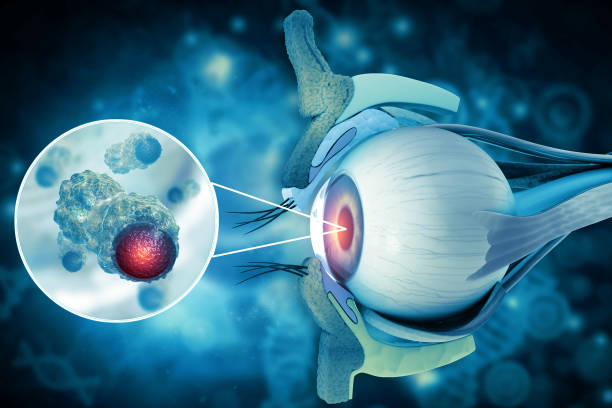
Amblyopia, commonly known as lazy eye, affects children where one eye fails to develop normal vision. Early intervention is key for successful treatment outcomes.
- Identification: Detected during childhood via routine screening or noticing poor vision in one eye without structural abnormalities.
- Causes: Can result from strabismus (misaligned eyes), refractive errors, or deprivation due to cataract or ptosis.
- Treatment Methods: Often includes patching the stronger eye to encourage use of the weaker one; corrective glasses or surgery may complement therapy.
- Follow-up Care: Requires consistent monitoring and adjustment over months or years depending on response to treatment.
This approach improves visual development and reduces long-term visual impairment when started promptly during early childhood years.
GLAUCOMA MANAGEMENT
Glaucoma is characterized by increased pressure inside the eye damaging the optic nerve, potentially leading to irreversible vision loss if untreated. Early detection is crucial.
- Causes & Symptoms: Often develops gradually without obvious symptoms initially; can cause peripheral vision loss over time.
- Diagnosis: Tonometry to measure eye pressure, optic nerve assessment, and visual field testing are standard.
- Treatment Options: Includes prescription eye drops, laser therapy, or surgery to lower intraocular pressure.
- Prognosis: Regular monitoring is essential to prevent progression; treatment can effectively control pressure but damage already done cannot be reversed.
Managing glaucoma focuses on preserving remaining vision through lifelong care and adherence to treatment plans.
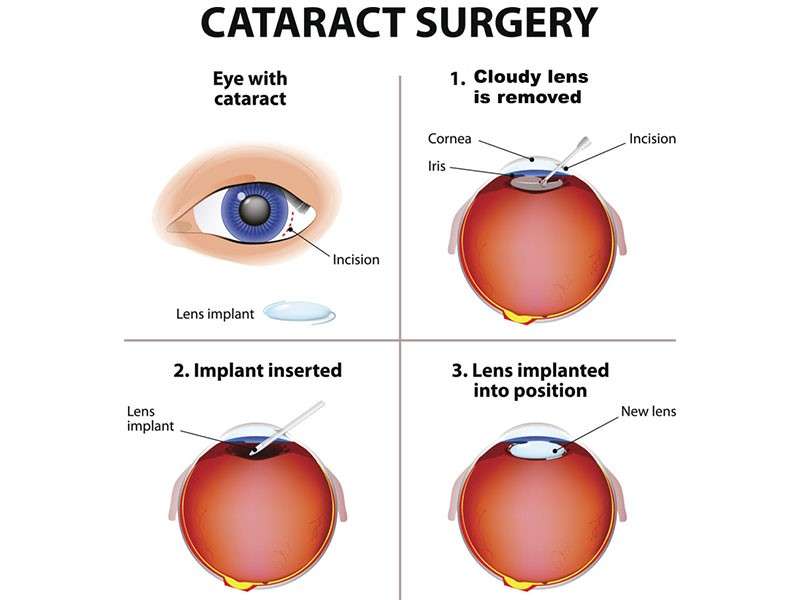
CATARACT SURGERY
Cataracts cause clouding in the eye’s natural lens, leading to blurred vision. Surgery is a common and effective way to restore sight by removing the cloudy lens and replacing it with an artificial one.
- Symptoms: Gradual vision blur, faded colors, glare sensitivity, difficulty with night vision.
- Diagnosis: Comprehensive eye exam including slit-lamp examination and visual acuity tests.
- Treatment: Surgical removal of the cloudy lens followed by insertion of an intraocular lens implant.
- What to Expect: Usually outpatient procedure with quick recovery; mild discomfort may occur; follow-up visits ensure proper healing.
This surgery significantly improves quality of life by restoring clear vision and reducing dependence on glasses or contacts in many cases.