
Agarwal Clinic Dr S
About Me
Agarwal Clinic Dr S
MD
Internal Medicine
10 Years Experience
Biography
My Clinic
OPD Hours
| Monday | Morning | 10:00 AM | - | 02:00 PM |
| Evening | 06:00 PM | - | 09:00 PM | |
| Tuesday | Morning | 10:00 AM | - | 02:00 PM |
| Evening | 06:00 PM | - | 09:00 PM | |
| Wednesday | Morning | 10:00 AM | - | 02:00 PM |
| Evening | 06:00 PM | - | 09:00 PM | |
| Thursday | Morning | 10:00 AM | - | 02:00 PM |
| Evening | 06:00 PM | - | 09:00 PM | |
| Friday | Morning | 10:00 AM | - | 02:00 PM |
| Evening | 06:00 PM | - | 09:00 PM | |
| Saturday | Morning | 10:00 AM | - | 02:00 PM |
| Evening | 06:00 PM | - | 09:00 PM | |
| Sunday | Morning | 10:00 AM | - | 02:00 PM |
| Evening | 06:00 PM | - | 09:00 PM |
Treatments
Specialised care and treatments offered
HYPERLIPIDEMIA LIFESTYLE INTERVENTION
An elevated level of lipids in blood increases cardiovascular risk but can often be controlled through non-invasive means focusing on nutrition and activity habits. Understanding hyperlipidemia promotes proactive health maintenance measures across age groups alike .
- Recognizing contributing factors : High cholesterol usually has no overt symptoms but familial predisposition , unhealthy diet , obesity , physical inactivity act as major contributors .
- Diagnostic procedures : Blood tests measuring total cholesterol , LDL , HDL , triglycerides establish presence and severity guiding subsequent treatment decisions .
- Treatment emphasis : Adopting diets low in saturated fats , increasing fiber intake alongside consistent aerobic workouts aid in lowering lipid levels ; statin drugs prescribed where lifestyle alone insufficient .
- Monitoring progress : Periodic lipid profiling assesses effectiveness enabling tailored modification maintaining cardiovascular protection throughout lifespan .
Addressing hyperlipidemia early through dedicated lifestyle improvements combined with medical oversight considerably reduces risks associated with heart disease ensuring better long-term outcomes .
OSTEOARTHRITIS SYMPTOM MANAGEMENT
This joint disorder results from cartilage breakdown leading to pain and stiffness predominantly affecting older adults. Effective symptom management ensures maintenance of mobility and daily function.
- Epidemiology and symptoms: Joint pain worsens with activity particularly in knees, hips or hands; stiffness following inactivity is common after rest periods or mornings.
- Eliciting diagnosis: Clinical examination supported by X-rays helps determine extent of joint involvement differentiating from other arthritic conditions.
- Treatment focus areas: Weight reduction reduces joint stress while tailored exercise strengthens supporting muscles. Pain relief via NSAIDs or topical agents complements non-pharmacological strategies such as heat application or physical therapy sessions provided regularly.
- Sustained management goals: Minimization of flare-ups through lifestyle choices fosters prolonged joint health without surgical intervention whenever feasible;
A holistic approach emphasizing self-care supported by medical guidance empowers individuals living with osteoarthritis minimize discomfort effectively over time .
CHRONIC OBSTRUCTIVE PULMONARY DISEASE (COPD) CARE
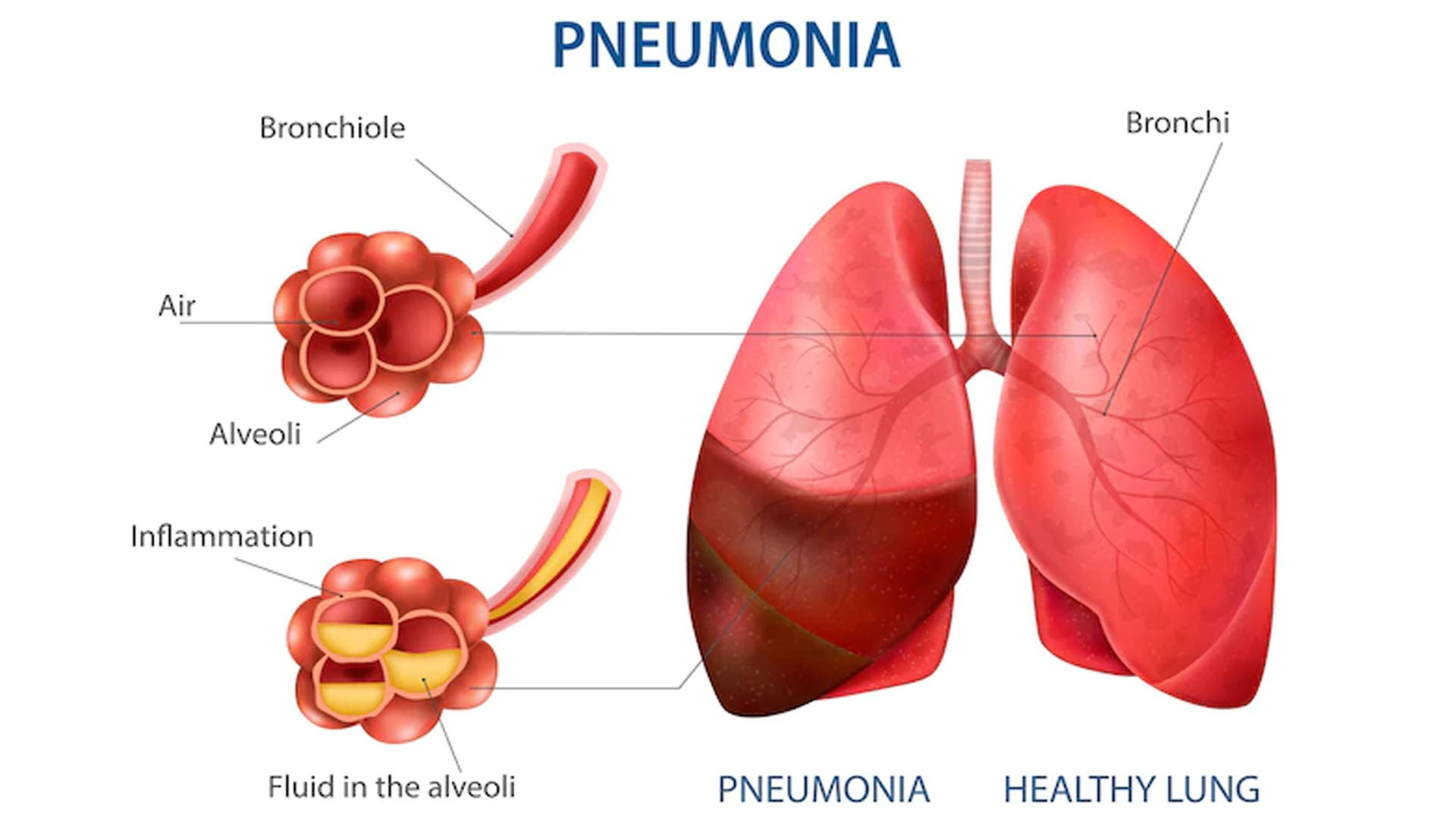
COPD describes a group of progressive lung diseases that cause airflow blockage making breathing difficult. Early recognition helps slow progression and improves life quality significantly.
- Main symptoms and causes: Persistent cough with mucus production, shortness of breath especially during exertion; mainly caused by long-term exposure to irritants like smoking or pollution.
- Diagnostic tools: Spirometry testing measures lung function confirming airflow limitation characteristic of COPD.
- Treatment approaches: Smoking cessation is critical; medications such as bronchodilators reduce airway constriction. Pulmonary rehabilitation enhances physical endurance while oxygen therapy supports severe cases.
- Lifestyle implications: Patients learn breathing techniques and receive vaccinations to prevent infections that exacerbate symptoms.
A multidisciplinary approach combining prevention efforts with medical therapy aids in maintaining independence despite the chronic nature of COPD.
GASTROESOPHAGEAL REFLUX DISEASE (GERD) MANAGEMENT
This digestive disorder involves stomach acid rising into the esophagus causing discomfort and potential damage. Symptoms can vary from mild to severe but managing GERD effectively improves daily well-being.
- Recognizing symptoms: Heartburn, regurgitation, chest pain particularly after meals are typical signs; triggers include certain foods and obesity.
- Diagnostic approach: Usually based on clinical history; sometimes endoscopy or pH monitoring are recommended if symptoms persist or worsen.
- Treatment methods: Lifestyle modifications like avoiding trigger foods, quitting smoking, elevating head during sleep combined with antacid medications form the core management strategy.
- Treatment goals: To relieve symptoms promptly while preventing complications such as esophageal inflammation or strictures through consistent care.
Lifestyle change alongside appropriate medication generally controls reflux episodes efficiently allowing patients to enjoy normal activities without discomfort.
TYPE 2 DIABETES MELLITUS CONTROL
Type 2 diabetes occurs when the body becomes less responsive to insulin or produces insufficient amounts leading to elevated blood sugar levels. Managing this condition is crucial to prevent serious complications.
- Symptoms and causes: Common signs include increased thirst, frequent urination, fatigue; risk factors involve obesity, sedentary lifestyle, family history.
- How it is diagnosed: Blood tests measuring fasting glucose or HbA1c give accurate assessment of glucose levels over time.
- Treatment options: Emphasis on dietary modification, structured exercise programs, weight loss strategies; medication or insulin therapy may be necessary in some cases.
- Long-term management: Regular monitoring with healthcare providers is vital to adjust treatment plans and screen for potential organ damage.
A comprehensive plan combining lifestyle adjustments with pharmacological treatments enables effective control of diabetes and improved quality of life.
CHRONIC HYPERTENSION MANAGEMENT
High blood pressure is a common condition that can increase the risk of heart disease and stroke if left uncontrolled. It often develops gradually over many years and may not show obvious symptoms initially.
- Symptoms and causes: While hypertension is often symptomless, some may experience headaches or dizziness; it can be caused by genetics, lifestyle factors like diet and activity, or underlying health issues.
- Diagnosis: Blood pressure readings taken at rest on multiple occasions help confirm the diagnosis; additional tests may evaluate organ impact.
- Treatment and management: Lifestyle changes such as reducing salt intake, regular exercise, and weight management are key; medications might be prescribed to maintain target levels.
- Monitoring expectations: Regular follow-ups ensure blood pressure control and adjustment of therapy to prevent complications.
Controlling blood pressure is essential for long-term health, often achievable with a combination of healthy habits and medical support tailored individually.