
Avani Neuro and Skin
About Me
Avani Neuro and Skin
MD
Dermatologist
10 Years Experience
Biography
My Clinic
OPD Hours
| Monday | Morning | 10:00 AM | - | 02:00 PM |
| Evening | 06:00 PM | - | 09:00 PM | |
| Tuesday | Morning | 10:00 AM | - | 02:00 PM |
| Evening | 06:00 PM | - | 09:00 PM | |
| Wednesday | Morning | 10:00 AM | - | 02:00 PM |
| Evening | 06:00 PM | - | 09:00 PM | |
| Thursday | Morning | 10:00 AM | - | 02:00 PM |
| Evening | 06:00 PM | - | 09:00 PM | |
| Friday | Morning | 10:00 AM | - | 02:00 PM |
| Evening | 06:00 PM | - | 09:00 PM | |
| Saturday | Morning | 10:00 AM | - | 02:00 PM |
| Evening | 06:00 PM | - | 09:00 PM | |
| Sunday | Morning | 10:00 AM | - | 02:00 PM |
| Evening | 06:00 PM | - | 09:00 PM |
Treatments
Specialised care and treatments offered
ROSACEA
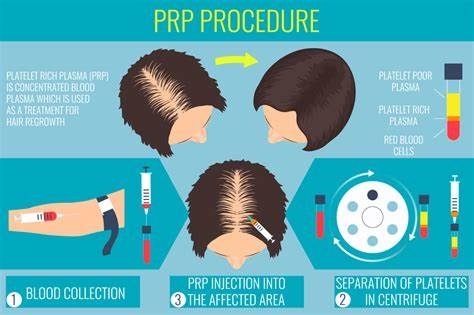
A chronic inflammatory condition predominantly affecting facial central areas characterized by redness flushing episodes along with visible blood vessels (telangiectasia) and sometimes acne-like bumps without blackheads.
- Underlying Causes: Multifactorial origin includes vascular dysregulation , immune hypersensitivity responses & microbial triggers such as Demodex mites .
- Recognition Methods: Clinical diagnosis usually based on persistent facial erythema with episodic flares triggered by heat , spicy foods , alcohol intake or sun exposure .
- Treatment Techniques: Consist primarily of topical metronidazole , azelaic acid gels & oral antibiotics during flare-ups ; laser therapy may help diminish visible blood vessels .
- Self-care Guidance: Identifying personal triggers to limit exposure plus using gentle skincare products formulated for sensitive skin helps reduce aggravation potential .
An informed approach combining medical therapies alongside lifestyle modifications offers effective symptom control improving patients’ confidence in social interactions.
SEBORRHEIC DERMATITIS
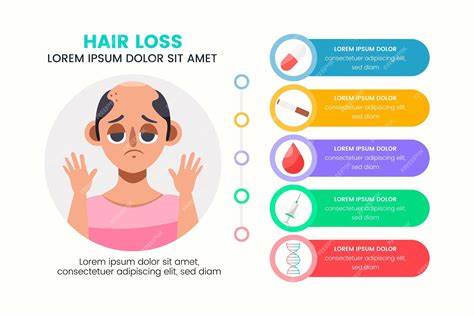
This common inflammatory skin disorder primarily affects areas rich in sebaceous glands leading to flaky scales with redness. It often occurs on the scalp (dandruff), face around eyebrows, nose sides & chest.
- Etiology: Thought to arise due to an abnormal immune response interacting with Malassezia yeast normally residing on the skin along with increased oil secretion .
- Diagnostic Features: Presence of greasy yellowish scales accompanied by persistent itchiness confirms clinical suspicion .
- Management Strategies: Antifungal shampoos , medicated creams containing corticosteroids or calcineurin inhibitors reduce inflammation ; regular gentle cleansing supports symptom relief .
- Patient Advice : Avoid harsh scrubbing , use lukewarm water for washing , maintain scalp hygiene consistently ; condition might wax & wane necessitating ongoing care .
With sustained treatment adherence , seborrheic dermatitis symptoms generally improve considerably allowing comfortable daily living .
MELASMA
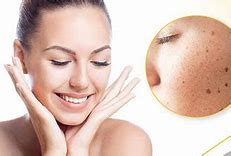
This pigmentary disorder manifests as irregular brown-to-grayish patches typically appearing symmetrically on sun-exposed areas like cheeks and forehead. It is especially common among women due to hormonal influences.
- Main Causes: Ultraviolet exposure combined with hormonal changes during pregnancy or from contraceptive use plays a crucial role in melanin overproduction within affected skin regions.
- Disease Detection: Clinical observation supported by Wood's lamp examination assists differentiation from other pigmentation disorders;
ATOPIC DERMATITIS (ECZEMA)
This chronic inflammatory condition causes dry, itchy skin patches that may weep or become crusted if infected. It frequently affects children but can continue into adulthood or start later in life.
- Causative Factors: Often linked to genetic predisposition paired with environmental triggers like allergens, irritants or climatic changes causing immune hyperreactivity.
- Eczema Identification: Visually diagnosed by its characteristic dry erythematous plaques with lichenification from scratching localized commonly on flexural areas of arms/knees but capable of involving any region.
- Treatment Regimens: Mainstay treatments include regular emollient use for hydration; topical corticosteroids or calcineurin inhibitors for flare control; antihistamines may relieve itching;
- Avoidance Strategies: Identifying personal trigger factors including harsh soaps/detergents or stress helps reduce exacerbations;
The goal revolves around restoring barrier function and controlling inflammation for better comfort and prevention of secondary infection complications.
ACNE VULGARIS
Acne vulgaris is one of the most common skin disorders affecting hair follicles and oil glands. It primarily appears during adolescence but can persist or begin in adulthood as well.
- Causes: Excess sebum production, clogged hair follicles with dead skin cells, bacteria proliferation (Propionibacterium acnes), and hormonal changes are typical contributors.
- How Diagnosis is Made: Diagnosed clinically based on the presence of comedones (blackheads/whiteheads), papules, pustules, or cysts on face and other areas prone to acne.
- Treatment Approaches: Range from topical retinoids, benzoyl peroxide, antibiotics to oral medications such as isotretinoin depending on severity.
- Lifestyle Tips: Gentle cleansing routines, non-comedogenic skincare products, balanced diet, and avoiding excessive touching or picking of the lesions are recommended practices.
With correct care and adherence to treatment protocols, acne symptoms can be significantly diminished to prevent scarring and pigmentation issues.
PSORIASIS
Psoriasis is a chronic autoimmune condition that primarily affects the skin, leading to red, scaly patches. It often follows a relapsing and remitting course, which means symptoms can flare up and then improve over time.
- Symptoms and Causes: Characterized by thick, silvery scales and dry, itchy skin lesions resulting from an accelerated growth cycle of skin cells caused by immune system dysfunction.
- Diagnosis: Typically made through clinical examination; sometimes a skin biopsy is performed to confirm diagnosis and rule out similar conditions.
- Treatment Options: Includes topical therapies such as corticosteroids and vitamin D analogues, phototherapy, and systemic medications in more severe cases.
- Lifestyle Management: Stress reduction, maintaining skin hydration, avoiding triggers like infections or certain medications can help manage flare-ups.
- Expectations: While psoriasis is a long-term condition without a cure, effective treatment can significantly control symptoms and improve quality of life.
Understanding this condition aids in recognizing warning signs early and adhering to treatment plans for optimal management.