
best heart doctor in
About Me
best heart doctor in
MD
Cardiologist
10 Years Experience
Biography
My Clinic
OPD Hours
| Monday | Morning | 10:00 AM | - | 02:00 PM |
| Evening | 06:00 PM | - | 09:00 PM | |
| Tuesday | Morning | 10:00 AM | - | 02:00 PM |
| Evening | 06:00 PM | - | 09:00 PM | |
| Wednesday | Morning | 10:00 AM | - | 02:00 PM |
| Evening | 06:00 PM | - | 09:00 PM | |
| Thursday | Morning | 10:00 AM | - | 02:00 PM |
| Evening | 06:00 PM | - | 09:00 PM | |
| Friday | Morning | 10:00 AM | - | 02:00 PM |
| Evening | 06:00 PM | - | 09:00 PM | |
| Saturday | Morning | 10:00 AM | - | 02:00 PM |
| Evening | 06:00 PM | - | 09:00 PM | |
| Sunday | Morning | 10:00 AM | - | 02:00 PM |
| Evening | 06:00 PM | - | 09:00 PM |
Treatments
Specialised care and treatments offered
HEART VALVE REPAIR SURGERY

The integrity of heart valves is crucial for unidirectional blood flow. When valves become leaky (regurgitation) or narrowed (stenosis), surgical repair aims to restore their functionality preserving native tissue when possible.
- Common Indicators:Symptoms such as fatigue, breathlessness on exertion, palpitations may signal valvular dysfunction requiring intervention.
- Diagnostic Measures:Echocardiograms evaluate valve structure/function; cardiac MRI provides additional detail if needed.
- Surgical Techniques:Repair may involve leaflet reshaping, chordae tendineae reconstruction, annuloplasty rings insertion instead of complete valve replacement.
- Postoperative Recovery:Includes hospital monitoring followed by cardiac rehabilitation programs enhancing functional capacity.
Valve repair generally offers better outcomes than replacement by preserving natural valves and reducing complications related to prosthetic devices.
ELECTROPHYSIOLOGICAL STUDY AND RADIOFREQUENCY ABLATION
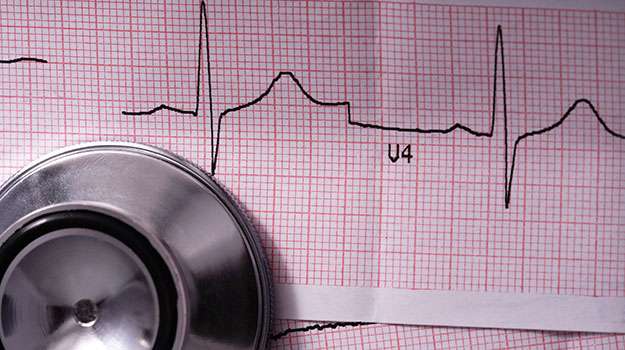
Irritable areas in the heart’s electrical system can lead to abnormal rhythms causing palpitations or syncope. Electrophysiological studies map these abnormal pathways precisely before ablation therapy treats them effectively.
- Pertinent Symptoms:If patients suffer recurrent tachycardia episodes or unexplained fainting spells, evaluation is recommended.
- The Study Process:A catheter-based assessment records intracardiac signals identifying arrhythmogenic foci causing rhythm disturbances.
- Therapeutic Ablation:Radiofrequency energy targets faulty tissue areas through catheters that destroy small regions responsible for abnormal impulses.
- Recovery Considerations:Typically outpatient with monitoring afterward; most patients see marked improvement without need for long-term medications.
This combined diagnostic-therapeutic approach allows accurate identification and cure of many complex arrhythmias without open surgery.
TRANSCATHETER AORTIC VALVE REPLACEMENT (TAVR)
Aortic valve diseases can severely impair cardiac function. Transcatheter Aortic Valve Replacement provides a less invasive alternative to traditional surgery for high-risk patients needing valve replacement.
- Disease Profile: Severe aortic stenosis leading to symptoms like chest pain, fainting spells, or heart failure may necessitate valve replacement.
- Assessment Techniques: Echocardiography evaluates valve anatomy and function; CT scans assist procedural planning.
- Treatment Overview: Via catheter access through the femoral artery or other routes, a new valve is deployed inside the diseased one without open-heart surgery.
- Post-TAVR Expectations: Most patients experience symptom relief with shorter hospital stays compared to surgical options; follow-up imaging tracks valve performance over time.
This advanced intervention broadens treatment possibilities for those unsuitable for conventional surgical repair due to age or comorbidities.
IMPLANTABLE CARDIOVERTER DEFIBRILLATOR (ICD) PLACEMENT
Certain cardiac arrhythmias can cause sudden cardiac arrest; an Implantable Cardioverter Defibrillator offers lifesaving protection by detecting and correcting dangerous rhythms automatically.
- Indications: Patients with a history of ventricular tachycardia/fibrillation or significant heart muscle damage are candidates for ICD implantation.
- Diagnostic Evaluation: Electrocardiograms (ECG), Holter monitoring, and electrophysiological studies help assess arrhythmic risk levels.
- Surgical Procedure: The ICD device is implanted beneath the skin near the collarbone with leads placed inside the heart chambers.
- Lifestyle Implications: Regular follow-up ensures device function; patients can resume normal activities with guidance regarding electromagnetic interference precautions.
This technology has revolutionized arrhythmia management by continuously safeguarding against fatal heart rhythm disturbances.
PERCUTANEOUS CORONARY INTERVENTION (PCI)
Percutaneous Coronary Intervention is a minimally invasive procedure designed to open narrowed coronary arteries and improve blood flow without open-heart surgery. It is commonly employed in managing acute or chronic coronary artery disease.
- Symptoms Indicating Need: Angina or heart attack symptoms often prompt PCI consideration.
- Diagnostic Tools: Cardiac catheterization with angiography helps pinpoint artery narrowing location and extent.
- Treatment Procedure: A balloon catheter dilates the artery, frequently accompanied by stent placement to maintain vessel openness.
- Post-Procedure Care: Antiplatelet therapy minimizes clot risk; lifestyle changes support long-term vessel health.
The rapid recovery time and effectiveness of PCI make it an integral option in modern cardiology for restoring adequate myocardial perfusion promptly.
CORONARY ARTERY BYPASS GRAFTING (CABG)
When blockages in the heart's arteries restrict blood flow, surgical intervention may be necessary to restore proper circulation. One common and effective approach is Coronary Artery Bypass Grafting, which reroutes blood around clogged vessels.
- Symptoms and Causes: Patients often experience chest pain (angina), shortness of breath, or fatigue due to coronary artery disease caused by plaque buildup.
- Diagnosis: Evaluation involves angiography, stress tests, and imaging to assess blockage severity.
- Treatment Approach: CABG entails using healthy vessels (usually from the leg or chest) to bypass blocked arteries.
- Recovery: Post-operative care includes monitoring in the ICU, gradual physical activity increase, and medications to prevent complications.
- Outcomes: This surgery improves blood flow, reduces symptoms, and can significantly enhance quality of life and survival rates.
This intervention is considered when medication or less invasive procedures are insufficient, providing a durable solution for critical arterial blockages.