
Best Joint Replacemen
About Me
Best Joint Replacemen
MD
Cardiologist
10 Years Experience
Biography
My Clinic
OPD Hours
| Monday | Morning | 10:00 AM | - | 02:00 PM |
| Evening | 06:00 PM | - | 09:00 PM | |
| Tuesday | Morning | 10:00 AM | - | 02:00 PM |
| Evening | 06:00 PM | - | 09:00 PM | |
| Wednesday | Morning | 10:00 AM | - | 02:00 PM |
| Evening | 06:00 PM | - | 09:00 PM | |
| Thursday | Morning | 10:00 AM | - | 02:00 PM |
| Evening | 06:00 PM | - | 09:00 PM | |
| Friday | Morning | 10:00 AM | - | 02:00 PM |
| Evening | 06:00 PM | - | 09:00 PM | |
| Saturday | Morning | 10:00 AM | - | 02:00 PM |
| Evening | 06:00 PM | - | 09:00 PM | |
| Sunday | Morning | 10:00 AM | - | 02:00 PM |
| Evening | 06:00 PM | - | 09:00 PM |
Treatments
Specialised care and treatments offered
HEART FAILURE MANAGEMENT WITH DEVICE THERAPY

Treating advanced heart failure often requires combining medications with specialized devices that optimize cardiac function. Device therapies help coordinate contractions improving efficiency in weakened hearts failing pump action sufficiently on their own.
- Heart failure overview: Characterized by breathlessness, fatigue, swelling due to reduced pumping capacity commonly from ischemic damage or cardiomyopathies.
- Devices involved: Cardiac resynchronization therapy (CRT) devices pace both ventricles simultaneously enhancing synchrony; ventricular assist devices (VADs) mechanically support circulation in severe cases awaiting transplantation or recovery.
- Selection criteria: Candidates undergo thorough evaluation including ejection fraction measurement plus symptomatic status classification guiding device-based intervention timing decisions appropriately tailored individually.
- Treatment benefits: Improved exercise tolerance, reduced hospitalization frequency along with symptom alleviation substantiate advantages over drug-only strategies especially when refractory symptoms persist despite optimal pharmacotherapy.
Integration of device therapy marks significant progress in comprehensive management plans aiming toward better survival rates coupled with enhanced quality of life even amid critical illness stages involving cardiac failure progression concerns regularly monitored clinically afterward.
PERCUTANEOUS CORONARY INTERVENTION (PCI)
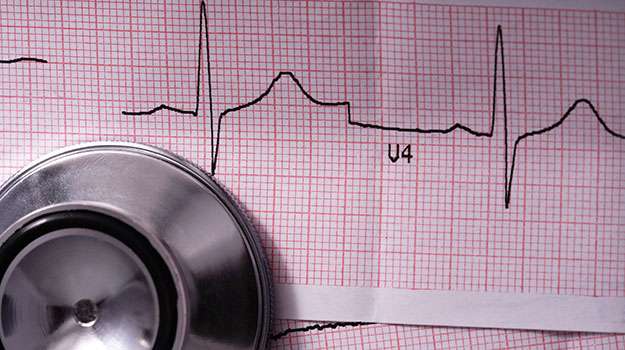
Percutaneous Coronary Intervention is an advanced non-surgical procedure aimed at opening narrowed coronary arteries that restrict blood flow leading to ischemic symptoms. It involves balloon angioplasty often combined with stent placement.
- Indications: Chest discomfort during exertion (angina), acute myocardial infarction, or positive stress test results suggest candidate suitability for PCI intervention.
- Diagnostic tools: Angiography confirms location/degree of blockages warranting immediate intervention.
- Procedure: A catheter inserts through groin or wrist artery reaching affected coronary vessel where balloon inflation dilates it restoring perfusion; metal stents usually deployed maintaining vessel patency long-term.
- Advantages: Minimally invasive nature enables rapid symptom relief, shorter hospital stays compared with bypass surgery along with improved prognosis depending on extent of disease.
Careful medication compliance post-PCI including antiplatelets reduces restenosis risk whilst lifestyle modifications complement procedural success beneficially over time.
IMPLANTABLE CARDIOVERTER DEFIBRILLATOR (ICD) PLACEMENT
An Implantable Cardioverter Defibrillator is a device designed to monitor heart rhythm continuously and deliver shocks during life-threatening ventricular arrhythmias. It serves as an important preventive tool against sudden cardiac death.
- Candidacy factors: People with previous cardiac arrest, severe cardiomyopathy, or ventricular tachycardia benefit most from ICD implantation for primary or secondary prevention purposes.
- Surgical implantation: The ICD generator is placed under the skin near the collarbone while leads are threaded into the heart chambers via veins under local anesthesia plus sedation typically.
- Device function:The system detects dangerous rhythms automatically and delivers corrective shocks promptly to restore normal heartbeat rhythm without patient intervention needed during emergencies.
- Lifestyle impact & follow-up:The patient requires periodic device interrogation checks but can maintain regular activities after recovery phase with some precautions advised regarding electromagnetic interference exposure.
An ICD significantly reduces mortality risk among high-risk individuals by providing lifesaving therapy at critical moments where sudden arrhythmic events occur unexpectedly.
ELECTROPHYSIOLOGY STUDY AND CATHETER ABLATION
An electrophysiology study helps diagnose abnormal heart rhythms by mapping the electrical activity inside the heart. When arrhythmias are identified, catheter ablation can treat them effectively during the same session.
- The problem addressed: Irregular heartbeat or palpitations causing dizziness or fainting may prompt this evaluation.
- Diagnostic process: Small catheters introduced via veins record heart impulses enabling precise localization of arrhythmogenic areas.
- Ablation treatment: Thermal energy destroys problematic tissue causing abnormal conduction pathways leading to rhythm disturbances.
- Ablation benefits: Many patients achieve lasting cure or significant symptom relief without needing long-term medication control after successful ablation procedures.
This approach offers a targeted solution for complex arrhythmias improving patient well-being and reducing sudden cardiac event risk when medical therapy is inadequate or poorly tolerated.
TRANSCATHETER AORTIC VALVE REPLACEMENT (TAVR)
This minimally invasive technique replaces a diseased aortic valve that fails to open properly, often due to stenosis. TAVR avoids open-heart surgery by delivering a new valve via catheterization.
- Symptoms & causes: Patients with aortic stenosis may suffer from chest pain, dizziness, or heart failure symptoms due to valve narrowing.
- Diagnostic methods: Echocardiography and cardiac catheterization confirm valve dysfunction severity.
- Surgical procedure: A catheter inserted through the femoral artery guides the new valve into place without needing sternotomy.
- Post-operative care: Reduced ICU time compared to traditional surgery; patients recover faster with close monitoring for complications like arrhythmias or vascular injury.
- Treatment outcome: TAVR improves symptoms, exercise capacity, and survival rates especially in patients with high surgical risks.
This treatment represents a revolutionary option for high-risk candidates who would otherwise be unsuitable for conventional valve replacement surgery.
CORONARY ARTERY BYPASS GRAFTING (CABG)
Coronary Artery Bypass Grafting is a surgical procedure used to improve blood flow to the heart muscle when coronary arteries are blocked or narrowed. This intervention helps reduce symptoms of chest pain and prevent heart attacks.
- Symptoms and causes: Patients often experience angina, shortness of breath, or fatigue due to blocked arteries caused by atherosclerosis.
- Diagnosis: Diagnostic tests include coronary angiography, stress tests, and echocardiograms to assess blockage severity.
- Treatment approach: CABG involves grafting vessels from other body parts to bypass the obstructed arteries and restore blood supply.
- Recovery expectations: Post-surgery recovery includes hospital stay followed by cardiac rehabilitation focusing on lifestyle changes and medication adherence.
- Long-term management: Continuous monitoring and risk factor modification such as controlling cholesterol and hypertension are essential for success.
This procedure can significantly enhance quality of life and survival in patients with advanced coronary artery disease when medical therapy alone is insufficient.