
Best Joint Surgeon Ja
About Me
Best Joint Surgeon Ja
MS
Orthopaedic Surgeons
10 Years Experience
Biography
My Clinic
OPD Hours
| Monday | Morning | 10:00 AM | - | 02:00 PM |
| Evening | 06:00 PM | - | 09:00 PM | |
| Tuesday | Morning | 10:00 AM | - | 02:00 PM |
| Evening | 06:00 PM | - | 09:00 PM | |
| Wednesday | Morning | 10:00 AM | - | 02:00 PM |
| Evening | 06:00 PM | - | 09:00 PM | |
| Thursday | Morning | 10:00 AM | - | 02:00 PM |
| Evening | 06:00 PM | - | 09:00 PM | |
| Friday | Morning | 10:00 AM | - | 02:00 PM |
| Evening | 06:00 PM | - | 09:00 PM | |
| Saturday | Morning | 10:00 AM | - | 02:00 PM |
| Evening | 06:00 PM | - | 09:00 PM | |
| Sunday | Morning | 10:00 AM | - | 02:00 PM |
| Evening | 06:00 PM | - | 09:00 PM |
Treatments
Specialised care and treatments offered
OSTEOARTHRITIS MANAGEMENT
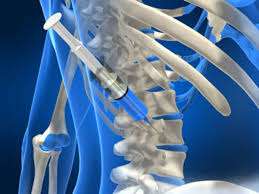
An extremely common degenerative joint disorder characterized by cartilage breakdown causing chronic joint discomfort predominantly among older adults but also younger individuals after injury overuse events occurs widely worldwide globally impacts mobility adversely affecting lifestyle quality adversely adversely adversely
|ROTATOR CUFF REPAIR
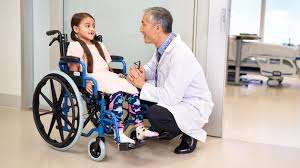
The rotator cuff comprises muscles and tendons stabilizing shoulder joint movements. Tears can cause weakness and painful limitations requiring medical intervention depending on severity.
- Causal factors & symptoms: Injury from trauma or repetitive overhead activities can lead to partial/full tendon tears presenting with shoulder pain, especially at night or during lifting tasks.
- Evidential diagnosis tools: Clinical evaluation paired with ultrasound or MRI confirms tear size, location, aiding surgical planning if needed. Treatment modalities available: Initial management involves rest, anti-inflammatory medications plus specialized physiotherapy; larger tears often necessitate surgical repair via arthroscopy restoring tendon attachment strength.
Following intervention prolonged rehabilitation focusing on gradual strengthening helps regain comprehensive shoulder function.
Pbject>P(Recovery expectations are optimistic when patients adhere diligently to prescribed therapy protocols.)
TOTAL HIP REPLACEMENT

A total hip replacement replaces a damaged hip joint with artificial components to alleviate pain and restore mobility in advanced arthritis cases or traumatic injuries.
- Main indications: Severe osteoarthritis causing chronic pain unresponsive to medication along with loss of joint function prompts consideration of replacement surgery.
- Preoperative assessment: Evaluations include imaging studies alongside assessments of overall health status ensuring patient readiness for procedure under anesthesia.
- Surgical process overview: Damaged cartilage and bone are removed carefully before implanting prosthetic components replicating natural hip anatomy and movement mechanics.
- Rehabilitation importance: Physical therapy post-surgery is critical to strengthen muscles around the new joint improving flexibility and stability gradually over weeks to months.
This surgery frequently results in marked improvements in pain relief and daily activity engagement enhancing patients’ quality of life substantially when conservative therapies no longer suffice.
SPINAL FUSION SURGERY

A common solution for severe spinal instability or chronic back pain involves fusing vertebrae to create a solid bone segment that reduces movement at painful joints.
- Symptoms prompting treatment: Patients often report debilitating back pain not relieved by conservative therapies along with possible nerve symptoms like numbness or weakness.
- Diagnostic evaluation: Advanced imaging techniques such as CT scans or MRIs help identify degeneration, fractures, or deformities requiring fusion.
- Surgical procedure details: Surgeons remove damaged discs or bones between targeted vertebrae then implant bone grafts and hardware (plates/screws) to encourage fusion over time.
- Counseling on outcomes: Success depends on patient compliance with postoperative restrictions; fusion stabilizes spine segments but limits motion at fused levels.
This treatment is reserved for carefully selected cases where other interventions have failed to provide long-term relief from spinal disorders affecting quality of life significantly.
PEDIATRIC CLUBFOOT CORRECTION

The condition known as clubfoot affects newborns’ foot positioning and development. Early intervention is crucial for achieving normal walking capability later in life.
- Causes and presentation: Clubfoot involves inward twisting of the feet caused by abnormal muscle or bone development during fetal growth.
- Diagnosis: Physical examination immediately after birth typically confirms the diagnosis; sometimes ultrasound assists prenatal detection.
- Treatment strategies: The Ponseti method using gentle manipulation and casting over weeks remains the gold standard for non-surgical correction in infants.
- Surgical options: If conservative methods fail, limited surgery may be necessary to release tight tendons or adjust bones for proper alignment.
- Prognosis: With timely treatment, children usually achieve functional, pain-free feet suited for daily activities as they grow.
This condition requires dedicated follow-up care to monitor developmental progress and prevent relapses during childhood growth phases.
ARTHROSCOPIC KNEE SURGERY

When dealing with persistent knee pain or mobility issues, minimally invasive procedures like arthroscopic knee surgery can offer effective relief. This technique allows surgeons to diagnose and treat joint problems through small incisions using a camera.
- Symptoms and causes: Patients may experience swelling, stiffness, or locking in the knee due to meniscal tears, ligament injuries, or cartilage damage.
- Diagnosis: Physicians use physical examination combined with imaging modalities such as MRI or X-rays to evaluate joint structures before surgery.
- Treatment options: Arthroscopy offers the ability to repair torn ligaments, remove damaged cartilage, or clean debris causing inflammation in the knee.
- Management: Postoperative rehabilitation and physiotherapy are essential for optimal recovery and restoring joint function.
- Expectations: Recovery generally involves reduced pain and improved range of motion; however, recovery times vary depending on the extent of injury and surgery performed.
This approach reduces risks associated with open surgeries and shortens hospital stays while effectively addressing many knee joint conditions.