
Best Neurosurgeon in
About Me
Best Neurosurgeon in
MBBS
General Physician
10 Years Experience
Biography
My Clinic
OPD Hours
| Monday | Morning | 10:00 AM | - | 02:00 PM |
| Evening | 06:00 PM | - | 09:00 PM | |
| Tuesday | Morning | 10:00 AM | - | 02:00 PM |
| Evening | 06:00 PM | - | 09:00 PM | |
| Wednesday | Morning | 10:00 AM | - | 02:00 PM |
| Evening | 06:00 PM | - | 09:00 PM | |
| Thursday | Morning | 10:00 AM | - | 02:00 PM |
| Evening | 06:00 PM | - | 09:00 PM | |
| Friday | Morning | 10:00 AM | - | 02:00 PM |
| Evening | 06:00 PM | - | 09:00 PM | |
| Saturday | Morning | 10:00 AM | - | 02:00 PM |
| Evening | 06:00 PM | - | 09:00 PM | |
| Sunday | Morning | 10:00 AM | - | 02:00 PM |
| Evening | 06:00 PM | - | 09:00 PM |
Treatments
Specialised care and treatments offered
SEASONAL ALLERGIC RHINITIS MANAGEMENT
This allergic condition affects the nasal passages when exposed seasonally to pollens or allergens causing inflammation leading to bothersome symptoms. Effective management improves daily comfort especially during peak seasons of allergen exposure.
- Main triggers & symptoms: Commonly triggered by tree/grass pollen resulting in sneezing fits , nasal congestion , itching , watery eyes , postnasal drip
- Evolving diagnosis steps: Symptom history combined occasionally with allergy testing such as skin prick tests help identify specific allergens responsible
- Therapeutic options: Use of intranasal corticosteroids , oral antihistamines , decongestants provide symptomatic relief tailored based on severity and frequency
- Avoidance strategies: Minimizing outdoor activities during peak pollen times , keeping windows closed act as preventive measures reducing exposure level
- User guidance: Consistent use of prescribed medications before allergy seasons reduces risk for severe flare-ups ensuring better symptom control
Targeted interventions addressing immune response offer those suffering from seasonal allergic rhinitis improved functioning throughout allergy-prone periods .
GASTROESOPHAGEAL REFLUX DISEASE (GERD)

GERD occurs when stomach acid frequently flows back into the tube connecting your mouth and stomach causing irritation. Understanding how to manage this condition reduces discomfort and prevents damage to the esophagus lining over time.
- Sufferers' complaints & causes:: Symptoms include heartburn sensation after meals or lying down frequently; excess acid reflux commonly results from weakened lower esophageal sphincter muscle functionality or lifestyle habits like overeating/smoking consumption patterns
- Diagnostic techniques: Diagnosis relies primarily on clinical history supported by upper endoscopy or pH monitoring in complicated cases
- Treatment methods: Includes dietary modifications avoiding trigger foods such as spicy/fatty meals alongside proton pump inhibitors (PPIs) reducing acid secretion
- Lifestyle recommendations: Weight loss strategies along with elevating head during sleep contribute positively towards symptom alleviation
- Treatment expectations: While acute episodes respond well within weeks; chronic sufferers may require prolonged therapy under physician supervision
Applying an integrated approach combining medication adherence with lifestyle changes enables individuals affected by GERD relief from persistent digestive discomfort .
HYPOTHYROIDISM TREATMENT
An underactive thyroid gland results in hypothyroidism where hormone production is insufficient to regulate metabolism effectively. Timely recognition leads to significant symptom relief after starting treatment.
- Causative factors & symptoms:: Autoimmune conditions like Hashimoto’s thyroiditis cause most cases; signs include fatigue, cold intolerance, weight gain, constipation, dry skin, hair thinning.
CHRONIC OBSTRUCTIVE PULMONARY DISEASE (COPD) MANAGEMENT
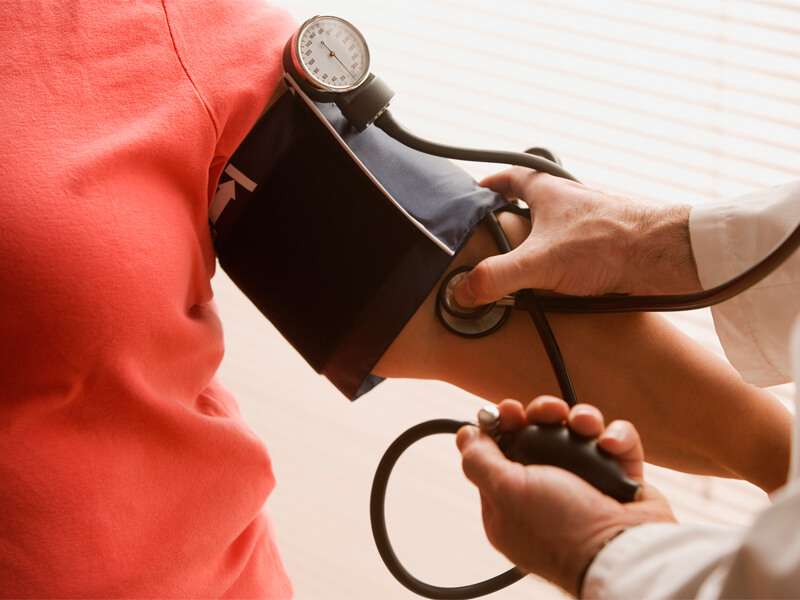
COPD represents a group of progressive lung diseases that make breathing increasingly difficult. Early intervention can improve symptoms and slow down disease progression significantly.
- Main causes & symptoms: Primarily caused by long-term exposure to harmful particles like cigarette smoke; symptoms include chronic cough with mucus production and breathlessness.
- Diagnostic process: Pulmonary function tests such as spirometry measure lung capacity; chest X-rays may assist in assessment.
- Treatment approaches:
TYPE 2 DIABETES MELLITUS CARE

Type 2 diabetes is a metabolic disorder characterized by high blood sugar levels due to insulin resistance or deficiency. Proper care helps reduce risks of severe complications like nerve damage and cardiovascular disease.
- Causes and symptoms: Often linked with obesity and inactivity; common signs include increased thirst, frequent urination, fatigue, and blurred vision.
- Diagnosis: Confirmed through fasting plasma glucose tests, HbA1c measurements, or oral glucose tolerance tests performed in clinical settings.
- Treatment strategies: Focuses on healthy eating plans, physical activity enhancement, weight loss efforts alongside oral hypoglycemic agents or insulin therapy if needed.
- Lifestyle modifications: Emphasizing balanced diet low in simple sugars and carbohydrates combined with regular exercise is vital for glycemic control.
- Long-term outlook: With disciplined management including medication adherence and monitoring blood sugar regularly, patients can prevent many diabetes-related complications.
A comprehensive approach enabling patients to control their blood sugar effectively promotes improved quality of life despite having this chronic illness.
HYPERTENSION MANAGEMENT
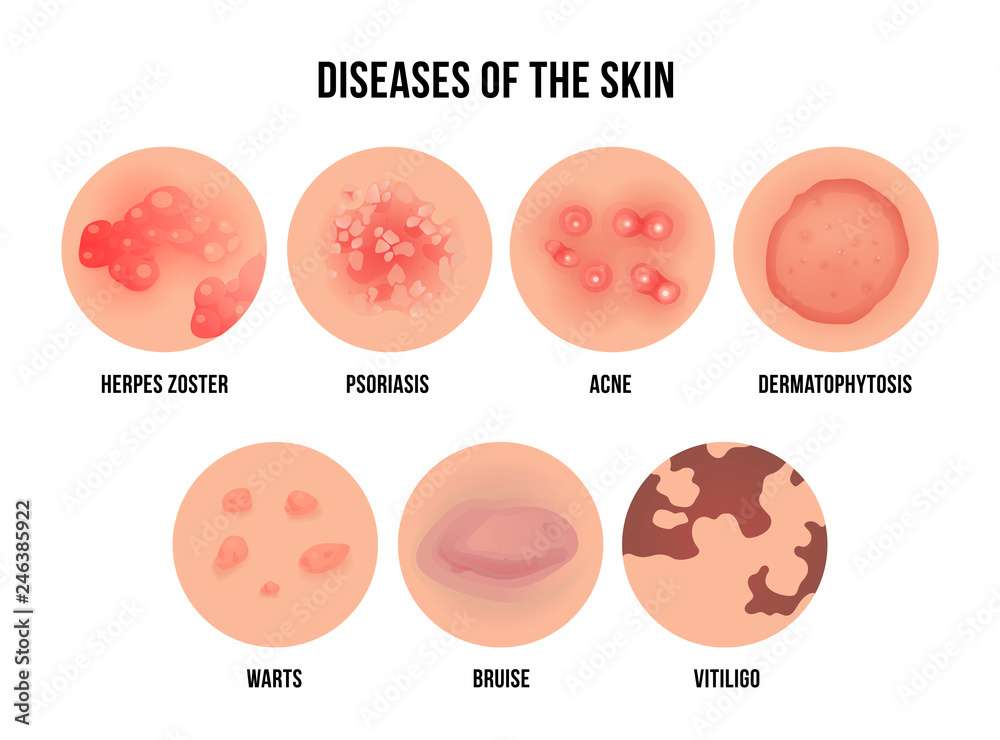
High blood pressure, or hypertension, is a common chronic condition that can lead to serious health problems if left untreated. Understanding and managing hypertension is essential for maintaining cardiovascular health and preventing complications.
- Symptoms and causes: Often called the "silent killer," hypertension may have no clear symptoms but can result from genetic factors, obesity, stress, poor diet, or sedentary lifestyle.
- Diagnosis: Blood pressure readings over multiple visits using a sphygmomanometer help confirm the diagnosis; additional tests may rule out secondary causes.
- Treatment options: Lifestyle changes such as reducing salt intake, regular exercise, weight management, quitting smoking, along with prescribed antihypertensive medications.
- Monitoring: Regular follow-up and blood pressure checks are crucial to ensure effective control and prevent organ damage.
- Expectations: With adherence to treatment plans, most patients achieve good blood pressure control and reduce risks of heart attack or stroke.
Proactive management of hypertension empowers patients to lead healthier lives while minimizing long-term complications through consistent care and lifestyle adjustments.