
Brig Dr A Rajvanshi
About Me
Brig Dr A Rajvanshi
MD
Nephrologist
10 Years Experience
Biography
My Clinic
OPD Hours
| Monday | Morning | 10:00 AM | - | 02:00 PM |
| Evening | 06:00 PM | - | 09:00 PM | |
| Tuesday | Morning | 10:00 AM | - | 02:00 PM |
| Evening | 06:00 PM | - | 09:00 PM | |
| Wednesday | Morning | 10:00 AM | - | 02:00 PM |
| Evening | 06:00 PM | - | 09:00 PM | |
| Thursday | Morning | 10:00 AM | - | 02:00 PM |
| Evening | 06:00 PM | - | 09:00 PM | |
| Friday | Morning | 10:00 AM | - | 02:00 PM |
| Evening | 06:00 PM | - | 09:00 PM | |
| Saturday | Morning | 10:00 AM | - | 02:00 PM |
| Evening | 06:00 PM | - | 09:00 PM | |
| Sunday | Morning | 10:00 AM | - | 02:00 PM |
| Evening | 06:00 PM | - | 09:00 PM |
Treatments
Specialised care and treatments offered
TREATMENT OF GLOMERULONEPHRITIS
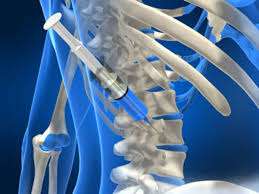
Tackling glomerulonephritis requires understanding its inflammatory nature affecting the filtering units within kidneys. Prompt identification enables targeted intervention to halt ongoing damage effectively.
MANAGEMENT OF HYPERTENSIVE NEPHROPATHY

The management of hypertensive nephropathy focuses on controlling high blood pressure that has damaged the kidneys. This condition requires careful intervention to slow progression toward kidney failure effectively.
RENAL BIOPSY

A renal biopsy is a diagnostic procedure involving obtaining a small tissue sample from the kidney using a needle under imaging guidance. It aids in accurate diagnosis of various kidney diseases beyond standard blood or urine tests.
- Indications/symptoms:Persistent proteinuria, hematuria, unexplained decline in kidney function often prompt biopsy consideration to clarify underlying pathology.
- Diagnostic process:The procedure uses ultrasound or CT scan for precise needle placement minimizing risks during tissue retrieval under local anesthesia or sedation.
- Treatment planning impact:The histopathological findings guide tailored therapy decisions including immunosuppressive regimens or other interventions based on specific disease type identified.
- Safety considerations:CPost-procedure monitoring assesses bleeding complications; patients generally recover quickly without significant pain lasting more than mild local discomfort./
PERITONEAL DIALYSIS

This form of dialysis uses the lining of the abdomen (peritoneum) as a natural filter to remove wastes and excess fluids from the body. It provides an alternative to hemodialysis with greater flexibility for many patients.
- Symptoms/causes: Recommended for patients with end-stage renal disease who prefer or require home-based treatment over hospital visits.
- Diagnosis/assessment: Determination includes evaluating peritoneal membrane function via specific tests prior to starting therapy.
- Treatment method:The dialysis fluid is infused into the abdominal cavity through a catheter where it dwells, absorbing toxins before being drained out periodically throughout the day or night.
- User management: Patients are trained in sterile technique for exchanges at home; regular follow-ups monitor nutrition, volume status, and catheter site integrity.
- What patients experience:The process allows independence but requires commitment; risks include infections like peritonitis which must be promptly addressed.
This modality offers greater lifestyle control while effectively managing chronic renal insufficiency symptoms long term.
KIDNEY TRANSPLANTATION

A kidney transplant involves surgically placing a healthy donor kidney into a patient whose own kidneys have failed. This intervention can significantly extend life expectancy and reduce dependence on dialysis.
- Symptoms/causes: Indicated for chronic kidney disease patients reaching end-stage renal failure who meet criteria for transplant eligibility.
- Diagnosis/preparation: Comprehensive pre-transplant evaluation includes tissue typing, immunological testing, and assessment of overall health to ensure compatibility and readiness.
- Treatment procedure:The operation connects the donated kidney to the recipient’s blood vessels and urinary tract under general anesthesia.
- Postoperative management: Requires lifelong immunosuppressive medications to prevent organ rejection and frequent follow-up visits with laboratory tests.
- Recovery expectations: Most patients resume normal activities within months while monitoring for complications like infection or rejection episodes remains essential.
This surgical approach offers a curative option that restores kidney function more naturally compared to dialysis therapies alone.
HEMODIALYSIS

Hemodialysis is a critical procedure used to support patients with end-stage kidney failure by artificially removing waste products and excess fluid from the blood. This life-sustaining therapy is performed when kidneys can no longer function adequately on their own.
- Symptoms/causes: It is indicated in severe chronic kidney disease where waste accumulates, causing symptoms such as fatigue, swelling, and electrolyte imbalances.
- Diagnosis: Assessment generally involves evaluating glomerular filtration rate (GFR), blood urea nitrogen, and creatinine levels to determine kidney function decline.
- Treatment process: Blood is filtered through a dialysis machine via vascular access such as an arteriovenous fistula, typically performed multiple times weekly.
- Management: Patients require routine monitoring of fluid balance, blood pressure, and nutritional intake alongside dialysis sessions.
- What to expect: Each session lasts approximately 3-4 hours; patients often experience improvement in symptoms but must adapt lifestyle and medications accordingly.
This procedure helps maintain homeostasis and improve quality of life for those with advanced renal failure until transplant or other treatment options become feasible.