
Cardio Surgicare - Dr
About Me
Cardio Surgicare - Dr
MD
Cardiologist
10 Years Experience
Biography
My Clinic
OPD Hours
| Monday | Morning | 10:00 AM | - | 02:00 PM |
| Evening | 06:00 PM | - | 09:00 PM | |
| Tuesday | Morning | 10:00 AM | - | 02:00 PM |
| Evening | 06:00 PM | - | 09:00 PM | |
| Wednesday | Morning | 10:00 AM | - | 02:00 PM |
| Evening | 06:00 PM | - | 09:00 PM | |
| Thursday | Morning | 10:00 AM | - | 02:00 PM |
| Evening | 06:00 PM | - | 09:00 PM | |
| Friday | Morning | 10:00 AM | - | 02:00 PM |
| Evening | 06:00 PM | - | 09:00 PM | |
| Saturday | Morning | 10:00 AM | - | 02:00 PM |
| Evening | 06:00 PM | - | 09:00 PM | |
| Sunday | Morning | 10:00 AM | - | 02:00 PM |
| Evening | 06:00 PM | - | 09:00 PM |
Treatments
Specialised care and treatments offered
PERIPHERAL ARTERY DISEASE (PAD)

This circulatory condition entails narrowed arteries reducing blood flow primarily to limbs. PAD signals widespread atherosclerosis that warrants medical attention early on for better results.
- Signs & Causes: Leg pain while walking (claudication), numbness resulting from arterial blockage most commonly due to smoking or diabetes mellitus;
- Diagnostic Procedures: Ankle-brachial index test provides a comparison of blood pressures aiding diagnosis complemented by Doppler ultrasound imaging;
- Treatment Strategies: Lifestyle modifications including smoking cessation plus antiplatelet drugs support managing symptoms; surgical options like angioplasty reserved for severe cases;
- Prognosis & Follow-up: Early detection improves limb function preservation preventing possible ulcers or gangrene development;
Overall managing PAD includes combating risk factors proactively while ensuring adequate circulation through targeted therapies enhancing patient mobility.
CHOLESTEROL MANAGEMENT
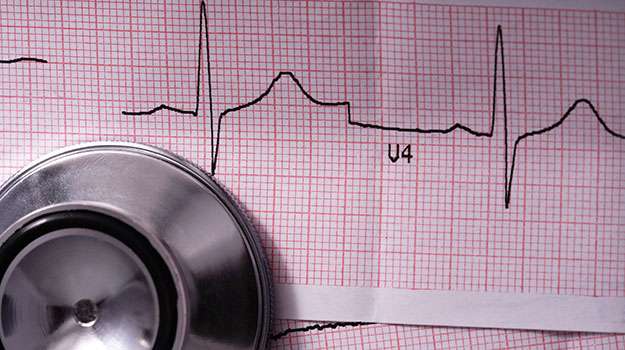
The regulation of cholesterol levels is vital for maintaining cardiovascular health. High cholesterol contributes to arterial plaque formation leading to heart disease over time.
- Causative Factors & Effects:Lifestyle factors such as diet rich in saturated fats affect cholesterol adversely alongside genetic predisposition causing familial hypercholesterolemia;
- Screening Techniques:Blood lipid profiles measure LDL (‘bad’), HDL (‘good’) cholesterol and triglycerides;
- Treatment Approaches: Dietary counseling combined with statins when necessary lowers harmful cholesterol effectively;
- Expected Outcomes: Consistent therapy decreases risks for plaques forming in arteries thereby reducing cardiac events likelihood;
Maintaining optimal cholesterol levels plays a crucial role in preventing chronic cardiovascular disorders through proactive interventions.
ATRIAL FIBRILLATION (AFIB) MANAGEMENT
Atrial fibrillation is an irregular heartbeat that can cause palpitations and increase stroke risk if not managed appropriately. It affects millions worldwide including many adults with cardiac conditions.
- Causes & Symptoms: May result from hypertension or valve diseases; symptoms include fluttering heartbeat or fatigue but some patients remain asymptomatic.
- Diagnostic Measures: Confirmed via ECG showing irregular atrial activity; Holter monitoring for intermittent episodes may be required.
- Treatments Available: Anticoagulants reduce stroke risk; rate-control or rhythm-control medications manage heart rate irregularities;
- Lifestyle & Prognosis: Avoiding triggers like caffeine helps; timely treatment prevents complications effectively.
A tailored treatment plan ensures better quality of life while lowering potentially serious risks linked with AFib.
HEART FAILURE MANAGEMENT
This condition occurs when the heart cannot pump blood effectively enough to meet the body's needs. Symptoms often worsen over time without proper care.
- Symptoms and Causes: Fatigue, swelling in legs, shortness of breath; caused by prior myocardial infarction, hypertension, or cardiomyopathy.
- Diagnostic Tools: Echocardiograms assess heart function; blood tests measure markers like BNP levels indicating strain on the heart.
- Treatment Methods: Medications such as ACE inhibitors, diuretics improve symptoms; lifestyle changes focus on salt restriction and fluid balance.
- Prognosis & Monitoring: Regular follow-ups allow adjustment in therapy; early intervention slows disease progression significantly.
A comprehensive approach enhances daily functioning and reduces hospitalizations associated with heart failure.
CORONARY ARTERY DISEASE (CAD)
Coronary artery disease involves narrowing of the heart's arteries due to plaque buildup, which limits blood flow and oxygen delivery to the heart muscle.
- Symptoms and Causes: Presents with chest pain (angina), shortness of breath; caused by atherosclerosis linked to smoking, diabetes, high cholesterol.
- Diagnosis: Tests include ECG, stress tests, coronary angiography to evaluate artery blockages.
- Treatment Options: Lifestyle changes combined with medications such as statins and antiplatelet agents; severe cases may require angioplasty or bypass surgery.
- What to Expect: Early diagnosis improves outcomes; treatment focuses on symptom relief and preventing heart attacks.
Lifelong management is key in CAD to maintain quality of life and reduce fatal cardiac events.
HYPERTENSION MANAGEMENT
High blood pressure, or hypertension, is a common cardiovascular condition that can lead to serious health complications if not addressed properly. It often develops gradually and may be symptomless initially.
- Symptoms and Causes: Usually asymptomatic, it can be caused by lifestyle factors like poor diet, stress, genetics, and underlying kidney issues.
- Diagnosis: Regular blood pressure monitoring is essential; multiple readings help confirm persistent elevation above 140/90 mmHg.
- Treatment Options: Includes lifestyle modifications such as reduced salt intake, exercise, weight management, and medications like ACE inhibitors or beta-blockers.
- Management Expectations: Ongoing control helps prevent complications like stroke or heart attack; adherence to therapy is crucial for effectiveness.
Effective blood pressure control significantly reduces the risk of cardiovascular events and improves overall wellbeing when managed diligently.