
Dr, Mukund Prasad
About Me
Dr, Mukund Prasad
MBBS
General Physician
10 Years Experience
Biography
My Clinic
OPD Hours
| Monday | Morning | 10:00 AM | - | 02:00 PM |
| Evening | 06:00 PM | - | 09:00 PM | |
| Tuesday | Morning | 10:00 AM | - | 02:00 PM |
| Evening | 06:00 PM | - | 09:00 PM | |
| Wednesday | Morning | 10:00 AM | - | 02:00 PM |
| Evening | 06:00 PM | - | 09:00 PM | |
| Thursday | Morning | 10:00 AM | - | 02:00 PM |
| Evening | 06:00 PM | - | 09:00 PM | |
| Friday | Morning | 10:00 AM | - | 02:00 PM |
| Evening | 06:00 PM | - | 09:00 PM | |
| Saturday | Morning | 10:00 AM | - | 02:00 PM |
| Evening | 06:00 PM | - | 09:00 PM | |
| Sunday | Morning | 10:00 AM | - | 02:00 PM |
| Evening | 06:00 PM | - | 09:00 PM |
Treatments
Specialised care and treatments offered
RESPIRATORY FUNCTION TESTS
Respiratory function tests assess lung performance thereby helping diagnose conditions such as asthma or chronic obstructive pulmonary disease (COPD).
- Symptoms indicative may include persistent coughs wheezing shortness breath fatigue followed by potential respiratory distress depending severity
- Evaluations occur through spirometry which measures airflow rate providing critical diagnostics about lung capabilities
- Treatment approaches could encompass bronchodilators inhaled corticosteroids combined support therapies tailored patient needs promoting gradual improvements respiratory efficiency
- Periodic reassessments ensure ongoing responsiveness toward treatment allowing optimal lung capacity maintenance safeguarding long-term wellness
With appropriate attention we foster healthier breathing patterns benefiting everyday tasks accomplishing desired activities effortlessly moving forth
ANEMIA EVALUATION

Anemia occurs when there aren't enough healthy red blood cells to carry adequate oxygen throughout the body. Understanding its causes is key for effective treatment
- Symptoms may manifest as fatigue, pallor, shortness of breath during exertion, or dizziness depending on severity
- A complete blood count (CBC) test provides insights into hemoglobin levels aiding diagnosis alongside additional testing for underlying causes
- Treatment plans often combine dietary modifications rich in iron sources like leafy greens alongside supplements if required
- Continued evaluation ensures effective management over time enabling patients' overall well-being
Prompt diagnosis results in timely interventions ensuring minimal impact on quality of life moving forward
THYROID FUNCTION TESTS

The thyroid gland plays a vital role in regulating metabolism through hormone production. Testing its function can provide insight into various bodily processes.
- Common disorders linked to thyroid dysfunction include hypothyroidism and hyperthyroidism; symptoms vary accordingly from weight gain to unexplained weight loss and energy fluctuations.
- Your physician typically measures thyroid-stimulating hormone (TSH) alongside T3 and T4 hormone levels during evaluation sessions for accurate diagnosis
- Treatment options depend on individual conditions: hypothyroidism often receives synthetic hormones while hyperthyroidism may necessitate antithyroid medications or radioactive iodine therapy
- Ongoing monitoring ensures the effectiveness of treatment plans to keep hormone levels balanced for optimal health outcomes
A better understanding of your thyroid function helps maintain metabolic equilibrium throughout daily activities。
LIPID PROFILE ASSESSMENT
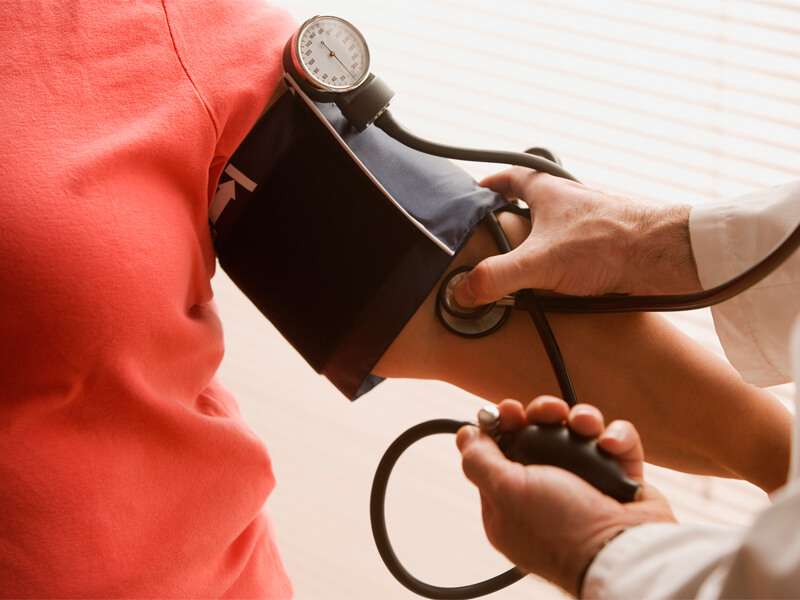
A lipid profile assessment evaluates cholesterol levels in the body. It's essential in assessing cardiovascular health and overall well-being.
- This test measures different types of fats in your blood, including LDL (bad cholesterol), HDL (good cholesterol), and triglycerides.
- High levels of LDL cholesterol can lead to heart disease; therefore, identifying these levels is crucial during annual health checks.
- Treatment may involve lifestyle changes such as diet adjustments rich in omega-3 fatty acids and regular exercise along with statin medications if necessary.
- A follow-up schedule helps monitor progress and effectiveness of implemented strategies regularly over time.
- A proactive approach towards managing lipid levels significantly reduces cardiovascular risks later in life.
By understanding your lipid profile better, you can take informed steps towards improving your heart health significantly.
DIABETES SCREENING

Diabetes is a chronic condition that arises when the body cannot effectively use insulin. Early detection is pivotal for preventing complications.
- Symptoms may include increased thirst, frequent urination, fatigue, and blurred vision.
- Screening usually involves fasting blood sugar tests or an HbA1c test to gauge long-term glucose levels in the blood.
- If diagnosed with diabetes, management strategies might include dietary changes, regular physical activity, and medication such as insulin or oral hypoglycemics.
- Monitoring your blood sugar levels regularly will help in adjusting treatments for optimal control.
- Support from healthcare providers ensures patients have access to resources for managing their condition effectively.
Through early intervention and ongoing care, many individuals successfully manage their diabetes without significant disruptions to their daily lives.
HYPERTENSION MANAGEMENT

Hypertension, or high blood pressure, is a common and serious condition that can lead to various health issues if left untreated. It affects millions of individuals worldwide.
- Common symptoms include headaches, shortness of breath, or nosebleeds, although many people may not experience any noticeable symptoms at all.
- Diagnosis typically involves measuring blood pressure using a sphygmomanometer during routine check-ups or specific assessments.
- Treatment often includes lifestyle modifications such as diet and exercise along with medications like diuretics or ACE inhibitors.
- Regular monitoring is crucial, as adjustments to treatment may be necessary based on individual responses.
- A comprehensive approach can help manage and reduce the risk of complications such as heart disease or stroke.
With proper management, individuals with hypertension can lead healthy lives while minimizing potential health risks.