
Dr B S Sethi
About Me
Dr B S Sethi
MD
Neurologist
10 Years Experience
Biography
My Clinic
OPD Hours
| Monday | Morning | 10:00 AM | - | 02:00 PM |
| Evening | 06:00 PM | - | 09:00 PM | |
| Tuesday | Morning | 10:00 AM | - | 02:00 PM |
| Evening | 06:00 PM | - | 09:00 PM | |
| Wednesday | Morning | 10:00 AM | - | 02:00 PM |
| Evening | 06:00 PM | - | 09:00 PM | |
| Thursday | Morning | 10:00 AM | - | 02:00 PM |
| Evening | 06:00 PM | - | 09:00 PM | |
| Friday | Morning | 10:00 AM | - | 02:00 PM |
| Evening | 06:00 PM | - | 09:00 PM | |
| Saturday | Morning | 10:00 AM | - | 02:00 PM |
| Evening | 06:00 PM | - | 09:00 PM | |
| Sunday | Morning | 10:00 AM | - | 02:00 PM |
| Evening | 06:00 PM | - | 09:00 PM |
Treatments
Specialised care and treatments offered
MICROSURGICAL RESECTION OF BRAIN TUMORS
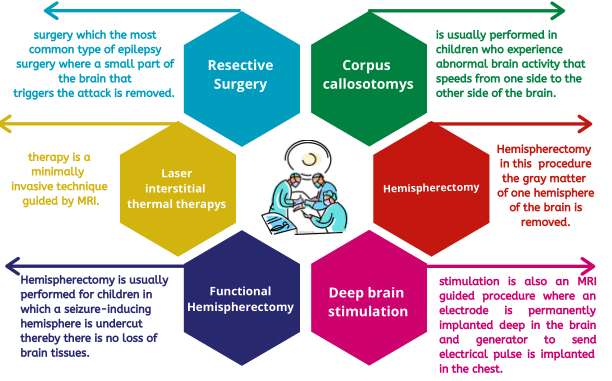
This precise surgical method removes brain tumors while aiming to preserve surrounding healthy tissue. It combines magnification tools with advanced imaging techniques during operation.
- Tumor types addressed: Both benign and malignant intracranial masses such as gliomas, meningiomas, and acoustic neuromas can be treated effectively through microsurgery depending on location and size.
- Surgical planning: Preoperative MRI/CT scans guide surgeons regarding tumor boundaries for optimal approach selection minimizing risks to vital areas responsible for cognition or motor function.
SPINAL CORD STIMULATOR IMPLANTATION
A Spinal Cord Stimulator (SCS) implantation is a neurosurgical procedure designed to manage chronic neuropathic pain by interrupting pain signaling pathways in the spinal cord using electrical pulses.
- Pain conditions treated: Includes failed back surgery syndrome, complex regional pain syndrome, and other neuropathic pain syndromes resistant to conventional treatments.
- Differential diagnosis: Careful evaluation including clinical history and imaging rules out other causes of pain before proceeding with SCS consideration.
- The implantation process: Leads are placed epidurally near spinal nerves connected to an implantable pulse generator typically positioned under the skin on the torso or buttocks area.
- Titration of therapy: Patients adjust stimulation levels via remote controls under clinician guidance based on response and comfort levels.
VAGUS NERVE STIMULATION (VNS)

The Vagus Nerve Stimulation therapy involves implanting a device that delivers electrical impulses to the vagus nerve. It is commonly used for epilepsy and treatment-resistant depression.
- Syndrome characteristics: Patients who continue experiencing seizures despite medications or have chronic mood disorders may be candidates for VNS therapy.
- Evaluation methods: Neurological assessments combined with EEGs confirm persistent epileptic activity or refractory depression diagnosis prior to treatment recommendation.
- Treatment mechanism: An implanted pulse generator modulates nerve signals influencing brain function related to seizures or mood regulation.
- Efficacy monitoring: Regular follow-ups ensure device settings are optimized for individual benefit while minimizing side effects like voice changes or cough.
This innovative neuromodulation technique provides an alternative when traditional therapies fail, improving seizure control or depressive symptoms over time with continued management.
CAROTID ENDARTERECTOMY
This surgical intervention aims at preventing stroke by removing plaque buildup in the carotid artery. It restores healthy blood flow to the brain.
- Symptoms and causes: Used primarily for patients with carotid artery stenosis causing transient ischemic attacks or stroke risk due to arterial narrowing from atherosclerosis.
- Diagnostic tools: Doppler ultrasound, CT angiography or MRI angiography help visualize arterial blockages requiring surgery.
- Surgical approach: The surgeon makes an incision in the neck to access and clear the obstructed artery segment.
- Treatment outcomes: Effective in reducing future stroke risk with proper patient selection.
- Postoperative care: Monitoring for neurological changes and managing vascular risk factors is essential.
This procedure is critical for patients with severe carotid narrowing and helps maintain cerebral circulation integrity when medical therapy alone is insufficient.
DEEP BRAIN STIMULATION (DBS)
Deep Brain Stimulation is a surgical procedure used to treat neurological disorders that affect movement. It involves implanting electrodes in specific areas of the brain to regulate abnormal impulses.
- Symptoms and causes: Often used for Parkinson's disease, essential tremor, and dystonia characterized by tremors, rigidity, or involuntary movements caused by dysfunction in brain circuits.
- Diagnosis: Extensive neurological evaluation including imaging and symptom assessment to determine suitability for DBS.
- Treatment process: Electrodes are surgically implanted and connected to a pulse generator placed under the skin, which sends electrical impulses to targeted brain regions.
- Management: Post-surgery programming adjusts stimulation parameters to optimize symptom control.
- Expectations: Many patients experience significant improvement in motor symptoms with ongoing follow-up care required.
This technique offers hope for those with movement disorders not adequately controlled by medication, improving quality of life through precise brain modulation.