
Dr Heena Trehan
About Me
Dr Heena Trehan
MBBS
General Physician
17 Years Experience
Biography
My Clinic
OPD Hours
| Monday | Morning | 09:39 PM | ||
| Evening | 09:00 PM | |||
| Tuesday | Morning | 09:00 AM | ||
| Evening | 09:00 PM | |||
| Wednesday | Morning | 09:00 AM | ||
| Evening | 09:40 PM |
Treatments
Specialised care and treatments offered
URINARY TRACT INFECTIONS (UTIS)
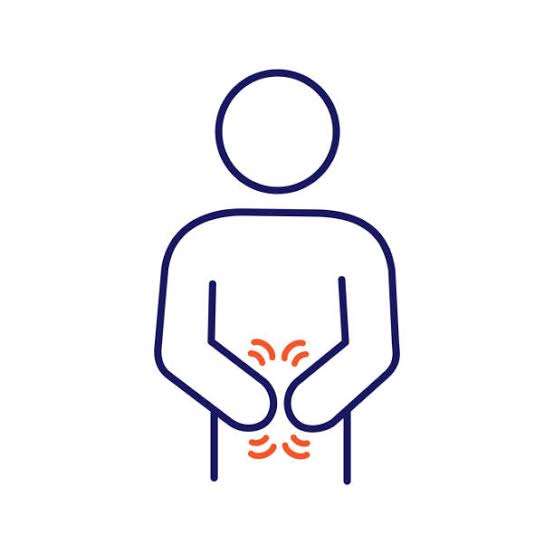
A urinary tract infection occurs when bacteria enter the urinary system causing inflammation. Prompt recognition enables timely treatment which prevents further complications commonly associated with untreated UTIs.
- Symptoms: Painful urination along with increased urgency/frequency characterizes most UTIs accompanied sometimes by lower abdominal discomfort.
- Diagnosis: Urinalysis followed by culture tests assist significantly in confirming diagnosis by identifying bacterial presence leading experts toward precise antibiotic selection; imaging studies might be considered if recurrent cases arise.
- Treatment: Antibiotics form first-line therapies provided alongside fluids promoting hydration helping flush out bacteria from urinary systems efficiently; preventive strategies post-recovery remain essential against future episodes occurring frequently thereafter.
The proper course ensures minimum disruption in daily activities while rapidly restoring comfort throughout recovery periods associated particularly relating instances arising therein
ACUTE RESPIRATORY INFECTIONS

This term encompasses various infections affecting the upper respiratory tract including colds and flu. These infections can spread easily but understanding prevention methods is key in managing them effectively.
- Symptoms: Sore throat, cough, nasal congestion, sneezing, fever often accompany respiratory infections.
- Diagnosis: A clinical evaluation usually suffices; additional tests like throat swabs may be needed depending on severity.
- Treatment: Resting adequately while staying hydrated coupled with symptomatic treatments like pain relievers provides relief; antiviral medications may be necessary in severe cases like influenza.
- What to Expect: Generally resolves within a week; however comprehensive care from your physician assists in guiding recovery smoothly while monitoring potential complications.
Proper management reduces duration concerning acute respiratory infections which enhances overall well-being significantly.
GASTROESOPHAGEAL REFLUX DISEASE (GERD)

This chronic digestive condition occurs when stomach acid frequently flows back into the esophagus. Knowing its symptoms can aid in early diagnosis and intervention.
- Symptoms: Common signs include heartburn, regurgitation of bitter acid into the throat, difficulty swallowing, or persistent cough can suggest GERD’s presence.
- Diagnosis: Diagnosis typically involves a review of symptoms alongside potentially upper endoscopy or pH monitoring studies to assess acid reflux severity.
- Treatment: Lifestyle modifications such as dietary adjustments along with over-the-counter antacids or prescribed medications like proton pump inhibitors help manage GERD effectively.
Catching GERD early allows for lifestyle adjustments that can greatly alleviate discomfort associated with this condition over time.
ASTHMA
Asthma is a chronic respiratory disease that causes inflammation and narrowing of the airways. Understanding triggers and developing an action plan is crucial for effective management.
- Symptoms: Wheezing, coughing (especially at night), chest tightness, and difficulty breathing signify an asthma attack or poorly controlled asthma.
- Diagnosis: A detailed medical history combined with lung function tests helps determine the severity of asthma and identify triggers through specific testing procedures.
- Treatment: Asthma can be managed with inhalers (both rescue inhalers for immediate relief and long-term control medications) alongside avoiding known allergens or irritants.
- What to Expect: Regular follow-ups are important; patients should monitor their symptoms closely for any signs that indicate treatment adjustment is necessary.
A thorough understanding of asthma leads to better symptom management for those affected by this condition.
DIABETES MELLITUS
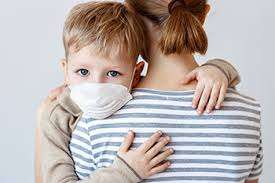
This chronic condition affects how the body processes glucose (sugar). Diabetes can lead to various health complications if not managed properly. Recognizing symptoms early can lead to effective treatment strategies.
- Symptoms: Increased thirst, frequent urination, fatigue, blurred vision, and slow healing wounds are common indicators.
- Diagnosis: Blood tests measuring glucose levels are utilized to confirm diabetes; fasting blood sugar tests and HbA1c tests are standard methods.
- Treatment: Management includes dietary changes, physical activity, self-monitoring of blood glucose levels, and potentially insulin therapy depending on the type of diabetes.
- What to Expect: Patients will often require ongoing education about lifestyle modifications to maintain optimal blood sugar levels.
If caught early and managed well, individuals with diabetes can lead healthy lives while minimizing risks of complications.
HYPERTENSION
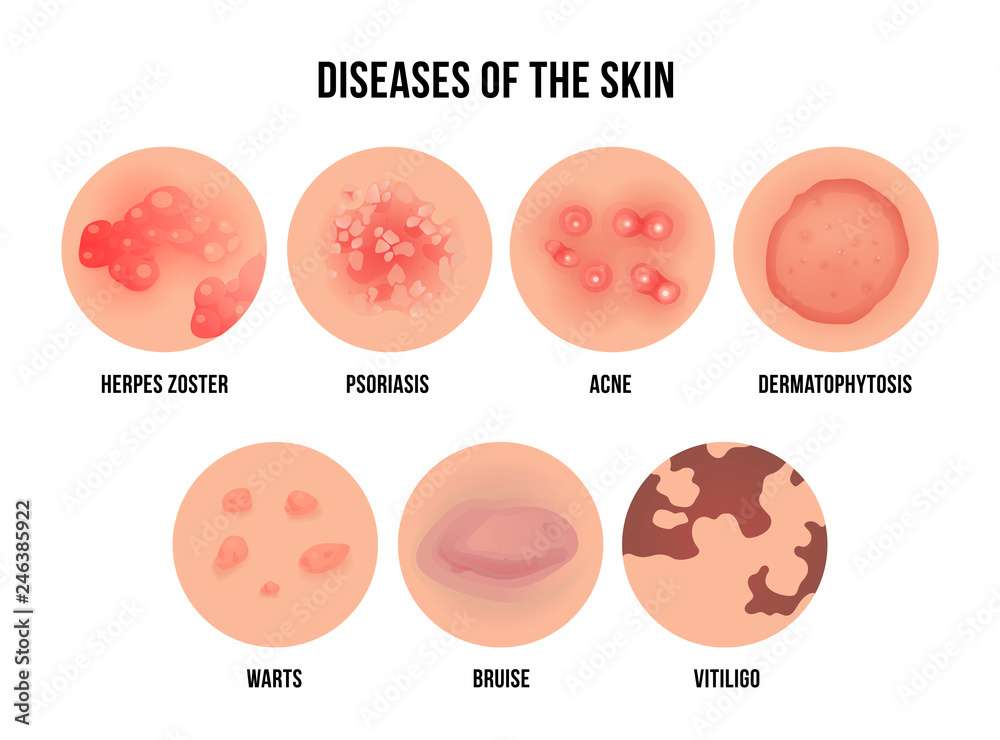
Hypertension, commonly known as high blood pressure, is a condition that often has no symptoms but can lead to serious health issues if left untreated. It is essential to monitor blood pressure regularly and seek medical attention if readings are consistently elevated.
- Symptoms: Often asymptomatic; headaches, shortness of breath, or nosebleeds may occur in severe cases.
- Diagnosis: Blood pressure measurement during routine check-ups and at home; a reading of 130/80 mm Hg or higher is considered hypertension.
- Treatment: Lifestyle changes such as a balanced diet and regular exercise; medications like diuretics or ACE inhibitors may be prescribed for management.
- What to Expect: Regular follow-ups and monitoring are crucial. Patients may need adjustments in medication based on their responses.
Understanding and managing hypertension is vital for preventing complications like heart disease and stroke.