
DR A K Gupta
About Me
DR A K Gupta
MD
Pulmonologist
10 Years Experience
Biography
My Clinic
OPD Hours
| Monday | Morning | 10:00 AM | - | 02:00 PM |
| Evening | 06:00 PM | - | 09:00 PM | |
| Tuesday | Morning | 10:00 AM | - | 02:00 PM |
| Evening | 06:00 PM | - | 09:00 PM | |
| Wednesday | Morning | 10:00 AM | - | 02:00 PM |
| Evening | 06:00 PM | - | 09:00 PM | |
| Thursday | Morning | 10:00 AM | - | 02:00 PM |
| Evening | 06:00 PM | - | 09:00 PM | |
| Friday | Morning | 10:00 AM | - | 02:00 PM |
| Evening | 06:00 PM | - | 09:00 PM | |
| Saturday | Morning | 10:00 AM | - | 02:00 PM |
| Evening | 06:00 PM | - | 09:00 PM | |
| Sunday | Morning | 10:00 AM | - | 02:00 PM |
| Evening | 06:00 PM | - | 09:00 PM |
Treatments
Specialised care and treatments offered
INTERVENTIONAL PULMONOLOGY PROCEDURES
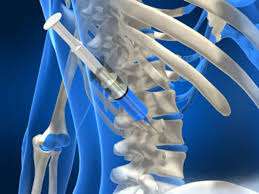
Interventional pulmonology encompasses various advanced techniques specializing in minimally invasive procedures within respiratory medicine. These strategies address intricate lung conditions effectively while reducing recovery time compared to traditional surgery methods.
- Symptoms : Patients seeking these interventions may present chronic coughs persistent infections masses seen on previous screening exams necessitating closer outcomes assessment requiring interventions beyond standard therapies available first-line care pathways .
- Diagnosis : During consultations thorough evaluations typically involving imaging testing pulmonary functions assessments guide recommendations against potential have non-invasive monitoring options available prior consideration intervention assessment plan designed specifically tailored cases presented individually .
- Treatment / Management : Treatments performed could range from bronchoscopy-directed biopsies tumor ablations placement stents defined particular targeted treatments matching individual’s needs discovered thus far .
- What To Expect : Most interventional approaches require only sedation local anesthetics facilitating less invasive nature assisting quicker healing allowing return daily activities following discharge enhanced functionality regained sooner ). Thereafter continuity care ensuring efficacy reach encompass follow check appointments .
The incorporation interventional methodologies signifies advancement modern practices towards achieving optimal patient outcomes specific pulmonary concerns faced affecting broader populations today maintaining wellness across lifetimes through proactive attentiveness managed expertly professional environments operated within skilled hands proficiently delivering consummate healthcare solutions addressing ever-evolving challenges shaped accordingly times ahead too !
CHEST TUBE INSERTION
This surgical procedure involves placing a tube between the ribs into the pleural space. It's primarily used to remove air (in pneumothorax) or fluid from around the lungs to restore proper function and facilitate breathing.
- Symptoms: Indications include sudden onset shortness of breath and sharp chest pain typically associated with pneumothorax or significant pleural effusion.
- Diagnosis : A physical exam followed by imaging studies helps confirm whether a chest tube insertion is necessary based on fluid levels or air accumulation detected in scans.
- Treatment / Management : The inserted tube allows continuous drainage until normal function is restored; it may remain for several days based on clinical needs.
- What to Expect : While some discomfort is experienced during insertion under local anesthesia/sedation generally leads patients toward improved respiration post-procedure within hours.
The use of chest tubes represents an effective emergency approach aimed at stabilizing patients quickly when respiratory events occur unexpectedly.
PLEURAL EFFUSION DRAINAGE

Pleural effusion drainage is a critical intervention used when excess fluid accumulates in the pleural space surrounding the lungs. This condition can cause severe breathing difficulties if not addressed promptly.
- Symptoms: Patients might notice increased shortness of breath and chest pain that worsens when lying down.
- Diagnosis: Typically confirmed via chest ultrasound or CT scan which indicates fluid presence.
- Treatment/Management: Fluid can be drained using a needle (thoracentesis) or via more invasive methods if larger volumes are present or complications arise.
- What to Expect: The procedure offers immediate symptom relief; however, underlying causes need identification for long-term management.
Pleural effusion drainage plays a vital role in both alleviating discomfort and diagnosing potential serious conditions affecting lung health.
NEBULIZER THERAPY

Nebulizer therapy delivers medication directly into the lungs through fine mist inhalation. Particularly beneficial for patients with chronic respiratory conditions such as asthma or COPD, this treatment facilitates easier breathing.
- Symptoms: Indications for use include wheezing, chest tightness, and difficulty breathing.
- Diagnosis: Typically prescribed after assessing lung function through spirometry tests or peak flow measurements.
- Treatment/Management: This therapy often includes bronchodilators or steroids to reduce inflammation and open airways.
- What to Expect: Sessions usually last 10-15 minutes; patients should feel relief shortly after inhalation begins.
Nebulizer therapy can significantly improve quality of life for individuals with chronic lung disorders.
LUNG BIOPSY

A lung biopsy involves the removal of a small piece of lung tissue for examination. This diagnostic tool is crucial for identifying lung diseases, including infections, inflammation, and cancer.
- Symptoms: Common symptoms prompting a biopsy include persistent cough, unexplained weight loss, or recurring pneumonia.
- Diagnosis: The biopsy can be guided by imaging techniques like CT scans to ensure accuracy.
- Treatment/Management: Depending on findings, treatment options may range from medication management to surgical interventions or chemotherapy.
- What to Expect: The procedure is usually performed outpatient with local anesthesia; recovery times vary based on method used (e.g., needle versus surgical biopsy).
Lung biopsies play an integral role in tailoring patient treatment plans effectively.
BRONCHOSCOPY

Bronchoscopy is a minimally invasive procedure that allows doctors to examine the airways and lungs. Utilizing a thin, flexible tube equipped with a camera, this procedure provides detailed images of the bronchial tubes and can assist in diagnosing various lung conditions.
- Symptoms: Patients may experience persistent cough, unexplained shortness of breath, or abnormal chest X-ray results.
- Diagnosis: The procedure helps in obtaining tissue samples for biopsy and is often used when imaging tests are inconclusive.
- Treatment/Management: Beyond diagnosis, bronchoscopy can also involve removing blockages, such as mucus plugs or foreign bodies.
- What to Expect: Patients are typically sedated during the procedure and may experience minor discomfort; however, recovery is usually quick.
This technique has become essential in managing respiratory issues effectively.