
Dr Abbas Sajun
About Me
Dr Abbas Sajun
General Physician
Biography
My Clinic
OPD Hours
| Tuesday | Morning | 10:00 AM | - | 02:00 PM |
| Evening | 06:00 PM | - | 09:00 PM | |
| Wednesday | Morning | 10:00 AM | - | 02:00 PM |
| Evening | 06:00 PM | - | 09:00 PM | |
| Thursday | Morning | 10:00 AM | - | 02:00 PM |
| Evening | 06:00 PM | - | 09:00 PM | |
| Friday | Morning | 10:00 AM | - | 02:00 PM |
| Evening | 06:00 PM | - | 09:00 PM | |
| Saturday | Morning | 10:00 AM | - | 02:00 PM |
| Evening | 06:00 PM | - | 09:00 PM | |
| Sunday | Morning | 10:00 AM | - | 02:00 PM |
| Evening | 06:00 PM | - | 09:00 PM | |
| Thursday | Morning | 10:00 AM | - | 02:00 PM |
| Evening | 06:00 PM | - | 09:00 PM |
Treatments
Specialised care and treatments offered
GASTROESOPHAGEAL REFLUX DISEASE (GERD) MANAGEMENT
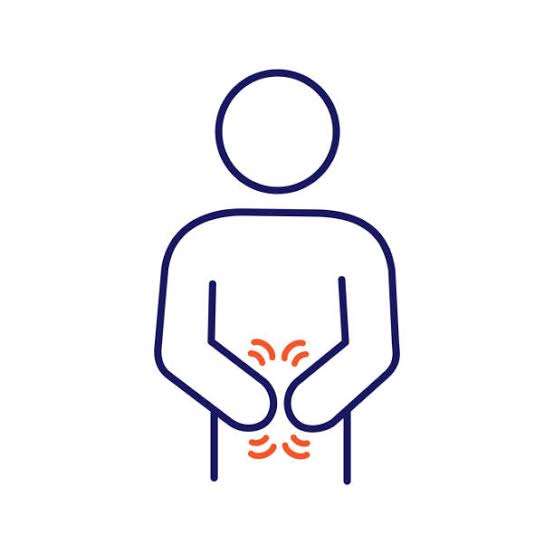
Gastroesophageal Reflux Disease (GERD) is characterized by frequent acid reflux resulting in discomfort such as heartburn. Understanding this condition empowers patients towards effective management strategies tailored for relief and prevention from complications long-term.
- Symptoms include regurgitation of food or sour liquid along with chronic cough or sore throat due to acid irritations impacting esophagus areas.
- Diagnosis typically starts with patient-reported symptom details followed sometimes by upper endoscopies if severe conditions exist verifying esophageal damage assessments.
- Lifestyle modifications remain foundational comprising aspects like weight loss coupled alongside diet alterations avoiding spicy greasy foods; medications—antacids/H2 blockers/PPIs—can also provide symptom relief against excessive stomach acids present causing distressful situations during meals/afterward periods .
- Patients are encouraged regularly checking back for follow-ups ensuring minimal side effects develop whilst confirming proper healing progress made over time through adherence following prescribed regimens advised upon consults .
Effective GERD management encourages better nutritional intake habits leading ultimately towards improved general wellbeing state focused holistic perspectives underpinning importance surrounding maintaining digestive functionality vitally positioned within body systems overall .
ALLERGY TESTING

Allergy testing is pivotal for diagnosing allergies that may be affecting your quality of life. Identifying specific allergens provides clarity for managing allergic reactions effectively.
- Common allergy symptoms might include sneezing, itching, rashes, or gastrointestinal distress depending on the allergen involved.
- The diagnostic process often includes skin prick tests or specific IgE blood tests which reveal sensitivities to various substances like pollen or food items.
- Treatment strategies revolve around avoiding known allergens whenever possible along with antihistamines or corticosteroids to alleviate symptoms when exposure occurs.
- An allergy action plan tailored by your physician enhances preparedness against unexpected allergic episodes by informing you about managing reactions appropriately when they arise.
A personalized approach to allergy management enables individuals to enjoy daily activities without undue concern over allergic responses.
PREVENTIVE HEALTH SCREENINGS

Preventive health screenings play a critical role in identifying potential health issues before they become severe. Regular evaluations are essential components of maintaining well-being across various age groups.
- Common screenings include cholesterol levels, cancer assessments (like mammograms), and immunizations based on age and medical history.
- Your doctor will recommend appropriate screening tests, ensuring individualized care based on risk factors such as family history or lifestyle choices.
- An important aspect of these screenings is educating patients about expected outcomes and what results indicate regarding their health status.
- Taking part in preventive care helps mitigate future risks by addressing health concerns early through either lifestyle changes or medical interventions as necessary.
Pursuing regular preventive screenings fosters a proactive approach towards personal health maintenance throughout life stages.
ASTHMA MANAGEMENT
Asthma is a chronic respiratory condition that can significantly impact daily activities if not managed properly. Recognizing its symptoms early can lead to better control over the disease.
- Coughing, wheezing, chest tightness, and difficulty breathing are typical symptoms experienced by asthma patients during attacks.
- A healthcare provider typically conducts lung function tests and evaluates medical history to diagnose asthma accurately.
- Treatment strategies may include inhalers for immediate relief during an attack and long-term medications to prevent flare-ups through inflammation control.
- A personalized asthma action plan allows patients to react promptly during an exacerbation while understanding triggers like allergens or stressors.
With effective asthma management strategies in place, individuals can live healthy lives with reduced limitations on their activities.
DIABETES SCREENING

Screening for diabetes is a crucial step in identifying this prevalent condition early on. Early detection allows for timely intervention that can significantly enhance health outcomes.
- Main risk factors include obesity, sedentary lifestyle, and family history of diabetes.
- A glucose test is often performed during routine check-ups to measure blood sugar levels; abnormal results may require further testing.
- If diagnosed with diabetes, treatment usually involves dietary adjustments, increased physical activity, and potentially insulin therapy or other medications.
- Consistent monitoring of blood sugar levels is vital in preventing complications associated with uncontrolled diabetes.
Engaging in regular screenings can empower individuals to take charge of their health by addressing diabetes effectively before it escalates.
HYPERTENSION MANAGEMENT
Hypertension, or high blood pressure, is a common condition that can lead to serious health complications if left untreated. Understanding how to manage this condition is essential for maintaining overall health.
- Symptoms may include headaches, shortness of breath, and nosebleeds, though many individuals experience no symptoms at all.
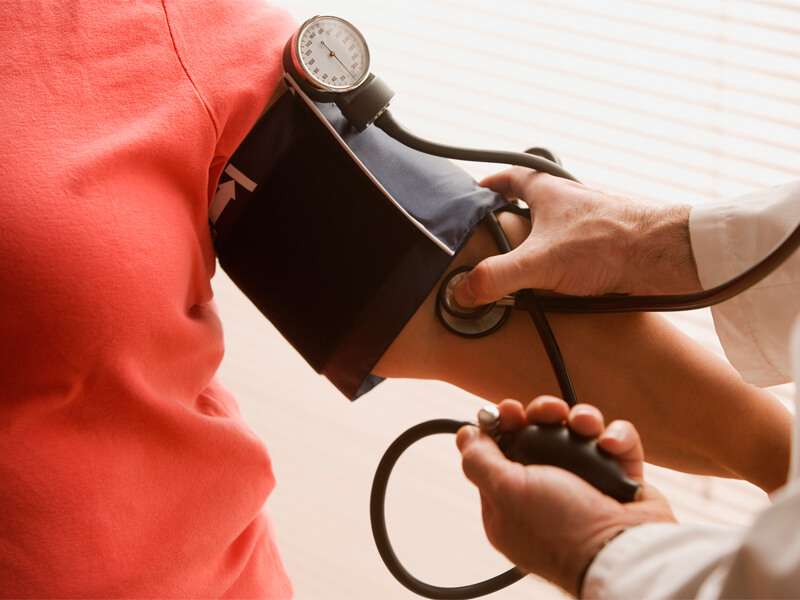
- The diagnosis typically involves measuring blood pressure using a sphygmomanometer during multiple visits to confirm consistent elevated readings.
- Treatment options often include lifestyle modifications such as proper diet, exercise, and medication when necessary to help control blood pressure levels.
- Regular monitoring is important; patients should schedule follow-ups for blood pressure checks and adjust treatments as needed.
- With effective management, individuals can reduce the risk of complications such as heart disease or stroke.
Taking proactive steps in managing hypertension can lead to better health outcomes and improved quality of life.