
Dr Abbas Syed Mu
About Me
Dr Abbas Syed Mu
MBBS
General Physician
10 Years Experience
Biography
My Clinic
OPD Hours
| Monday | Morning | 10:00 AM | - | 02:00 PM |
| Evening | 06:00 PM | - | 09:00 PM | |
| Tuesday | Morning | 10:00 AM | - | 02:00 PM |
| Evening | 06:00 PM | - | 09:00 PM | |
| Wednesday | Morning | 10:00 AM | - | 02:00 PM |
| Evening | 06:00 PM | - | 09:00 PM | |
| Thursday | Morning | 10:00 AM | - | 02:00 PM |
| Evening | 06:00 PM | - | 09:00 PM | |
| Friday | Morning | 10:00 AM | - | 02:00 PM |
| Evening | 06:00 PM | - | 09:00 PM | |
| Saturday | Morning | 10:00 AM | - | 02:00 PM |
| Evening | 06:00 PM | - | 09:00 PM | |
| Sunday | Morning | 10:00 AM | - | 02:00 PM |
| Evening | 06:00 PM | - | 09:00 PM |
Treatments
Specialised care and treatments offered
BODY MASS INDEX (BMI) ASSESSMENT & COUNSELING
BMI calculation serves as an accessible screening tool to categorize weight status relative to height. Maintaining a healthy BMI is foundational for preventing numerous chronic illnesses linked to overweight or underweight conditions.
- BMI is computed by dividing weight in kilograms by height in meters squared; ranges indicate underweight , normal weight , overweight , or obesity classifications .
- Elevated BMI often correlates with increased risk for hypertension , type 2 diabetes , cardiovascular diseases ,and certain cancers requiring focused attention .
- Personalized counseling involves nutritional guidance targeting caloric balance together with encouragement towards consistent exercise routines suited individual needs .
- Behavioral interventions addressing eating patterns , psychological factors contributing excess weight help sustain healthy lifestyle changes long term .
Regular BMI evaluations paired with tailored advice empower patients toward improved wellbeing through informed decisions about their body composition management .
CHOLESTEROL MONITORING

Lipid level assessment is critical in evaluating cardiovascular disease risk. Keeping cholesterol within recommended ranges plays a major role in heart health maintenance across all ages.
- The main focus lies on measuring LDL (bad cholesterol), HDL (good cholesterol), total cholesterol, and triglycerides through fasting blood tests.
- An abnormal lipid profile necessitates dietary changes such as reducing saturated fats along with increased physical activity efforts to improve numbers naturally over time.
- If lifestyle adjustments alone do not suffice to reduce elevated LDL levels adequately according to guidelines; pharmacological therapy like statins might become necessary under medical supervision .
- Regular follow-ups are essential ensuring sustained control while minimizing side effects from treatments if used .
- Proactively monitoring lipids supports reduction in incidents like heart attacks , strokes ,and other arterial diseases .
Awareness combined with appropriate action on cholesterol levels effectively prevents future cardiovascular complications .
RESPIRATORY INFECTION TREATMENT

Sores throat,coughs,and congestion often mark respiratory infections that affect many individuals each year. Recognizing their features helps guide appropriate care aimed at symptom relief and recovery support.
- Causative agents: Viruses like influenza or bacteria such as streptococcus commonly cause these infections affecting upper airways.
- Symptoms monitored include: sore throat, runny nose,mild fever,cough,and fatigue among others which usually resolve within days with correct treatment approach
- Diagnosis : Physical exam alongside throat swabs or chest X-rays may assist differentiate viral from bacterial etiology .
- Management : Rest ,hydration ,analgesics ,and sometimes antibiotics when bacterial infection confirmed .
- Prevention : Good hygiene practices including hand washing reduce spread .
Most respiratory infections are self limited but timely care alleviates discomfort facilitating faster healing .
ANNUAL PHYSICAL EXAMINATION
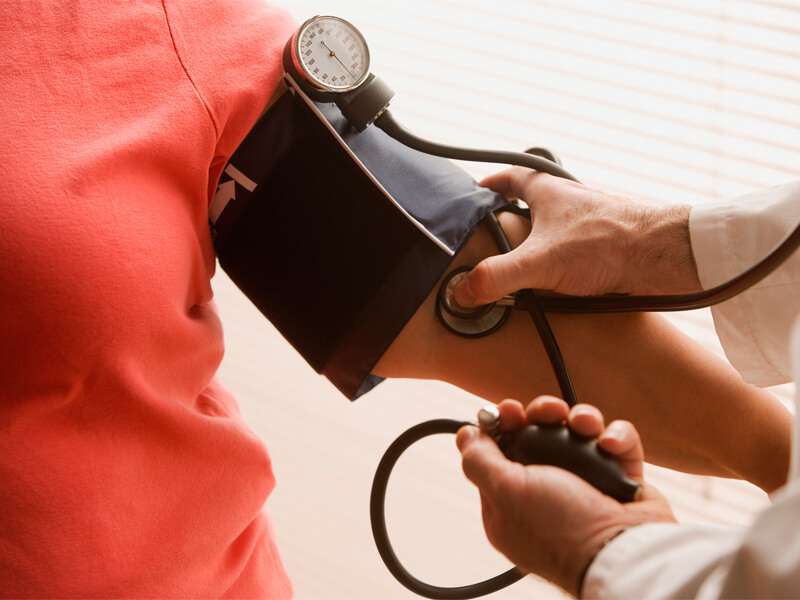
A yearly checkup provides a comprehensive evaluation of overall health status. It is an important tool for early detection of potential medical problems before symptoms appear.
- Components: Includes vital signs measurement, physical examination, review of medical history, and lifestyle assessment.
- Laboratory tests: Blood panels checking cholesterol, glucose levels, kidney function, among others may be recommended based on age and risk profile.
- Preventive advice: Immunizations updates and counseling on diet, exercise or cessation of smoking are integral parts of the visit.
- Screens for chronic diseases: Conditions such as hypertension or diabetes can be identified during these visits for prompt management.
This examination acts as a foundation for personalized healthcare strategies promoting long-term wellness.
DIABETES SCREENING AND PREVENTION

Detecting diabetes early allows for intervention that can delay or prevent the onset of complications. Screening tests play a pivotal role in identifying at-risk individuals.
- Risk factors: Family history, obesity, sedentary lifestyle, and age increase chances of developing type 2 diabetes.
- Screening methods: Fasting blood glucose tests, HbA1c measurements, and oral glucose tolerance tests assess blood sugar control.
- Lifestyle intervention: Emphasizing balanced nutrition and regular physical activity helps prevent disease progression.
- Treatment planning: Early diagnosis may lead to medication or insulin therapy tailored to maintain normal glucose levels.
Pursuing timely screening combined with healthy habits is essential for managing diabetes risk effectively.
HYPERTENSION MANAGEMENT

High blood pressure is a common health concern that requires ongoing attention to prevent serious complications. Understanding its nature and how to manage it can greatly improve quality of life.
- Causes and symptoms: Often called the "silent killer," hypertension may not show noticeable symptoms but can arise from genetics, lifestyle factors, or underlying conditions.
- Diagnosis: Regular blood pressure readings using a sphygmomanometer help confirm elevated levels; ambulatory monitoring may also be used.
- Treatment options: Lifestyle modifications like diet and exercise, along with prescribed medications, are standard approaches to control blood pressure.
- Monitoring: Consistent follow-up appointments ensure treatment effectiveness and adjustment as needed.
- Expectations: With proper management, individuals can reduce risks of heart disease and stroke significantly.
Caring for high blood pressure proactively is key to maintaining cardiovascular health and preventing long-term damage.