
Dr Abdul Aziz
About Me
Dr Abdul Aziz
MD
Dermatologist
10 Years Experience
Biography
My Clinic
OPD Hours
| Monday | Morning | 10:00 AM | - | 02:00 PM |
| Evening | 06:00 PM | - | 09:00 PM | |
| Tuesday | Morning | 10:00 AM | - | 02:00 PM |
| Evening | 06:00 PM | - | 09:00 PM | |
| Wednesday | Morning | 10:00 AM | - | 02:00 PM |
| Evening | 06:00 PM | - | 09:00 PM | |
| Thursday | Morning | 10:00 AM | - | 02:00 PM |
| Evening | 06:00 PM | - | 09:00 PM | |
| Friday | Morning | 10:00 AM | - | 02:00 PM |
| Evening | 06:00 PM | - | 09:00 PM | |
| Saturday | Morning | 10:00 AM | - | 02:00 PM |
| Evening | 06:00 PM | - | 09:00 PM | |
| Sunday | Morning | 10:00 AM | - | 02:00 PM |
| Evening | 06:00 PM | - | 09:00 PM |
Treatments
Specialised care and treatments offered
SEBORRHEIC DERMATITIS TREATMENT
Seborrheic dermatitis is a common condition affecting areas rich in oil glands including scalp (dandruff), eyebrows, sides of nose & chest. It causes flaky scales accompanied by itching or redness.
- The cause appears related to an inflammatory reaction against yeast species normally present on the skin combined with oil gland activity fluctuations.
This condition manifests as greasy yellowish scales over erythematous patches that intermittently worsen with stress or weather changes.
A clinical diagnosis supplemented by ruling out other conditions such as psoriasis;
microscopic fungal studies might be used occasionally.
Treatments include medicated shampoos containing ketoconazole or selenium sulfide; topical antifungals & mild corticosteroids during flare-ups;
regular scalp hygiene aids prevention.
The generally chronic course requires ongoing care but symptoms are manageable allowing normal daily activities unaffected largely.
A good skincare regimen tailored individually helps keep recurrence intervals longer ensuring greater comfort between episodes.
ROSACEA MANAGEMENT
Rosacea is a chronic inflammatory disorder affecting facial blood vessels causing redness and visible blood vessels primarily in middle-aged adults. Flare-ups can be triggered by various external factors.
- Main symptoms include persistent facial flushing/blushing especially across nose & cheeks along with pimples similar to acne without blackheads.
Sufferers often experience stinging or burning sensations coupled with dry-looking skin.
The diagnosis relies on characteristic signs rather than specific lab tests.
Treatment focuses on reducing inflammation using topical metronidazole or azelaic acid; oral antibiotics are used during exacerbations; laser therapy reduces redness.
Avoidance of known triggers such as spicy foods/alcohol/sun exposure forms part of comprehensive management.
Lifelong attention towards symptom control enables improved comfort and prevents worsening rosacea manifestations.
VITILIGO THERAPY
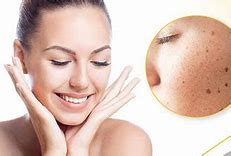
Vitiligo involves the loss of pigment-producing cells called melanocytes resulting in white patches on the skin. It may affect any area but commonly appears on the face, hands, wrists, and around body openings.
- The exact cause remains uncertain but autoimmunity plays a central role in melanocyte destruction leading to depigmentation spots.
- Signs include well-defined depigmented macules with varying size that gradually enlarge over time.
- This condition is diagnosed based on clinical examination sometimes supported by Wood’s lamp inspection.
- Treatment approaches aim to restore pigmentation using options such as topical corticosteroids/immunomodulators,
phototherapy (narrowband UVB), or surgical grafting techniques for stable cases. - The effectiveness varies between individuals with some experiencing repigmentation while others require ongoing treatment.
Although vitiligo poses cosmetic challenges it does not affect overall health; supportive care enhances wellbeing alongside medical intervention where appropriate.
ECZEMA (ATOPIC DERMATITIS) CARE
Eczema or atopic dermatitis is a chronic inflammatory skin condition causing dry, itchy patches that may crack or become inflamed. It often starts in childhood but may continue into adulthood.
- Presentation: Intense itching accompanied by red or brownish-gray patches typically located on hands, feet, inside elbows or behind knees.
- Causative factors: Includes genetic predisposition combined with environmental triggers like allergens or irritants.
- Diagnosis approach: Mainly clinical evaluation supported by patient history; allergy testing may be useful if triggers are suspected.
- Treatment methods: Moisturizers to maintain barrier function; topical corticosteroids or calcineurin inhibitors reduce inflammation; antihistamines can ease itchiness;
A consistent skincare routine along with identification of trigger factors is key to controlling eczema flare-ups effectively over time.
ACNE VULGARIS TREATMENT
Acne vulgaris is a common inflammatory skin disorder characterized by pimples, blackheads, and whiteheads. It mainly targets adolescents but can persist into adulthood.
- Symptoms: Appearance of comedones (blackheads and whiteheads), papules, pustules, and sometimes cysts primarily on the face, chest, and back.
- Underlying causes: Often linked to excess oil production, clogged hair follicles, bacterial colonization, and hormonal changes.
- Diagnosis: Based on clinical examination and assessment of lesion type and severity.
- Treatment modalities: Range from topical retinoids and antibiotics to oral medications such as isotretinoin depending on severity.
- Expected outcomes: With proper treatment adherence, most patients see significant improvement within weeks to months.
A well-structured acne management plan helps prevent scarring and controls outbreaks efficiently for healthier skin appearance.
PSORIASIS MANAGEMENT
Psoriasis is a chronic autoimmune condition that primarily affects the skin, leading to an accelerated buildup of skin cells. This results in red, scaly patches that can be itchy or sometimes painful.
- Symptoms: Common signs include thickened, red plaques covered with silvery scales, often on elbows, knees, scalp, and lower back.
- Causes: It is caused by an overactive immune response triggering rapid skin cell production, often influenced by genetic and environmental factors.
- Diagnosis: Typically diagnosed through clinical examination and patient history; occasionally a skin biopsy is performed to confirm.
- Treatment options: Include topical corticosteroids, vitamin D analogues, phototherapy, and systemic medications such as biologics for more severe cases.
- Management: Lifestyle modifications like stress reduction and moisturizing help control flare-ups.
While there is no permanent cure for psoriasis, effective management strategies can significantly improve quality of life and reduce symptom severity over time.