About Me
Dr. Abdul Basith
MD (OG), MRCOG (UK), PD-FRM
Gynecologist
15 Years Experience
Biography
Dr Abdul Basith- Consultant in Reproductive Medicine and surgery at Apollo Women’s Hospital, Chennai. (Infertility / IVF ICSI/ Laparoscopy and Hysteroscopy/ Robotics)
- [ ] Member of Royal College of Obstetricians and Gynaecologist- London
- [x] Trained in Infertility/ IVF/ICSI at NUH, Singapore.
- [ ] 2 years Post doctoral Fellowship in Reproductive Medicine and Surgery- Tamil Nadu MGR university.
- [ ] Invited Faculty to many national and international conferences
- [ ] Special interest - low ovarian reserve, severe oligoasthenoteratozoospermia, repeated IVF failure, azoospermia, thin endometrium, endometriosis and adenomyosis, fibroid uterus, ovarian microovariotomy for Polycystic ovaries
- [ ] Achieved a lot of natural pregnancies in previous failed IVF patients
- [ ] Life Member of American society of Reproductive Medicine, European Society of Human Reproduction, American Association of Gynecological Laparoscopists, FOGSI, RCOG, IAGE, ISAR
My Clinic
OPD Hours
| Monday | Morning | 10:00 AM | - | 02:00 PM |
| Evening | 06:00 PM | - | 09:00 PM | |
| Tuesday | Morning | 10:00 AM | - | 02:00 PM |
| Evening | 06:00 PM | - | 09:00 PM | |
| Wednesday | Morning | 10:00 AM | - | 02:00 PM |
| Evening | 06:00 PM | - | 09:00 PM | |
| Thursday | Morning | 10:00 AM | - | 02:00 PM |
| Evening | 06:00 PM | - | 09:00 PM | |
| Friday | Morning | 10:00 AM | - | 02:00 PM |
| Evening | 06:00 PM | - | 09:00 PM | |
| Saturday | Morning | 10:00 AM | - | 02:00 PM |
| Evening | 06:00 PM | - | 09:00 PM | |
| Sunday | Morning | 10:00 AM | - | 02:00 PM |
| Evening | 06:00 PM | - | 09:00 PM |
Treatments
Specialised care and treatments offered
CERVICAL HEALTH SCREENING
Cervical health screening is vital for early detection of cervical cancer. The primary method involves Pap smears which check for cell changes in the cervix indicative of pre-cancerous conditions or cancer itself。
- Screening usually starts at age 21; regular assessments thereafter depend on age and previous results according to guidelines set by health authorities.
- Abnormal results may lead to further testing like HPV testing or colposcopy allowing closer examination if necessary.
- Preventative measures including vaccinations against HPV help significantly lower cancer risks related to cervical changes over time.
- Maintaining open communication with your gynecologist ensures personalized care tailored specifically towards your cervical health needs.
Regular screenings remain essential components promoting long-term women's health outcomes while navigating concerns regarding cervical safety measures together with healthcare professionals extending supportive partnerships through rates across ages
OVARIAN CYSTS
Ovarian cysts are fluid-filled sacs that develop on or within an ovary. While most cysts are harmless and resolve independently, some may cause significant issues if they grow larger or rupture。
- Their symptoms, if present, may include abdominal bloating, pain during intercourse, or irregular periods depending on their size and type.
- A diagnosis typically involves pelvic examinations coupled with ultrasounds to identify cyst characteristics.
- Treatment could vary from routine observation for smaller cysts to hormonal contraceptives aimed at preventing formation of new ones or surgery for problematic cysts.
- Many women manage ovarian cysts effectively through close collaboration with their healthcare provider regarding ongoing symptom monitoring.
Effective awareness leads to timely interventions ensuring reproductive health remains a priority throughout life stages.
MENOPAUSE MANAGEMENT
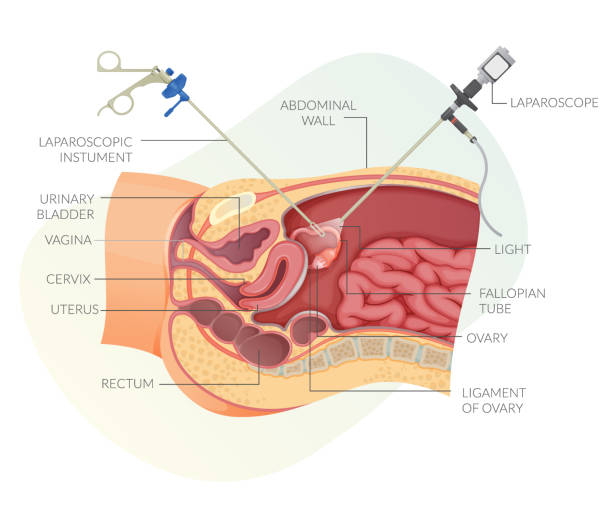
Menopause marks the end of menstruation and is accompanied by hormonal changes affecting various bodily functions. This transition can bring about several symptoms that require careful management.
- Common symptoms include hot flashes, night sweats, mood swings, and vaginal dryness that can impact daily life significantly.
- A thorough evaluation often helps in diagnosing menopause based on clinical history alongside physical examinations when necessary.
- Treatment may involve hormone replacement therapy (HRT), non-hormonal medications, or alternative therapies aimed at alleviating discomforts associated with this phase of life.
- Lifestyle modifications such as diet changes can also play a crucial role in symptom relief during menopause transition periods.
Embracing menopause with informed care strategies can enhance comfort and improve quality of life during this natural phase of aging.
UTERINE FIBROIDS
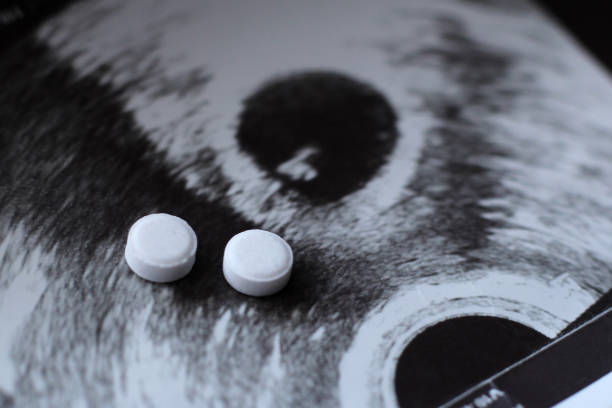
Uterine fibroids are benign tumors that develop in the muscular wall of the uterus. These growths vary in size and can affect different aspects of women's health.
- The majority of women with fibroids experience no symptoms; however, some may have heavy menstrual bleeding, pelvic discomfort, or pressure on surrounding organs.
- A healthcare provider may utilize pelvic exams, ultrasounds, or MRI to confirm the presence of fibroids and assess their characteristics.
- Treatment options include medication for symptom relief or surgical procedures such as myomectomy to remove fibroids while retaining fertility potential.
- Lifestyle adjustments may also assist in managing symptoms effectively without surgical intervention.
The right approach will depend on individual circumstances and should be discussed with a healthcare professional who understands your unique needs.
ENDOMETRIOSIS

This condition occurs when tissue similar to the lining inside the uterus grows outside it. Endometriosis can affect various organs but primarily impacts the ovaries and fallopian tubes.
- The most common symptoms include debilitating pelvic pain, painful periods, and infertility.
- Diagnosis typically involves a pelvic exam, ultrasound, or laparoscopy for direct visualization of endometrial tissue.
- Treatment options range from pain relief medications to hormonal therapies that help reduce or eliminate menstruation.
- Surgery might be necessary for severe cases to remove endometriosis lesions while preserving reproductive organs.
- Managing endometriosis effectively requires a tailored approach with ongoing medical support.
With an appropriate plan in place, many women find relief from their symptoms and improve their overall well-being.
POLYCYSTIC OVARY SYNDROME (PCOS)

Polycystic Ovary Syndrome (PCOS) is a hormonal disorder affecting many women of reproductive age. It is characterized by an imbalance in hormones which can lead to various health issues.
- Symptoms may include irregular menstrual cycles, excess hair growth, and acne.
- A healthcare provider can diagnose PCOS through blood tests assessing hormone levels and imaging studies such as ultrasound.
- Treatment often includes lifestyle changes, hormonal therapy, and medications to manage symptoms.
- Regular monitoring of metabolic health is also important due to associated risks like diabetes.
- With proper management, most individuals can lead healthy lives and effectively address their symptoms.
Understanding PCOS allows for proactive health management and improved quality of life.