
Dr Abhay Nahar
About Me
Dr Abhay Nahar
MBBS
General Physician
Biography
My Clinic
OPD Hours
| Monday | Morning | 10:00 AM | - | 02:00 PM |
| Evening | 06:00 PM | - | 09:00 PM | |
| Tuesday | Morning | 10:00 AM | - | 02:00 PM |
| Evening | 06:00 PM | - | 09:00 PM | |
| Wednesday | Morning | 10:00 AM | - | 02:00 PM |
| Evening | 06:00 PM | - | 09:00 PM | |
| Thursday | Morning | 10:00 AM | - | 02:00 PM |
| Evening | 06:00 PM | - | 09:00 PM | |
| Friday | Morning | 10:00 AM | - | 02:00 PM |
| Evening | 06:00 PM | - | 09:00 PM | |
| Saturday | Morning | 10:00 AM | - | 02:00 PM |
| Evening | 06:00 PM | - | 09:00 PM | |
| Sunday | Morning | 10:00 AM | - | 02:00 PM |
| Evening | 06:00 PM | - | 09:00 PM |
Treatments
Specialised care and treatments offered
URINARY TRACT INFECTION (UTI)

A urinary tract infection (UTI) poses discomfort primarily affecting any part of the urinary system including kidneys bladder urethra presenting unique challenges if recurrent episodes occur . Recognizing signs early maximizes treatment efficacy .
- Symptoms & Causes: Symptoms primarily manifest via painful urination frequent urges urgency , lower abdominal pain sometimes even cloudy foul-smelling urine indicating possible bacterial presence
- Diagnosis : Physicians perform basic urine tests examining bacteria present avoiding guesswork aiding swift appropriate therapy selection intended clients addressed promptly
- Treatment Options: Treatment typically involves prompt antibiotic courses along sufficient hydration following completion , steps necessary preventing future recurrences secured through lifestyle adjustments habits impacted individuals seeking consultation alongside physicians afterward
- What To Expect : Though many respond well initial medication occasionally resistant strains worsen conditions necessitating alternate approaches outcomes closely monitored ensuring recourse timely
Effective management proactive care drastically improves quality life sectors preventing potential hospitalizations restrictions daily activities due delayed responses treated immediately regarding optimizing experiences individuals noticing signs guiding them appropriately seeking assistance establishing lasting resolution preventative measures fitting securely daily practices .
GASTROENTERITIS

This inflammation of the stomach and intestines leads to vomiting and diarrhea which can result from viral or bacterial infections as well as food intolerances. Understanding gastroenteritis is crucial since it has a rapid onset in many cases
- Symptoms: Common symptoms include watery diarrhea, abdominal cramps nausea accompanied by vomiting sometimes fever depending upon severity
- Diagnosis: Careful history review alongside stool analysis helps identify specific pathogens responsible for gastroenteritis developing appropriate management plans
- Treatment Options: Rehydration becomes key amidst managing symptoms access electrolyte solutions&rest plays vital role ensuring adequate nutrition reintroduction post recovery phase
- What To Expect: Full recovery typically occurs within a few days although persistent symptoms may indicate deeper issues requiring further investigation
Education regarding prevention hygiene practices serves as an important consideration mitigating future occurrences critical focusing individuals’ overall wellness.
ANEMIA

Anemia occurs when the body lacks sufficient healthy red blood cells or hemoglobin needed to transport oxygen effectively. It can result from various underlying conditions that require careful evaluation.
- Symptoms and Causes: Individuals may experience fatigue, weakness, pale skin, or dizziness due to various causes including iron deficiency or chronic diseases.
- Diagnosis: A complete blood count (CBC) test helps determine hemoglobin levels along with iron studies that guide treatment direction based on type of anemia diagnosed.
- Treatment Options: Treatment generally focuses on addressing the underlying cause; iron supplements or dietary changes might be recommended alongside possible vitamin B12 injections for specific types of anemia.
- What to Expect: Regular follow-up tests will ensure improvement in blood counts; patients should engage actively in discussing their progress with their healthcare provider.
Anemia management emphasizes both immediate treatment strategies while also considering long-term health implications connected with underlying conditions
ACUTE RESPIRATORY INFECTION
An acute respiratory infection (ARI) affects the airways and lungs and can range from mild colds to more severe illnesses like pneumonia. It's important to recognize symptoms early for effective management.
- Symptoms and Causes: Symptoms often include cough, sore throat, runny nose, fever, or shortness of breath due to viral or bacterial infections.
- Diagnosis: Diagnosis usually relies on clinical evaluation including history-taking and physical examinations; additional tests like chest X-rays may be necessary for confirmation in severe cases.
- Treatment Options: Management may involve rest, hydration, over-the-counter medications for symptom relief; antibiotics might be required for bacterial infections specifically.
- What to Expect: Most ARIs resolve within a couple of weeks but complications can arise if left untreated; thus vigilant monitoring is essential for recovery.
Treating ARIs promptly can enhance recovery rates while preventing further complications that could arise from unresolved infections.
DIABETES MELLITUS

This chronic condition affects how your body processes glucose, leading to elevated levels in the bloodstream. Diabetes requires lifelong management and awareness to prevent complications.
- Symptoms and Causes: Common symptoms include increased thirst, frequent urination, fatigue, and blurred vision. Genetics, diet, and lifestyle choices contribute to its development.
- Diagnosis: Testing involves monitoring blood glucose levels through fasting tests or A1C assessments conducted by healthcare professionals.
- Treatment Options: Management typically includes lifestyle changes like diet control and exercise, along with insulin therapy or oral medications when needed.
- What to Expect: Individuals will need regular follow-ups to monitor their condition and adjust treatments accordingly; self-management education is invaluable.
A proper understanding of diabetes can empower patients to lead healthier lives while minimizing risks associated with the disease.
HYPERTENSION

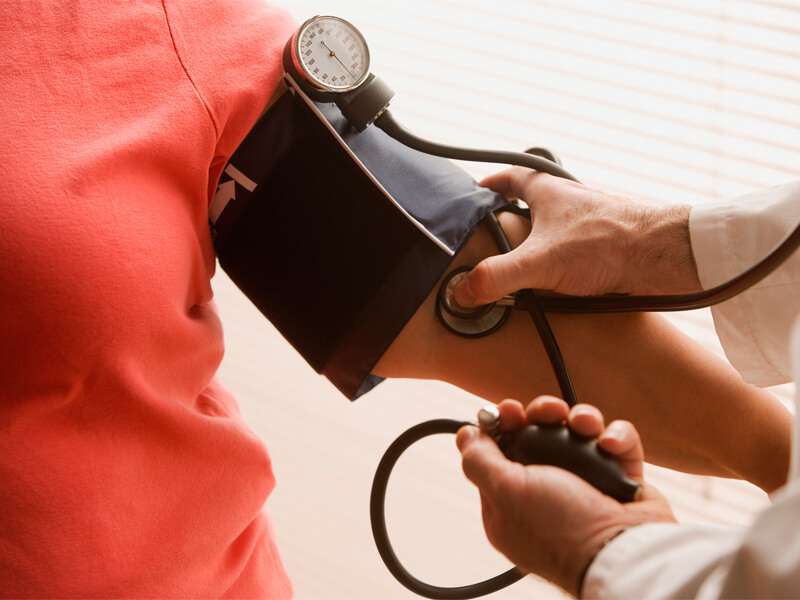
Hypertension, commonly referred to as high blood pressure, is a serious medical condition that can lead to significant health issues if not properly managed. This condition often develops quietly over time and may remain unnoticed for years.
- Symptoms and Causes: Many individuals will experience no symptoms; however, headaches, confusion, vision problems, and difficulty breathing can occur in severe cases.
- Diagnosis: Blood pressure readings are taken using a sphygmomanometer during routine check-ups. Multiple readings may be necessary for an accurate diagnosis.
- Treatment Options: Lifestyle changes such as dietary adjustments and increased physical activity are recommended. Medications may also be prescribed based on individual needs.
- What to Expect: Regular monitoring of blood pressure is essential in effectively managing this condition. Patients should work closely with healthcare providers to tailor treatment plans.
Addressing hypertension early on can significantly lower the risk of heart disease and other complications. Thus, proactive management is vital.