
About Me
Dr. Abhijit Bodke
M.B.B.S,DGO,F.MAS
Obstetrics/Gynecology
20 Years Experience
Biography
My Clinic
OPD Hours
| Monday | Morning | 08:00 AM | - | 01:15 PM |
| Evening | 06:15 PM | - | 10:00 PM | |
| Tuesday | Morning | 08:00 AM | - | 01:15 PM |
| Evening | 06:15 PM | - | 10:00 PM | |
| Wednesday | Morning | 08:00 AM | - | 01:15 PM |
| Evening | 06:15 PM | - | 10:00 PM | |
| Thursday | Morning | 08:00 AM | - | 01:15 PM |
| Evening | 06:15 PM | - | 10:00 PM | |
| Friday | Morning | 08:00 AM | - | 01:15 PM |
| Evening | 06:15 PM | - | 10:00 PM | |
| Saturday | Morning | 08:00 AM | - | 01:15 PM |
| Evening | 06:15 PM | - | 10:00 PM |
Treatments
Specialised care and treatments offered
CONTRACEPTIVE COUNSELING

This service helps individuals understand various birth control methods available today. Effective contraceptive counseling educates patients about different options including hormonal pills, IUDs, implants, natural methods, and barrier techniques so they can choose what suits them best based on lifestyle preferences.
- Symptoms/causes : Unplanned pregnancies arise commonly due lack understanding surrounding available contraception techniques .
- Diagnosis : Assessment begins through comprehensive discussions covering sexual history , future family planning goals , children status etc .
- Treatment options : Contraception choices range widely empowering patients towards family planning aligned personal values /health considerations today .
- What to expect : Expect open conversations forming trust between patient & provider ; regular follow-ups ensure effectiveness maintaining optimal adjusted plans if needed .
Understanding contraceptive methods enhances sexual health literacy among all individuals fostering informed decision-making abilities regarding personal reproduction choices overall ensuring better life balance moving forward !
HORMONAL THERAPY

This therapy involves using hormones to alleviate symptoms related to hormonal imbalances such as those occurring during menopause. Hormonal therapy can effectively manage hot flashes, mood swings, and vaginal dryness while also reducing risks related to bone density loss over time.
- Symptoms/causes: Hot flashes, night sweats, and vaginal discomfort can signal the need for intervention based on hormonal fluctuations experienced during menopause .
- Diagnosis : A complete review of medical history alongside symptom discussion informs treatment suggestio ns .
- Treatment options : Hormonal therapy methods include estrogen pills , patches , gels , or vaginal creams tailored according t o individual needs .
- What to expect : Patients should discuss potential benefits versus risks with their doctor ; follow-up appointments will monitor ongoing effectiveness and side effects .
Choosing hormonal therapy requires informed discussions about personal needs , leading toward improved quality-of-life outcomes post-menopause .
PELVIC EXAM
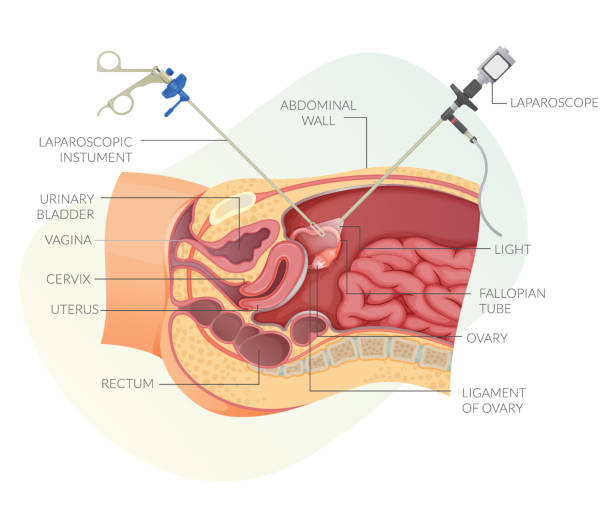
The pelvic exam is an essential component of women's health assessments. During this examination, healthcare providers assess reproductive organs for any abnormalities or signs of disease. It’s generally recommended annually for sexually active women or those over 21 years old.
- Symptoms/causes: Symptoms might include pain during intercourse or unusual discharge, but many conditions have no symptoms at all initially.
- Diagnosis: Physical inspection combined with palpation helps in identifying issues such as cysts or infections in the pelvic area.
- Treatment options: Based on findings, potential treatments could involve medications or referral to specialists if needed for further evaluation and care.
- What to expect: The exam usually lasts about 10-20 minutes; patients may feel slight discomfort but it should not be painful if performed properly.
This vital check-up fosters awareness about reproductive health and empowers women in making informed decisions about their bodies and wellness strategies moving forward.
ENDOMETRIAL BIOPSY

An endometrial biopsy is a procedure used to obtain a tissue sample from the lining of the uterus. This test is important for diagnosing various uterine conditions, including endometrial hyperplasia and cancer. Women experiencing irregular bleeding should consider this test.
- Symptoms/causes: Irregular or heavy menstrual bleeding can indicate underlying issues that need further investigation.
- Diagnosis: A small instrument is inserted into the uterus through the cervix to collect tissue samples for laboratory analysis.
- Treatment options: Results can guide management strategies which might include medication or surgical intervention depending on findings.
- What to expect: The procedure typically takes less than ten minutes; some cramping may occur but it’s generally well-tolerated by patients.
This biopsy provides critical information regarding uterine health, enabling timely and appropriate management of any identified conditions.
MAMMOGRAM

A mammogram is an X-ray examination of the breast that plays a vital role in detecting breast cancer, often before physical symptoms arise. Women aged 40 and older are encouraged to undergo annual mammograms as part of their routine health care.
- Symptoms/causes: Breast cancer may not exhibit noticeable symptoms until later stages, highlighting the importance of regular screenings.
- Diagnosis: Two types exist: screening mammograms for asymptomatic women and diagnostic mammograms for those with unusual findings.
- Treatment options: If abnormalities are found, follow-up diagnostics such as ultrasound or biopsy may be required.
- What to expect: The procedure lasts about 30 minutes, involving compression of the breast for clear imaging—some discomfort may occur but is brief.
Mammograms can detect tumors that are too small to be felt, significantly enhancing treatment success rates when coupled with lifestyle awareness and education.
PAP SMEAR

A Pap smear is a crucial screening procedure designed to detect changes in cervical cells that may lead to cervical cancer. It is recommended for women starting at the age of 21 or within three years of becoming sexually active. Regular screenings can help catch abnormalities early on.
- Symptoms/causes: Often, there are no symptoms associated with abnormal cervical cells.
- Diagnosis: A sample of cells is collected from the cervix and examined under a microscope.
- Treatment options: Depending on results, treatment may range from careful monitoring to more invasive procedures like cryotherapy or LEEP.
- What to expect: The procedure is quick and usually uncomfortable rather than painful, with results typically available within a few weeks.
Early detection through regular Pap smears greatly reduces the risk of advanced cervical cancer, making it an essential part of women's health care.