
Dr Abhinav Bhaga
About Me
Dr Abhinav Bhaga
MBBS
General Physician
10 Years Experience
Biography
My Clinic
OPD Hours
| Monday | Morning | 10:00 AM | - | 02:00 PM |
| Evening | 06:00 PM | - | 09:00 PM | |
| Tuesday | Morning | 10:00 AM | - | 02:00 PM |
| Evening | 06:00 PM | - | 09:00 PM | |
| Wednesday | Morning | 10:00 AM | - | 02:00 PM |
| Evening | 06:00 PM | - | 09:00 PM | |
| Thursday | Morning | 10:00 AM | - | 02:00 PM |
| Evening | 06:00 PM | - | 09:00 PM | |
| Friday | Morning | 10:00 AM | - | 02:00 PM |
| Evening | 06:00 PM | - | 09:00 PM | |
| Saturday | Morning | 10:00 AM | - | 02:00 PM |
| Evening | 06:00 PM | - | 09:00 PM | |
| Sunday | Morning | 10:00 AM | - | 02:00 PM |
| Evening | 06:00 PM | - | 09:00 PM |
Treatments
Specialised care and treatments offered
URINARY TRACT INFECTIONS (UTIS)
A urinary tract infection occurs when bacteria enter the urinary system causing inflammation. UTIs are more common in women but can affect anyone at any age. Early diagnosis and treatment are essential for preventing complications.
- Symptoms: The primary indicators are frequent urination accompanied by burning sensations during urination but also includes cloudy urine or pelvic pain .
- Diagnosis: A simple urine test detects bacteria; additional cultures might be performed for confirmation in complex cases .
- Treatment: Antibiotics are commonly prescribed along with increased fluid intake; preventive measures involve proper hygiene practices & staying hydrated .
If you suspect a UTI , seeking timely medical care helps alleviate discomfort & prevents spread to kidneys leading potentially severe outcomes .
INFLUENZA

The influenza virus causes seasonal flu outbreaks characterized by a sudden onset of illness. Unlike the common cold which is generally milder, influenza can cause severe illness in vulnerable populations such as children or elderly individuals.
- Symptoms: Signs typically include fever/chills , muscle aches , cough , sore throat , fatigue , headache ,and nasal congestion .
- Diagnosis: Influenza is primarily diagnosed through clinical evaluation; rapid diagnostic tests may also confirm the presence of the virus .
- Treatment : Management usually focuses on relieving symptoms utilizing antiviral medications which are most effective when started early , alongside rest , hydration ,and over-the-counter fever reducers .
Prompt care can minimize illness duration & severity especially for at-risk individuals ; vaccination remains vital for prevention .
GASTROESOPHAGEAL REFLUX DISEASE (GERD)
This chronic digestive disorder occurs when stomach acid flows back into the esophagus. This backflow can irritate the lining of the esophagus leading to discomfort and complications if left untreated.
- Symptoms: Common symptoms include heartburn, regurgitation of food or sour liquid, difficulty swallowing, and chest pain.
- Persistent Symptoms: Those experiencing these symptoms frequently should consult a physician for further evaluation as GERD can lead to more serious health issues if untreated.
- Treatment Options: Treatments often entail lifestyle changes such as diet modifications alongside medications that reduce acid production like proton pump inhibitors (PPIs).
Your commitment to observing triggers that exacerbate your reflux will significantly aid in managing GERD effectively over time.
RESPIRATORY INFECTIONS
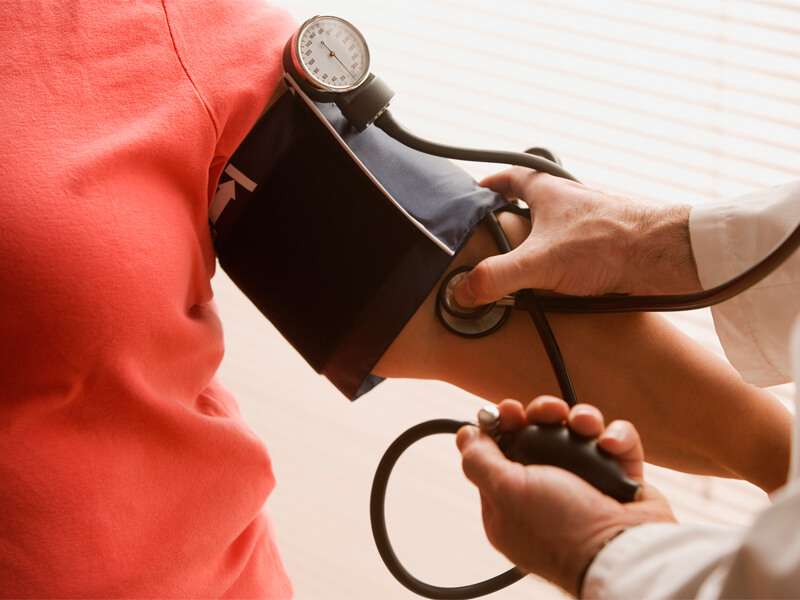
A respiratory infection affects the airways and lungs. These infections can be caused by viruses or bacteria and range from mild colds to more severe diseases such as pneumonia.
- Symptoms: Typical signs include coughing, wheezing, sore throat, fever, and difficulty breathing in more serious cases.
- Diagnosis: Diagnosis often involves physical examinations and may include chest X-rays or sputum tests to determine the infection's source.
- Treatment: Most mild infections require rest and hydration; bacterial infections may be treated with antibiotics while viral infections typically do not require medication.
A majority of patients recover well at home with proper care; however, those with compromised immune systems should seek prompt medical attention if symptoms arise.
DIABETES MELLITUS
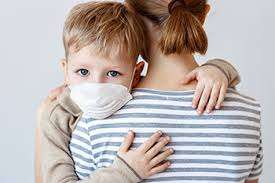
Diabetes mellitus refers to a group of diseases that affect how your body uses blood sugar (glucose). Over time, high levels of glucose in the bloodstream can lead to significant health complications if not managed properly.
- Types: The most common types are Type 1 diabetes (insulin-dependent) and Type 2 diabetes (insulin resistance).
- Symptoms: Common symptoms include increased thirst, frequent urination, extreme fatigue, and blurred vision.
- Diagnosis: Diagnosis typically involves fasting blood sugar tests or A1C tests that measure average blood sugar over time.
- Treatment: Management can include medication, insulin therapy for Type 1 patients, dietary modifications, regular physical activity, and monitoring blood sugar levels.
If you take an active role in managing your diabetes through education and support, it's possible to live a healthy life with this condition.
HYPERTENSION
Hypertension, commonly known as high blood pressure, is a condition where the force of the blood against the artery walls is consistently too high. If left untreated, it can lead to serious health issues such as heart disease and stroke.
- Symptoms: Many individuals may not experience any noticeable symptoms, but some may suffer from headaches, shortness of breath, or nosebleeds.
- Diagnosis: Blood pressure readings taken during a routine visit can help diagnose hypertension. Additional tests may be conducted to identify underlying health problems.
- Treatment: Management often includes lifestyle changes such as diet and exercise, along with medications like diuretics and ACE inhibitors for those who need them.
- What to Expect: Regular monitoring of blood pressure levels and follow-up appointments are essential to manage this chronic condition effectively.
Effective management is crucial for maintaining overall health and preventing complications associated with hypertension.