
Dr Abhinav Kumar
About Me
Dr Abhinav Kumar
ENDOCRINOLOGIST
Biography
My Clinic
OPD Hours
| Monday | Morning | 10:00 AM | - | 02:00 PM |
| Evening | 06:00 PM | - | 09:00 PM | |
| Tuesday | Morning | 10:00 AM | - | 02:00 PM |
| Evening | 06:00 PM | - | 09:00 PM | |
| Wednesday | Morning | 10:00 AM | - | 02:00 PM |
| Evening | 06:00 PM | - | 09:00 PM | |
| Thursday | Morning | 10:00 AM | - | 02:00 PM |
| Evening | 06:00 PM | - | 09:00 PM | |
| Friday | Morning | 10:00 AM | - | 02:00 PM |
| Evening | 06:00 PM | - | 09:00 PM | |
| Saturday | Morning | 10:00 AM | - | 02:00 PM |
| Evening | 06:00 PM | - | 09:00 PM | |
| Sunday | Morning | 10:00 AM | - | 02:00 PM |
| Evening | 06:00 PM | - | 09:00 PM |
Treatments
Specialised care and treatments offered
OSTEOPOROSIS
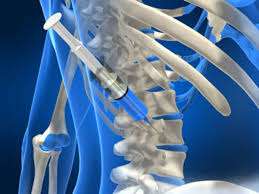
This metabolic bone disease leads to decreased bone density making bones fragile. Recognizing osteoporosis risks early enables preventive measures against fractures later in life which are common among older adults affected by this issue
- Important signs might be back pain due compression fractures known as 'silent' condition until serious breaks occur; thus maintaining awareness matters greatly!
- Screening involves dual-energy X-ray absorptiometry (DEXA scans) assessing bone mineral density alongside considering family histories concerning similar afflictions before confirmation conclusions drawn.
Effective treatments consist mainly focusing dietary changes increasing calcium/vitamin D intake combined physical activity facilitating strength/mobility retained minimal risk injury while certain medications prescribed strengthen existing structures supporting better durability within skeleton systems overall!
Additionally tracking progression regularly will show improvements achieved empower patients advocating long term resilience against challenges posed throughout future lifestyles without involved limitations imposed previously!POLYCYSTIC OVARY SYNDROME (PCOS)

This hormonal disorder affects women of reproductive age and can lead to various health issues if left unmanaged. Addressing PCOS early promotes more effective treatment strategies tailored to each patient’s needs.
- Symptoms often include irregular menstrual cycles, excessive hair growth (hirsutism), acne, weight gain, and infertility challenges.
- Diagnosis usually involves a combination of clinical evaluation along with ultrasound imaging assessments.
- Management approaches range from lifestyle interventions aimed at weight loss through diet/exercise routines followed by hormonal treatments like birth control pills or anti-androgens if necessary.
- Understand that monitoring your condition regularly ensures optimal management outcomes while tackling any related concerns proactively.
With adequate support systems in place through healthcare providers addressing PCOS holistically improves overall wellness among affected women immensely!
CUSHING'S SYNDROME

Cushing's Syndrome results from prolonged exposure to high levels of cortisol in the body. Early recognition is key to preventing long-term complications associated with this condition.
- Main symptoms often include rapid weight gain primarily in the torso, round face, increased bruising, and high blood pressure.
- A diagnosis typically requires a combination of medical history review along with urine tests for cortisol excretion or imaging studies for tumors on adrenal glands or pituitary glands.
- Treatment may involve surgical intervention if caused by tumors or medications to inhibit cortisol production when surgery isn't an option.
- Lifestyle modifications such as diet changes may also support recovery efforts after treatment.
With timely intervention and ongoing care plans tailored to individual needs, those suffering from Cushing's can experience significant improvements in health outcomes.
HYPERTHYROIDISM

This endocrine disorder occurs when the thyroid gland is overactive, producing excessive amounts of thyroid hormones. Identifying hyperthyroidism early facilitates better management strategies.
- Typical symptoms include weight loss despite increased appetite, rapid heartbeat, sweating, and anxiety.
- A comprehensive diagnosis usually involves blood tests that assess TSH and thyroxine levels along with imaging studies if necessary.
- Treatment may involve antithyroid medications, radioactive iodine therapy, or sometimes surgery depending on severity and underlying cause.
- Lifestyle adjustments such as stress management techniques also play a vital role in managing symptoms and overall health.
With appropriate treatment plans in place, individuals can manage hyperthyroidism effectively and improve their quality of life significantly.
HYPOTHYROIDISM

This condition occurs when the thyroid gland does not produce enough thyroid hormones, leading to a slowed metabolism. Recognizing the signs early can significantly improve treatment outcomes.
- Common symptoms include fatigue, weight gain, sensitivity to cold, and depression.
- A diagnosis generally involves blood tests measuring Thyroid-Stimulating Hormone (TSH) and free thyroxine levels.
- Treatment commonly includes daily use of synthetic thyroid hormone to restore normal hormone levels in the body.
- Regular follow-ups are needed to monitor hormone levels and adjust medication dosage accordingly.
- Patients should expect gradual improvement as hormone levels stabilize with treatment over time.
Effective management can help alleviate symptoms and enhance overall well-being for those dealing with hypothyroidism.
DIABETES MELLITUS

Diabetes Mellitus is a chronic condition that affects how the body processes glucose, resulting in high blood sugar levels. Understanding diabetes is crucial for effective management and maintaining quality of life.
- The primary symptoms include increased thirst, frequent urination, extreme fatigue, and blurred vision.
- Diagnosis typically involves blood tests to measure glucose levels, including fasting blood glucose and HbA1c tests.
- Management options vary from lifestyle changes such as diet and exercise to medications like insulin or oral hypoglycemics.
- Patient education is essential; regular monitoring of blood sugar levels is recommended for optimal control.
- Patients can expect personalized care plans tailored to their specific needs to help manage their condition effectively.
With proper management, individuals with Diabetes Mellitus can lead healthy lives and reduce the risk of complications.