
Dr Abhishek Agraw
About Me
Dr Abhishek Agraw
Internal Medicine
Biography
My Clinic
OPD Hours
| Monday | Morning | 10:00 AM | - | 02:00 PM |
| Evening | 06:00 PM | - | 09:00 PM | |
| Tuesday | Morning | 10:00 AM | - | 02:00 PM |
| Evening | 06:00 PM | - | 09:00 PM | |
| Wednesday | Morning | 10:00 AM | - | 02:00 PM |
| Evening | 06:00 PM | - | 09:00 PM | |
| Thursday | Morning | 10:00 AM | - | 02:00 PM |
| Evening | 06:00 PM | - | 09:00 PM | |
| Friday | Morning | 10:00 AM | - | 02:00 PM |
| Evening | 06:00 PM | - | 09:00 PM | |
| Saturday | Morning | 10:00 AM | - | 02:00 PM |
| Evening | 06:00 PM | - | 09:00 PM | |
| Sunday | Morning | 10:00 AM | - | 02:00 PM |
| Evening | 06:00 PM | - | 09:00 PM |
Treatments
Specialised care and treatments offered
ANEMIA
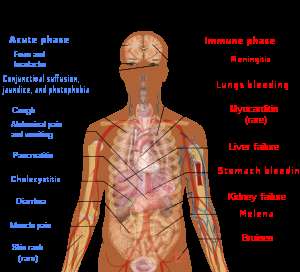
Anemia refers to a deficiency in red blood cells (RBCs) or hemoglobin in the blood. As a result of this deficiency oxygen transport decreases throughout the body leading possibly toward fatigue among other symptoms.
- Symptoms: Common indicators include fatigue , weakness , dizziness , paleness of skin among others .
- Causes: There could be several reasons ranging from iron deficiency towards chronic diseases impairing RBC production .
- Diagnosis: Blood tests evaluating hemoglobin levels coupled with ferritin tests aid diagnosis .
- Treatment: Options vary depending upon underlying cause - oral supplements especially iron often prescribed though sometimes transfusions required if critically low levels found .
GASTROESOPHAGEAL REFLUX DISEASE (GERD)
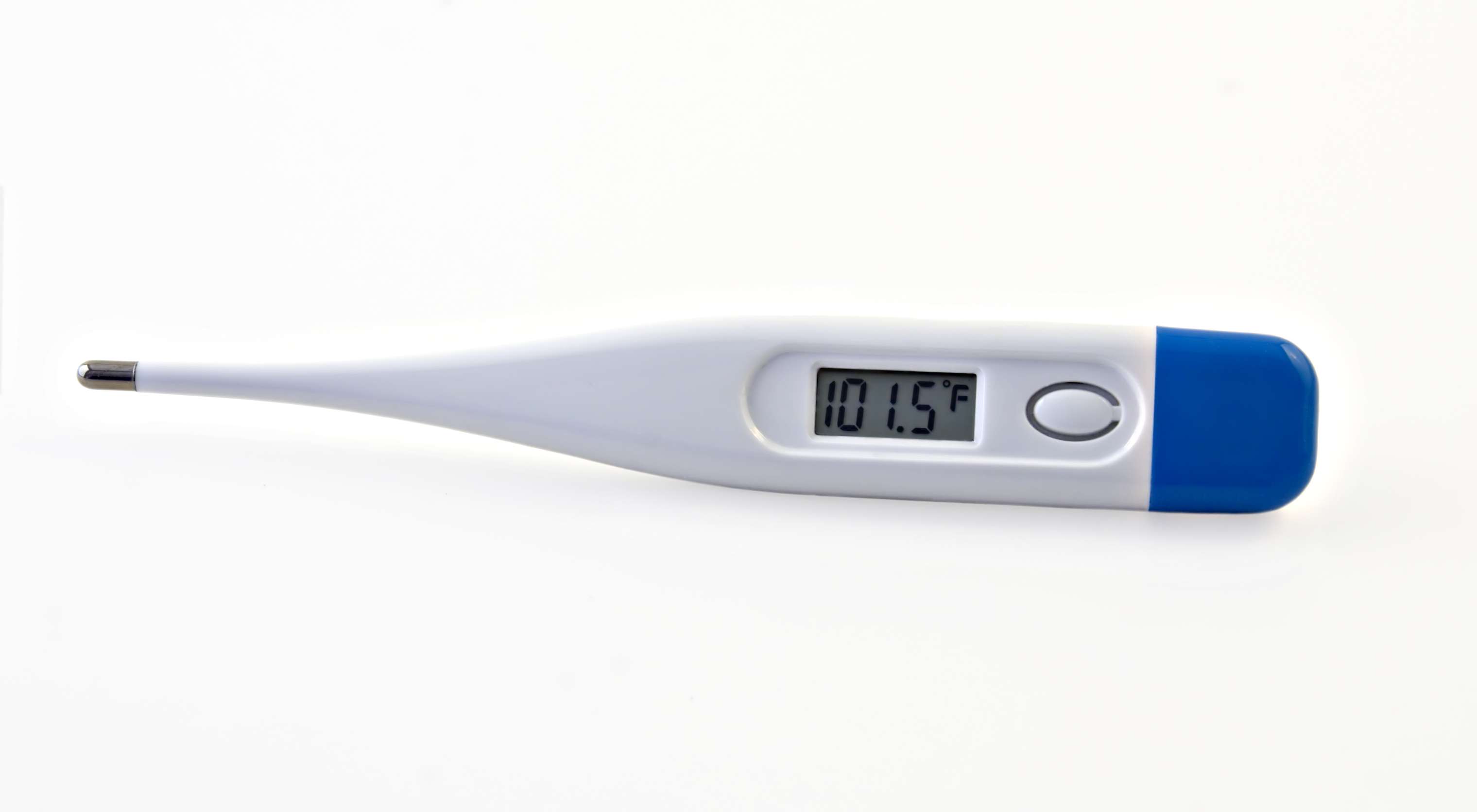
This chronic digestive disorder occurs when stomach acid frequently flows back into the esophagus. GERD causes irritation that can lead to discomfort and potentially severe complications like esophagitis if unattended long-term。
- Symptoms: Heartburn after meals , acid regurgitation , difficulty swallowing , chronic sore throat , and cough .
- Causes: Weak lower esophageal sphincter , obesity , dietary factors such as fatty foods , caffeine intake .
- Diagnosis: Based on patient history , physician exams ; additional tests like endoscopy might be warranted if symptoms persist .
- Treatment: Lifestyle changes (dietary modifications) combined with medications like antacids help relieve symptoms . In severe situations surgical options are available .
Consistent management through dietary awareness plays an integral role in controlling GERD symptoms effectively over time .
DIABETES MELLITUS TYPE 2
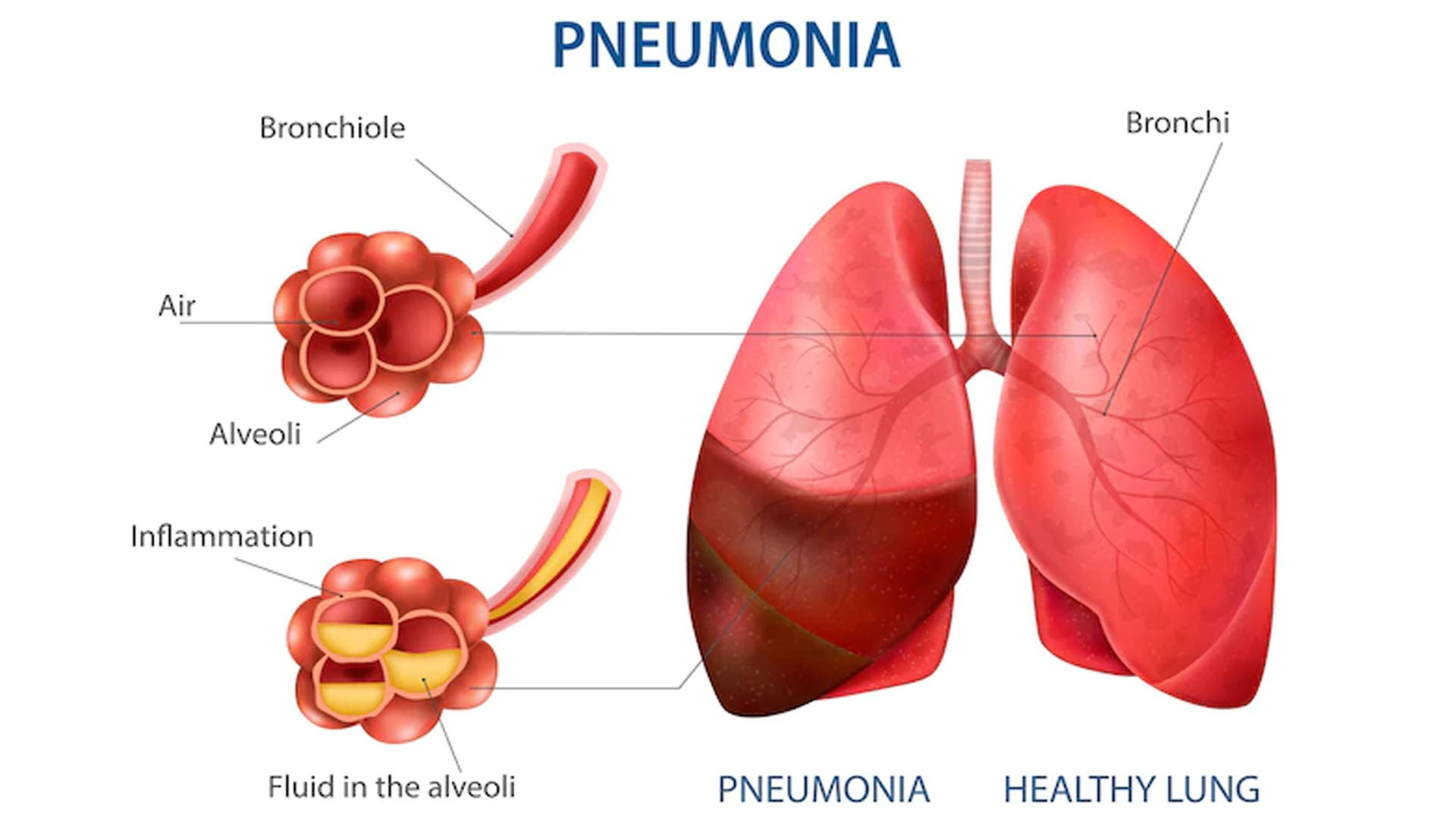
This chronic condition affects how your body metabolizes sugar (glucose), which is vital for energy production. Diabetes Mellitus Type 2 develops when the body becomes resistant to insulin or doesn't produce enough insulin leading to high blood sugar levels.
- Symptoms: Individuals might notice increased thirst and hunger, frequent urination, fatigue, blurry vision, and slow healing sores.
- Causes:The primary causes include obesity particularly around the abdomen, sedentary lifestyle practices alongside genetic factors that increase susceptibility.
PNEUMONIA
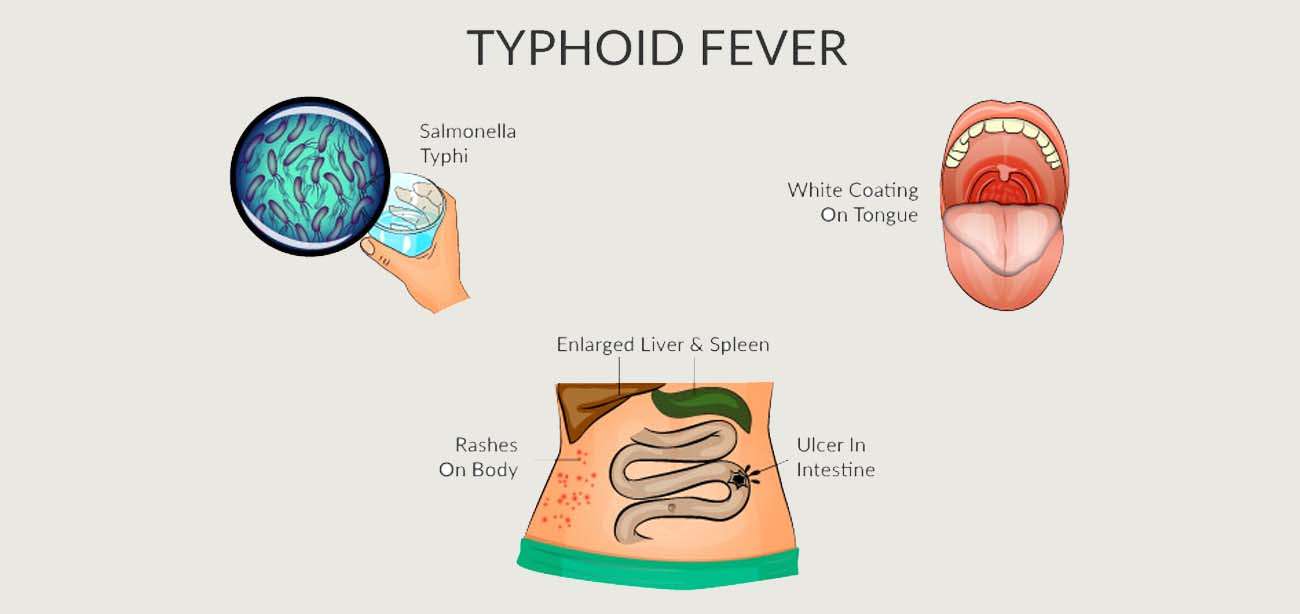
Pneumonia is an infection that inflames air sacs in one or both lungs. It may be caused by bacteria, viruses, or fungi. This serious condition requires timely diagnosis and treatment to prevent complications like lung abscesses or sepsis.
- Symptoms: Commonly includes cough with phlegm or pus, fever chills, difficulty breathing, and chest pain when coughing or breathing deeply.
- Causes: Various pathogens cause pneumonia; bacterial pneumonias are particularly common following viral infections such as influenza.
- Diagnosis: Physicians typically perform physical examinations supplemented by chest X-rays and sputum cultures for definitive identification of causative agents.
- Treatment: Treatment depends on the cause; bacterial infections may require antibiotics while viral pneumonias are managed with supportive care including fluids and rest.
A full recovery generally occurs within weeks with appropriate interventions while some individuals may require prolonged care based on their overall health status at presentation.
HYPERTENSION (HIGH BLOOD PRESSURE)
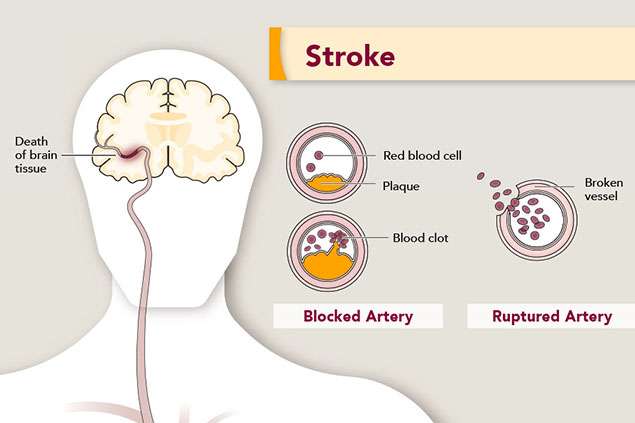
Hypertension is a frequent condition where the blood pressure in the arteries becomes persistently elevated. It is often termed the 'silent killer' due to its lack of noticeable symptoms but can lead to serious health complications if left untreated.
- Symptoms: Many individuals do not experience any signs; however, severe cases can result in headaches, shortness of breath, or nosebleeds.
- Causes: Factors contributing to hypertension include obesity, high salt intake, sedentary lifestyle, and genetic predisposition.
- Diagnosis: Blood pressure readings are taken using a sphygmomanometer during routine visits or when symptoms arise.
- Treatment: Management may involve lifestyle modifications such as diet changes and exercise along with medications like diuretics or ACE inhibitors for better control.
- What to Expect: With appropriate treatment adherence and lifestyle changes, many patients can effectively manage their blood pressure to reduce risks of heart disease and stroke.
A regular follow-up with your healthcare provider is essential for monitoring this condition over time.
ACUTE BRONCHITIS
Acute bronchitis is a common respiratory condition characterized by inflammation of the bronchial tubes. This condition often follows a viral respiratory infection, such as a cold or the flu, and can lead to significant discomfort.
- Symptoms: Patients typically present with a persistent cough, which may produce mucus, fatigue, shortness of breath, and chest discomfort.
- Causes: The primary cause is usually viral infections, but it can also result from exposure to irritants like smoke or pollution.
- Diagnosis: A healthcare provider will perform a physical examination and may order chest X-rays to rule out pneumonia.
- Treatment: Management usually involves rest, increased fluid intake, and over-the-counter medications for symptom relief. Antibiotics are not generally recommended unless a bacterial infection is suspected.
- What to Expect: Most patients recover within a few weeks, although coughing may persist longer as lungs heal.
If symptoms worsen or fail to improve after several days, seek medical attention for further evaluation and management options.