
Dr Abhishek Khand
About Me
Dr Abhishek Khand
MD
ENDOCRINOLOGIST
Biography
My Clinic
OPD Hours
| Monday | Morning | 10:00 AM | - | 02:00 PM |
| Evening | 06:00 PM | - | 09:00 PM | |
| Tuesday | Morning | 10:00 AM | - | 02:00 PM |
| Evening | 06:00 PM | - | 09:00 PM | |
| Wednesday | Morning | 10:00 AM | - | 02:00 PM |
| Evening | 06:00 PM | - | 09:00 PM | |
| Thursday | Morning | 10:00 AM | - | 02:00 PM |
| Evening | 06:00 PM | - | 09:00 PM | |
| Friday | Morning | 10:00 AM | - | 02:00 PM |
| Evening | 06:00 PM | - | 09:00 PM | |
| Saturday | Morning | 10:00 AM | - | 02:00 PM |
| Evening | 06:00 PM | - | 09:00 PM | |
| Sunday | Morning | 10:00 AM | - | 02:00 PM |
| Evening | 06:00 PM | - | 09:00 PM |
Treatments
Specialised care and treatments offered
OSTEOPOROSIS
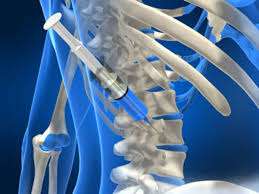
This condition is characterized by weakened bones that become more susceptible to fractures. Osteoporosis frequently develops without noticeable symptoms until a fracture occurs, making early detection vital for prevention strategies.
- The main risk factors include age, gender (particularly women after menopause), family history, low calcium intake, and sedentary lifestyle habits.
- A bone density test (DEXA scan) provides a definitive diagnosis by measuring bone mineral density compared against standard values.
- Treatment options incorporate lifestyle changes like improved nutrition and exercise routines plus medications that strengthen bone density over time such as bisphosphonates or hormone therapies.
- Maintaining bone health through regular medical checkups enables early identification of risk factors before they culminate in serious complications associated with osteoporosis.
Proper education about maintaining strong bones plays an integral role in empowering individuals towards preventive care against osteoporosis throughout life stages.
POLYCYSTIC OVARY SYNDROME (PCOS)

This hormonal disorder affects people with ovaries typically during their reproductive years. PCOS leads to a range of symptoms related to hormonal imbalance affecting metabolic health as well as fertility.
- Signs may include irregular menstrual cycles, ovarian cysts detected via ultrasound, and excess hair growth on the face or body.
- Diagnosis often requires a combination of medical history evaluation along with lab testing for hormone levels.
- Treatment approaches focus on managing individual symptoms through lifestyle modifications including diet changes and physical activity; medications like hormonal birth control might also be prescribed.
- Long-term management aims at reducing health risks associated with PCOS such as type 2 diabetes and cardiovascular diseases.
With awareness about PCOS increasing among patients, better understanding leads to effective strategies for handling this prevalent condition.
CUSHING'S SYNDROME

Cushing's syndrome occurs when the body is exposed to high cortisol levels over an extended period. This disorder can arise from different causes including tumors or prolonged use of corticosteroid medications.
- Main symptoms often feature weight gain around the abdomen, thinning skin, and easy bruising.
- Difficulties in diagnosing Cushing's syndrome may require various tests including urine tests measuring cortisol excretion or imaging studies for tumor detection.
- Treatment methods focus on addressing the underlying cause while restoring hormonal balance; it can include surgery or medications that inhibit cortisol production.
An early diagnosis combined with appropriate intervention greatly enhances long-term outcomes for patients dealing with this complex syndrome.
HYPERTHYROIDISM

Hyperthyroidism is a condition where the thyroid gland produces excessive amounts of hormones. This overproduction can lead to various physical changes and symptoms that require medical attention.
- Common symptoms include weight loss, rapid heartbeat, and heightened anxiety levels.
- A healthcare provider will usually evaluate laboratory tests showing low TSH levels for diagnosis.
- Treatments may involve antithyroid medications, radioactive iodine therapy, or surgery in some cases to control hormone production.
- Regular monitoring is essential for managing this condition effectively due to potential complications such as heart issues.
A comprehensive treatment plan can help stabilize hormone levels and improve overall well-being for those affected by hyperthyroidism.
HYPOTHYROIDISM

This endocrine disorder results from an underactive thyroid gland, leading to insufficient hormone production. People with hypothyroidism may experience various symptoms that can significantly impact their quality of life.
- Common signs include fatigue, weight gain, and sensitivity to cold temperatures.
- A blood test measuring TSH and thyroid hormones confirms the diagnosis.
- Treatment generally involves daily administration of synthetic thyroid hormone, which helps restore normal hormone levels.
- Patients should regularly follow up with their healthcare provider for symptom management and medication adjustments.
Treating hypothyroidism effectively allows individuals to regain energy levels and maintain metabolic balance.
DIABETES MELLITUS

Diabetes Mellitus is a chronic condition characterized by elevated blood sugar levels. It occurs when the body either does not produce enough insulin or cannot effectively use the produced insulin.
- Symptoms may include increased thirst, frequent urination, and fatigue.
- Diagnosis typically involves blood tests to measure glucose levels.
- Treatment options include lifestyle changes such as diet and exercise, alongside medications like metformin or insulin therapy.
- Patients can expect regular monitoring of blood sugar levels to ensure they remain within target ranges.
- It is crucial to manage diabetes effectively to prevent complications such as cardiovascular disease and neuropathy.
With proper management, individuals with diabetes can lead healthy lives and minimize the risks associated with this condition.