
Dr Abhishek Pare
About Me
Dr Abhishek Pare
MD
Oncologist
10 Years Experience
Biography
My Clinic
OPD Hours
| Monday | Morning | 10:00 AM | - | 02:00 PM |
| Evening | 06:00 PM | - | 09:00 PM | |
| Tuesday | Morning | 10:00 AM | - | 02:00 PM |
| Evening | 06:00 PM | - | 09:00 PM | |
| Wednesday | Morning | 10:00 AM | - | 02:00 PM |
| Evening | 06:00 PM | - | 09:00 PM | |
| Thursday | Morning | 10:00 AM | - | 02:00 PM |
| Evening | 06:00 PM | - | 09:00 PM | |
| Friday | Morning | 10:00 AM | - | 02:00 PM |
| Evening | 06:00 PM | - | 09:00 PM | |
| Saturday | Morning | 10:00 AM | - | 02:00 PM |
| Evening | 06:00 PM | - | 09:00 PM | |
| Sunday | Morning | 10:00 AM | - | 02:00 PM |
| Evening | 06:00 PM | - | 09:00 PM |
Treatments
Specialised care and treatments offered
CANCER SCREENING
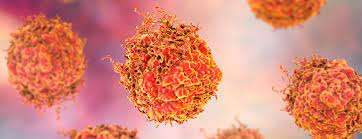
An essential aspect of oncology involves regularly screening individuals at risk for various types of cancers even when they show no symptoms. Early detection increases treatment success rates significantly!
- Symptoms: Many cancers do not present noticeable symptoms until later stages hence regular screening remains vital!
- Diagnosis: Guidelines recommend specific screening tests depending on age groups/family histories including mammograms for breast cancer or colonoscopies targeting colorectal cancers among others!
- Treatment/Management Options: Following positive screenings necessitates further diagnostic evaluations leading toward tailored management plans effectively treating patients sooner rather than later saving lives continuously!
Staying proactive through routine screenings enhances survival chances tremendously paving pathways toward healthier futures especially given ample advancements happening alongside day-to-day innovations within oncological practices!
ENDOSCOPIC RESECTION
A minimally invasive procedure used primarily for early-stage cancers located in easily accessible areas like the gastrointestinal tract. This technique allows surgeons to remove tumors without major incisions.
- Symptoms: Patients may experience bleeding or obstruction depending on tumor location prior to intervention.
- Diagnosis: Endoscopy combined with imaging techniques helps confirm tumor presence before resection is undertaken.
- Treatment/Management Options: Endoscopic mucosal resection (EMR) and endoscopic submucosal dissection (ESD) are typical methods employed during this procedure based upon case complexity.
- What to Expect: Most patients find recovery times shorter compared with traditional surgery; monitoring follows after initial removal ensuring prompt management of any complications that arise post-procedure!
Overall aimed towards effective removal while allowing quicker healing processes simply transforms patient experiences dramatically – all benefiting from advanced technologies available today!
IMMUNOTHERAPY

This method harnesses the body’s own immune system to fight cancer more effectively. By stimulating immune responses against tumors, immunotherapy has changed how some malignancies are treated.
- Symptoms: Possible side effects can vary widely from flu-like symptoms to inflammation in different organs; however, many patients tolerate it well overall.
- Diagnosis: Prior evaluations through imaging and lab tests help determine immunotherapy's suitability based on individual characteristics of their tumors.
- Treatment/Management Options: There are many types available, including checkpoint inhibitors and CAR T-cell therapy; options will be discussed thoroughly with each patient based on their unique situation.
This progressive approach aims not only at treating existing cancers but also at creating lasting immunity against recurrences as well!
TARGETED THERAPY
This innovative approach focuses on attacking specific molecular targets associated with cancer. Targeted therapies can stop or slow down the growth of tumors more precisely than traditional methods.
- Symptoms: Side effects vary but may include diarrhea, liver problems, or skin issues which are often less severe than those experienced with traditional chemotherapy.
- Diagnosis: Genetic testing of tumor samples helps identify potential targets for therapy and ensures an appropriate match between drugs and patient profiles.
- Treatment/Management Options: Depending on the results, treatments often involve oral medicines that can be taken at home, reducing hospital visits significantly.
- What to Expect: Regular monitoring through blood tests and scans allows adjustments to therapy if needed for maximum effectiveness.
This precision medicine approach aims at reducing side effects while improving outcomes significantly for patients with different types of cancers.
RADIATION THERAPY
This form of treatment utilizes high doses of radiation to kill cancer cells or hinder their growth. It is specifically designed to target tumors while minimizing damage to surrounding healthy tissue.
- Symptoms: Common side effects include skin irritation at the site treated, fatigue, and localized pain in certain cases.
- Diagnosis: Before initiating radiation therapy, detailed imaging studies help create a tailored treatment plan suited for the patient's specific needs.
- Treatment/Management Options: Treatments may involve external beam radiation or internal radiotherapy (brachytherapy), depending on the cancer's characteristics.
- What to Expect: Patients typically undergo several sessions over weeks. Regular assessments ensure that any complications are swiftly addressed.
The goal is to shrink tumors effectively while preserving normal bodily functions as much as possible.
CHEMOTHERAPY
Chemotherapy is a systemic treatment that uses powerful medications to target and destroy cancer cells in the body. It can be administered in various forms, including injections or oral medications, and is often used in conjunction with other treatments such as surgery or radiation.
- Symptoms: Patients undergoing chemotherapy may experience fatigue, nausea, hair loss, and an increased risk of infection due to its effect on healthy cells.
- Diagnosis: A thorough evaluation of the patient's health status and cancer type is crucial before starting chemotherapy, involving imaging tests and biopsy results.
- Treatment/Management Options: Chemotherapy regimens can vary widely based on cancer type and stage; these regimens can be customized for the best patient outcomes.
- What to Expect: The effectiveness of chemotherapy will be monitored through regular follow-ups, ensuring any side effects are managed promptly.
This treatment aims to improve survival rates by eliminating cancerous cells while balancing quality of life for patients.
STEM CELL TRANSPLANT
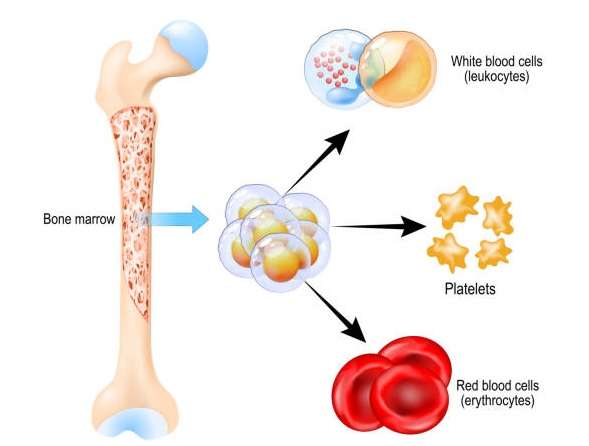
A stem cell transplant, also known as a bone marrow transplant, is a procedure that infuses healthy stem cells into the body to replace damaged or diseased bone marrow. Stem cells are the basic cells of the body that have the potential to develop into many different cell types during early life and growth. In certain cases, they can also repair the body by dividing indefinitely to replenish cells.
Stem cell transplants are used to treat conditions where the bone marrow doesn't work and can't produce healthy blood cells. This could be due to disease (like certain types of leukemia or lymphoma), congenital conditions (like sickle cell anemia or thalassemia), or specific high-dose cancer treatments that destroy the bone marrow along with the cancer cells.
There are two main types of stem cell transplants:
1. Autologous Transplant: This involves using the patient's own stem cells. The cells are harvested, or removed, from the patient before they undergo a treatment (like chemotherapy or radiation) that destroys their bone marrow. After treatment, the patient's stem cells are returned to their body to help their bone marrow start to produce new blood cells.
2. Allogeneic Transplant: This involves using stem cells from a donor. The donor could be a family member, an unrelated donor, or umbilical cord blood. For the transplant to be successful, certain markers on the donated cells (called human leukocyte antigen (HLA) markers) must match the markers on the patient's cells as closely as possible to minimize the risk of complications.
One potential risk in allogeneic transplants is a condition called graft-versus-host disease (GVHD), which occurs when the donor cells attack the patient's own cells as they would a foreign substance.
Recovery from a stem cell transplant can take several months, and the patient will need to be closely monitored for complications. The success of the transplant depends on a range of factors, including the type of disease being treated, the type of transplant, the patient's overall health, and how closely the donor's HLA markers match those of the patient.
HORMONE THERAPY
Hormone therapy, also known as hormonal therapy, endocrine therapy, or hormone-blocking therapy, is a type of treatment that focuses on using drugs to adjust the levels of certain hormones in the body. It's often used as a treatment for cancers that are sensitive to hormones, such as breast cancer and prostate cancer.
Here's how hormone therapy works for these two types of cancer:
1. Breast Cancer: Some breast cancers are fueled by the hormones estrogen and/or progesterone. Hormone therapy for breast cancer works by preventing these hormones from attaching to the cancer cells or by reducing the body's production of these hormones. Examples of drugs used in this therapy include Tamoxifen, which blocks estrogen from binding to cancer cells, and Aromatase inhibitors, which lower the amount of estrogen the body makes.
2. Prostate Cancer: Testosterone, a hormone produced primarily in the testes, can promote the growth of prostate cancer cells. Hormone therapy for prostate cancer works by blocking the production or action of testosterone. This is often achieved through medications known as LHRH agonists or antagonists, or through a surgical procedure known as orchiectomy, which removes the testes.
While hormone therapy can be very effective in treating certain types of cancer, it can also have side effects. These can include menopausal symptoms (like hot flashes and vaginal dryness) for women, and erectile dysfunction, hot flashes, and loss of muscle mass for men. It's important to note that hormone therapy is different from hormone replacement therapy (HRT), which is used to replace hormones that are at low levels due to menopause.
Apart from cancer treatment, hormone therapy can also be used for other conditions and purposes, such as gender-affirming hormone therapy for transgender individuals.
RADIATION THERAPY
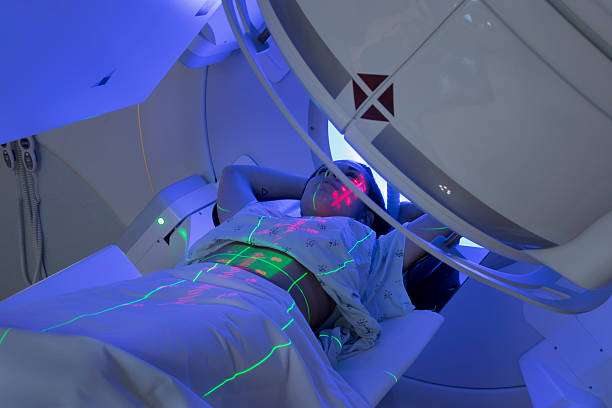
Radiation therapy, also known as radiotherapy, is a common method used to treat cancer. It uses high-energy particles or waves, such as X-rays, gamma rays, or proton beams, to destroy or damage cancer cells. It can be used alone or in conjunction with other treatments like surgery and chemotherapy.
Radiation therapy works by damaging the DNA within cancer cells, making them unable to divide and grow. While it aims to target cancer cells, it can also harm nearby healthy cells. However, normal cells can usually repair much of the radiation-induced damage, whereas cancer cells cannot.
There are two main types of radiation therapy:
1. External Beam Radiation Therapy (EBRT): This is the most common type and involves radiation being delivered from a machine positioned outside the body. The machine rotates around the patient, delivering radiation to the tumor site from several angles. The treatment is usually delivered over several sessions, with each session lasting just a few minutes.
2. Internal Radiation Therapy (Brachytherapy): This involves placing a small radioactive source directly into or near the tumor. The radioactive source can be left temporarily or permanently, depending on the type and stage of cancer being treated.
Radiation therapy can also be used in different contexts: -
Curative Treatment: It can be used with the intent to cure the cancer, either as a standalone treatment or in conjunction with other therapies.
Adjuvant Treatment: After the primary treatment like surgery, radiation therapy can be used to kill any remaining cancer cells.
Neoadjuvant Treatment: Radiation can be given before the primary treatment to shrink a tumor and make it easier to remove or treat.
Palliative Treatment: For advanced cancers, radiation therapy can be used to relieve symptoms caused by the cancer, such as pain or pressure.
The use of radiation therapy has to be carefully planned to maximize its effects on cancer cells and minimize damage to healthy cells. This involves detailed imaging studies to identify the exact location of the tumor and sophisticated computer programs to plan the radiation doses.
Side effects of radiation therapy can include fatigue, mild skin reactions, upset stomach, and loose bowel movements. Most side effects go away a few weeks after treatment is completed. Long-term side effects, which are rare, can include fibrosis, damage to the bowels, or secondary cancers.
CHEMOTHERAPY
Chemotherapy is a type of cancer treatment that uses drugs to destroy or slow down the growth of cancer cells. It is one of the most commonly used treatments for cancer and can be used alone or in combination with other therapies like surgery or radiation therapy.
The primary goal of chemotherapy is to target rapidly dividing cancer cells and prevent them from multiplying further. However, chemotherapy drugs can also affect normal, healthy cells that divide quickly, such as cells in the bone marrow, digestive system, and hair follicles. This is why chemotherapy is associated with side effects like hair loss, nausea, vomiting, fatigue, and an increased risk of infections.
There are various forms of chemotherapy, including:
1. Systemic Chemotherapy: This type of chemotherapy is administered through the bloodstream, and it can reach cancer cells throughout the body. It is often used for cancers that have spread or metastasized to other parts of the body. 2. Regional Chemotherapy: In this approach, chemotherapy is delivered directly to a specific area of the body, such as the abdomen or the chest cavity. This can be done through intraperitoneal or intrathoracic routes, respectively.
3. Adjuvant Chemotherapy: Adjuvant chemotherapy is given after the primary treatment, such as surgery, to reduce the risk of cancer recurrence.
4. Neoadjuvant Chemotherapy: Neoadjuvant chemotherapy is administered before the main treatment, such as surgery or radiation therapy, to shrink a tumor or make it easier to remove.
5. Palliative Chemotherapy: Palliative chemotherapy aims to relieve symptoms and improve the quality of life in patients with advanced or metastatic cancer. It does not cure cancer but can help control its growth and manage related symptoms.
The specific chemotherapy drugs used depend on the type of cancer being treated, its stage, the overall health of the patient, and other individual factors. Chemotherapy is typically given in cycles, with periods of treatment followed by periods of rest to allow the body to recover from the effects of the drugs.
While chemotherapy can be highly effective in treating certain types of cancer, it may not be the best treatment option for all cases. Oncologists carefully consider the potential benefits and risks of chemotherapy for each patient and may recommend other treatment approaches depending on the specific circumstances.