
Dr Abhishek Saxe
About Me
Dr Abhishek Saxe
MS
Orthopaedic Surgeons
Biography
My Clinic
OPD Hours
| Monday | Morning | 10:00 AM | - | 02:00 PM |
| Evening | 06:00 PM | - | 09:00 PM | |
| Tuesday | Morning | 10:00 AM | - | 02:00 PM |
| Evening | 06:00 PM | - | 09:00 PM | |
| Wednesday | Morning | 10:00 AM | - | 02:00 PM |
| Evening | 06:00 PM | - | 09:00 PM | |
| Thursday | Morning | 10:00 AM | - | 02:00 PM |
| Evening | 06:00 PM | - | 09:00 PM | |
| Friday | Morning | 10:00 AM | - | 02:00 PM |
| Evening | 06:00 PM | - | 09:00 PM | |
| Saturday | Morning | 10:00 AM | - | 02:00 PM |
| Evening | 06:00 PM | - | 09:00 PM | |
| Sunday | Morning | 10:00 AM | - | 02:00 PM |
| Evening | 06:00 PM | - | 09:00 PM |
Treatments
Specialised care and treatments offered
ROTATOR CUFF INJURIES
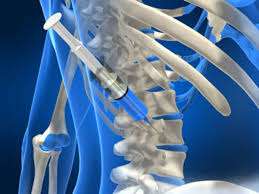
The rotator cuff is a group of muscles stabilizing the shoulder joint; injuries here lead to chronic shoulder pain affecting daily activities significantly
- Pain Manifestation: Patients usually experience dull ache within shoulder especially noticeable when reaching overhead lifting objects.
- Injury Mechanisms: Commonly arises either from acute trauma athletics repetitive overhead motions contributing gradually.
- Diagnostic Work-Up: Accurate diagnosis requires clinical evaluation along with imaging techniques primarily MRI assessing degree nature injury well as rule out other issues.
- Management Options: Non-operative management involves physiotherapy corticosteroid injections whereas surgery might be necessary depending upon tear complexity recovery needs.
Understanding your condition alongside suitable treatment avenues prepares you better towards achieving successful outcomes post-injury resolution.
OSTEOPOROSIS SCREENING
This condition weakens bones over time making them more susceptible to fractures. Screening plays an essential role in identifying individuals at risk before significant damage occurs.
- Risk Factors: Risk factors include advanced age especially post-menopause women family history low body weight certain medications among others.
- Diagnostic Tests: The most reliable method for screening involves dual-energy X-ray absorptiometry (DEXA) which measures bone density effectively providing insight into bone health.
- Treatment Interventions: Management could consist of lifestyle changes incorporating calcium Vitamin D supplementation Bisphosphonates hormones where indicated.
Regular screenings are vital especially for those at higher risk ensuring timely interventions mitigate fracture risks associated with osteoporosis.
MENISCUS TEAR

The meniscus is a C-shaped cartilage cushioning the knee joint. Tears can occur due to traumatic injury or degeneration over time leading to significant discomfort during mobility.
- Pain Indicators: Typical signs include localized knee pain with swelling that worsens with activity. Clicking sounds may also be present during knee movements.
- Causative Elements: Meniscus tears are often linked to sports-related impacts but may also result from degenerative changes in older adults' knees.
- Differential Diagnosis:An orthopaedic specialist will conduct physical tests alongside imaging studies like MRI for definitive assessment of tears
- Management Techniques: Non-surgical methods could involve physical therapy aimed at strengthening surrounding muscles while surgical options could be recommended based on severity.
Early identification and appropriate management are key for optimal recovery from meniscus tears.
TENDON INJURIES

Tendon injuries occur when tendons connecting muscles to bones are strained or torn. Such injuries can result in significant pain and functional limitations in movement.
- Main Symptoms: Patients typically report localized pain around joints or muscles involved in movement along with swelling and bruising in some cases.
- Causative Conditions: Tendon injuries can happen during sudden movements or prolonged overuse due to repetitive activities like sports or heavy lifting.
- Disease Evaluation: A comprehensive evaluation includes physical exams focusing on movement capability coupled with imaging studies like ultrasound to visualize tendon integrity.
- Treatment Approaches: Initial management often involves rest and ice application; more severe cases might require physical therapy or surgical repair if the tendon is severely damaged.
Timely diagnosis plays a critical role in successful rehabilitation of tendon injuries.
FRACTURE DIAGNOSIS

A fracture occurs when a bone is broken due to trauma or injury. Identifying the type and extent of a fracture is crucial for effective treatment and recovery.
- Common Symptoms: Symptoms often include severe pain at the injury site, swelling, bruising, and difficulty using the affected limb.
- Causative Factors: Fractures can result from falls, sports injuries, accidents, or conditions that weaken bones such as osteoporosis.
- Diagnostic Procedures: Physicians typically use X-rays as the first line of investigation; however, CT scans or MRIs may also be employed for complex fractures.
- Treatment strategies: Treatment options range from immobilization using casts to surgical interventions for severe fractures requiring realignment or fixation.
A prompt assessment will ensure appropriate treatment is initiated to promote healing and restore function.
ARTHRITIS

Arthritis is a common condition affecting millions worldwide, characterized by inflammation of the joints. This condition can cause significant pain and discomfort, limiting mobility and impacting daily activities.
- Symptoms: Common symptoms include joint stiffness, swelling, reduced range of motion, and pain that worsens with activity.
- Causes: Arthritis can stem from various sources including age, genetics, joint injuries, and autoimmune disorders.
- Diagnosis: An accurate diagnosis involves a thorough medical history review, physical examination, and imaging studies like X-rays or MRIs to assess joint damage.
- Treatment Options: Management may include medications for pain relief, physical therapy to enhance strength and flexibility, and lifestyle modifications like weight management.
- Surgical Interventions: In advanced cases, procedures such as arthroscopy or joint replacement may be considered.
Seeking early intervention can significantly improve quality of life for those suffering from arthritis.