
Dr Aboli Dahake
About Me
Dr Aboli Dahake
Pediatrician
Biography
My Clinic
OPD Hours
| Tuesday | Morning | 10:00 AM | - | 02:00 PM |
| Evening | 06:00 PM | - | 09:00 PM | |
| Wednesday | Morning | 10:00 AM | - | 02:00 PM |
| Evening | 06:00 PM | - | 09:00 PM | |
| Thursday | Morning | 10:00 AM | - | 02:00 PM |
| Evening | 06:00 PM | - | 09:00 PM | |
| Friday | Morning | 10:00 AM | - | 02:00 PM |
| Evening | 06:00 PM | - | 09:00 PM | |
| Saturday | Morning | 10:00 AM | - | 02:00 PM |
| Evening | 06:00 PM | - | 09:00 PM | |
| Sunday | Morning | 10:00 AM | - | 02:00 PM |
| Evening | 06:00 PM | - | 09:00 PM | |
| Thursday | Morning | 10:00 AM | - | 02:00 PM |
| Evening | 06:00 PM | - | 09:00 PM |
Treatments
Specialised care and treatments offered
ALLERGIES

Pediatric allergies encompass reactions triggered by substances like food allergens or environmental elements affecting children’s wellbeing. Identifying the source of allergies plays an integral role in ensuring safety during everyday activities!
- Symptoms could manifest as nasal congestion , sneezing , rashes , stomach upset , etc., depending on what triggers each child !
Fostering educational approaches regarding allergy management empowers families enabling them towards healthier living environments & overall safety awareness! '
ECZEMA

Eczema is a prevalent skin condition that causes red itchy patches on the skin which can affect infants through adolescence. Recognizing eczema early helps manage flare-ups effectively throughout childhood.
- This condition often presents itself as dry skin leading to intense itching which might cause discomfort during sleep.' '
- Diagnosis generally involves reviewing family history along with careful examination of the affected areas by healthcare providers; patch testing might be conducted if allergy triggers are suspected.' '
- Treatment typically includes topical corticosteroids to reduce inflammation alongside moisturizers that help maintain skin hydration levels.'
- 'Recognizing triggers such as harsh soaps or environmental factors assist parents in managing expressions effectively!' '
- Developing coping strategies like keeping nails trimmed prevents scratching that exacerbates irritation.' '
Proactive skincare routines designed around individual needs ensure healthier & comfortable skin conditions for your child!'
COMMON COLD

The common cold is caused by various viruses affecting the upper respiratory system. It's particularly prevalent among children who often contract colds due to developing immune systems.
- An array of symptoms includes runny nose, cough, sore throat, sneezing, and mild fever which typically resolve within 7-10 days.
- A healthcare provider diagnoses a cold based primarily on a physical examination rather than specific tests since it’s usually self-limiting.
- Treatment focuses on alleviating symptoms through rest, hydration, over-the-counter medications for pain relief or congestion reduction.
- Siblings often catch colds easily; hence teaching hygiene practices becomes critical!
- Caution against antibiotics is necessary as they are ineffective against viral infections like the cold!
If symptoms persist beyond typical recovery time or worsen unexpectedly seeking medical advice would be prudent for potential complications!
NUTRITION MANAGEMENT IN CHILDREN
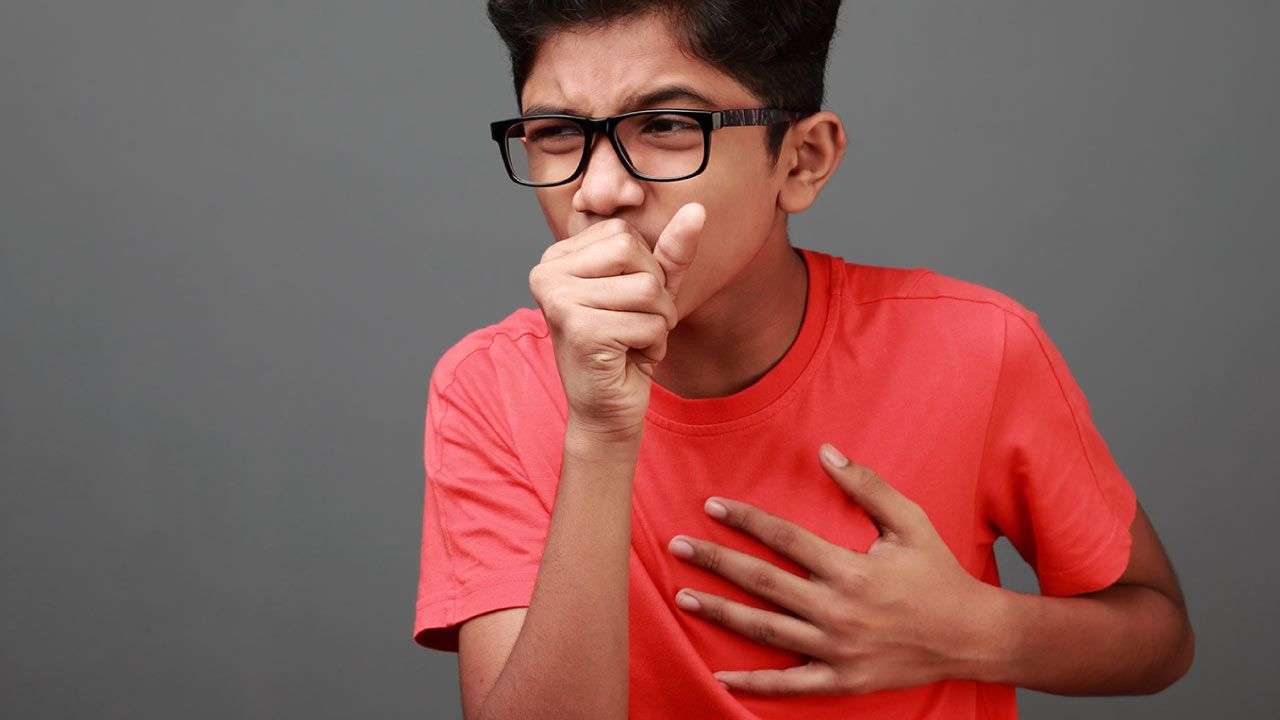
A balanced diet is vital for children's growth and development. Proper nutrition assists in physical health and cognitive function among younger populations. It's essential to promote healthy eating habits from an early age.
- Poor nutrition may lead to issues like obesity, anemia, or developmental delays; thus recognizing signs of nutritional deficiency is important.
- A pediatrician can diagnose deficiencies through blood tests or dietary assessments based on the child's eating habits.
- Nutritional management may include detailed meal plans, supplementation when necessary, or referrals to specialists such as dietitians.
- A healthy diet should consist of fruits, vegetables, whole grains, proteins, and dairy while limiting sugar intake!
- Creating positive mealtime environments encourages healthy eating patterns that can last a lifetime.
The focus should be on fostering enjoyable relationships with food while meeting nutritional needs for optimal growth.
ATTENTION DEFICIT HYPERACTIVITY DISORDER (ADHD)
ADHD is a neurological condition characterized by difficulty paying attention, hyperactivity, and impulsiveness. Early intervention can have a significant impact on a child's development and education.
- Symptoms include difficulties with focus, excessive movement, and challenges in organizing tasks.
- A comprehensive evaluation involving observations, parent and teacher questionnaires, and sometimes psychological testing helps pinpoint ADHD.
- Treatment options might include behavioral therapy, medication like stimulants, or a combination of both tailored to the child's needs.
- Working closely with educators can also support learning strategies that benefit children with ADHD.
- Engaging in regular physical activity can help manage symptoms effectively alongside other interventions.
The goal of treatment is to enhance your child's focus while reducing disruptive behaviors for improved daily functioning.
ASTHMA
Asthma is a chronic condition that affects the airways in the lungs. It can occur at any age, but many children are diagnosed early. Understanding asthma is crucial for managing its symptoms and ensuring a child leads an active life.
- Symptoms may include coughing, wheezing, shortness of breath, and chest tightness.
- The condition is typically diagnosed through medical history, physical examinations, and tests like spirometry to measure lung function.
- Treatment often involves inhalers to relieve symptoms and long-term medications to control inflammation.
- Management of asthma includes avoiding triggers such as allergens or smoke, and creating an action plan with healthcare providers.
- Regular follow-ups are essential to monitor the child’s condition and adjust treatment as needed.
With proper management, children with asthma can participate in sports and activities without worrying about their health.