
Dr Achal Kumar
About Me
Dr Achal Kumar
MD
Dermatologist
10 Years Experience
Biography
My Clinic
OPD Hours
| Monday | Morning | 10:00 AM | - | 02:00 PM |
| Evening | 06:00 PM | - | 09:00 PM | |
| Tuesday | Morning | 10:00 AM | - | 02:00 PM |
| Evening | 06:00 PM | - | 09:00 PM | |
| Wednesday | Morning | 10:00 AM | - | 02:00 PM |
| Evening | 06:00 PM | - | 09:00 PM | |
| Thursday | Morning | 10:00 AM | - | 02:00 PM |
| Evening | 06:00 PM | - | 09:00 PM | |
| Friday | Morning | 10:00 AM | - | 02:00 PM |
| Evening | 06:00 PM | - | 09:00 PM | |
| Saturday | Morning | 10:00 AM | - | 02:00 PM |
| Evening | 06:00 PM | - | 09:00 PM | |
| Sunday | Morning | 10:00 AM | - | 02:00 PM |
| Evening | 06:00 PM | - | 09:00 PM |
Treatments
Specialised care and treatments offered
HYPERPIGMENTATION
This condition leads to darkened areas on the skin due to excess melanin production. Many people experience hyperpigmentation at some point in their lives; it's important to understand its causes for effective treatment options available today!
- Possible Causes: Sun exposure , hormonal changes (like pregnancy), post-inflammatory responses after injury could lead towards these dark patches appearing visibly !
- Diagnostic Measures: Your doctor will likely assess history while examining spots closely; additional tests might be requested if deemed necessary .
- Treatment Options: Treatment methods often involve topical agents targeting pigmentation , chemical peels , or laser treatments focusing at removing darkness effectively.making choices based upon individuals needs while looking great!
Developing personalized approaches collectively builds confidence ultimately allowing patients exploring diverse methods battling hyperpigmented areas challenging existing norms positively !
ROSACEA
This chronic facial skin condition commonly presents as redness on the cheeks and nose. Often mistaken for acne or sunburn, rosacea has specific triggers that vary widely among individuals which makes management unique from person to person.
- Main Symptoms: Persistent redness in facial areas alongside possible acne-like breakouts are characteristic signs of rosacea!
- Causative Factors: Known triggers include sunlight exposure, hot beverages, spicy foods, or emotional stress which exacerbate symptoms—identifying them helps in management!
Understanding personal triggers through patient education allows better handling of everyday challenges relating specifically towards rosacea management!
SKIN ALLERGIES
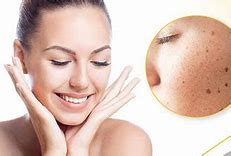
A skin allergy occurs when your immune system reacts abnormally to a substance that comes into contact with your skin. This response can result in discomfort and visible signs that require attention for relief.
- Common Symptoms: These include redness, swelling, rashes, or blistering at the site of contact with allergens like poison ivy or certain metals.
- The Diagnostic Process: Allergists often perform patch testing to identify specific allergens triggering reactions.
- Treatment Methods: Management usually involves avoiding identified triggers along with antihistamines or topical corticosteroids to alleviate symptoms during flare-ups.
A comprehensive understanding of allergens is essential for effective management and prevention of recurring issues related to this allergy type.
PSORIASIS
This autoimmune disorder leads to rapid skin cell production that manifests as scaly patches on various body parts. Psoriasis can significantly impact quality of life with its visible symptoms.
- Symptoms: Characterized by thickened red patches covered with silvery scales; it may sometimes itch or cause discomfort.
- Diagnosis techniques: A visual exam followed by a biopsy if necessary assists in confirming diagnosis.
- Treatment options: Treatments range from topical therapies such as corticosteroids to phototherapy and systemic medications for severe cases.
- Coping methods: Regular follow-ups with a dermatologist can help manage flare-ups effectively through tailored treatment plans.
A proactive approach is essential for managing symptoms and improving overall well-being in individuals affected by psoriasis.
ECZEMA
Eczema is a chronic condition characterized by inflamed, itchy patches of skin. It commonly affects children but can persist into adulthood. This condition often requires ongoing management to soothe the symptoms effectively.
- Symptoms: Redness, dryness, and intense itching are common; these can appear anywhere on the body.
- Causes: Triggers include allergens, stress, or environmental factors that irritate the skin.
- Treatment pathways: Treatment may involve applying emollients regularly and using corticosteroid creams during flare-ups.
- Management Tips: Avoiding known irritants and maintaining a moisturized skin routine are crucial for long-term relief.
An individualized approach often yields the best results in managing this condition.
ACNE
Acne is a common skin condition that affects individuals of all ages, particularly teenagers. It occurs when hair follicles become clogged with oil and dead skin cells, leading to the formation of pimples, blackheads, and cysts.
- Symptoms: These may include various forms of lesions like whiteheads, blackheads, and inflammatory papules.
- Diagnosis: A dermatologist typically examines the skin and may inquire about medical history and lifestyle factors.
- Treatment options: Management can include topical treatments like retinoids, antibacterial creams, or oral medications such as antibiotics to reduce inflammation.
- What to expect: While treatment can significantly improve skin appearance, it may take several weeks for results to be noticeable. Consistency in treatment is vital for success.
Seeking professional advice can lead to tailored strategies that effectively address this common issue.