
Dr Achala
About Me
Dr Achala
MS
Orthopaedic Surgeons
10 Years Experience
Biography
My Clinic
OPD Hours
| Monday | Morning | 10:00 AM | - | 02:00 PM |
| Evening | 06:00 PM | - | 09:00 PM | |
| Tuesday | Morning | 10:00 AM | - | 02:00 PM |
| Evening | 06:00 PM | - | 09:00 PM | |
| Wednesday | Morning | 10:00 AM | - | 02:00 PM |
| Evening | 06:00 PM | - | 09:00 PM | |
| Thursday | Morning | 10:00 AM | - | 02:00 PM |
| Evening | 06:00 PM | - | 09:00 PM | |
| Friday | Morning | 10:00 AM | - | 02:00 PM |
| Evening | 06:00 PM | - | 09:00 PM | |
| Saturday | Morning | 10:00 AM | - | 02:00 PM |
| Evening | 06:00 PM | - | 09:00 PM | |
| Sunday | Morning | 10:00 AM | - | 02:00 PM |
| Evening | 06:00 PM | - | 09:00 PM |
Treatments
Specialised care and treatments offered
LUMBAR DISC HERNIATION
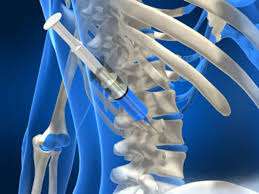
Lumbar disc herniation occurs when one of the discs between vertebrae bulges outwards due to wear-and-tear or injury. This displacement can compress nearby nerves leading to a variety of symptoms affecting mobility significantly if left untreated.
- Symptoms may include lower back pain radiating down into legs along with numbness or weakness in extremities.
- Diagnosing this condition typically involves imaging tests such as MRIs providing insights into disc health status.
- Management strategies encompass physiotherapy focusing on core strength building alongside analgesics aimed at minimizing discomfort.
- Regarding more severe cases where neurological function is compromised urgently may require surgical intervention for decompression.
Early intervention remains key toward preserving overall spine health while minimizing long-term complications arising from untreated herniated discs.
PLANTAR FASCIITIS TREATMENT

This common foot condition involves inflammation of the plantar fascia—a thick band of tissue connecting the heel bone to the toes. It often manifests as heel pain during initial steps in the morning or after prolonged sitting periods.
- Main symptoms consist of sharp heel pain that diminishes throughout the day but re-emerges after rest periods.
- A detailed medical history along with a physical exam helps establish an accurate diagnosis.
- Treatment usually begins with conservative measures like stretching exercises and orthotics for arch support; ice application can also alleviate inflammation significantly.
- Corticosteroid injections might be considered if these approaches do not yield adequate relief over time; surgery is rarely needed but may be an option for severe cases that do not respond to nonsurgical treatment strategies.
A combination of patience and adherence to prescribed therapies plays a significant role in achieving long-term success in overcoming plantar fasciitis-related challenges!
OSTEOARTHRITIS MANAGEMENT

This degenerative joint disease affects millions and is characterized by the breakdown of cartilage. Managing osteoarthritis effectively requires a multifaceted approach tailored to individual needs.
- Common symptoms include joint stiffness, swelling, and increased pain with activity over time.
- An accurate diagnosis is determined through patient history and imaging techniques such as X-rays or MRIs showing cartilage loss.
- Treatment options incorporate lifestyle modifications, weight management strategies, and physical exercise programs aimed at enhancing flexibility and strength.
- Pain relief may also come from nonsteroidal anti-inflammatory drugs (NSAIDs) or topical treatments applied directly to affected areas.
An ongoing dialogue with healthcare providers ensures that patients remain informed about managing their osteoarthritis effectively throughout its progression.
CARPAL TUNNEL SYNDROME

This condition arises from pressure on the median nerve as it travels through the wrist's carpal tunnel. Symptoms typically manifest in the hands and fingers.
- Patients usually experience tingling, numbness, or weakness in their hand—especially at night or after extended use.
- A comprehensive assessment including nerve conduction studies helps confirm diagnosis.
- Treatment options can vary from wrist splinting at night to corticosteroid injections for inflammation reduction.
- If symptoms persist despite conservative measures, surgical options are available to relieve nerve compression.
The early recognition of symptoms plays a crucial role in preventing further complications associated with this syndrome.
SHOULDER IMPINGEMENT SYNDROME

This condition occurs when the tendons of the rotator cuff become irritated and inflamed due to frequent overhead activities. It often leads to pain during shoulder movements.
- Common symptoms include shoulder pain that worsens with lifting or reaching tasks.
- A thorough clinical evaluation and imaging tests like X-rays or MRI are used for diagnosis.
- Treatment often includes rest, physical therapy focused on strengthening shoulder muscles, and anti-inflammatory medications.
- Corticosteroid injections may be considered in chronic cases to provide relief.
- Surgical intervention might be necessary if conservative management fails.
A proper understanding of this syndrome can lead individuals towards effective management strategies and improved outcomes.
KNEE ARTHROSCOPY

Knee arthroscopy is a minimally invasive surgical procedure that allows doctors to diagnose and treat various knee disorders. This technique uses a small camera, known as an arthroscope, which is inserted into the knee joint through tiny incisions.
- Symptoms of conditions treated include persistent knee pain, swelling, or difficulty in movement.
- Diagnosis typically involves physical examinations, MRI scans, or X-rays to assess joint damage.
- Treatment options often include cartilage repair, meniscectomy, or removal of loose bodies within the joint.
- Post-operative care may involve physical therapy to restore mobility and strength.
- Patients can expect a shorter recovery time compared to traditional surgical methods.
This procedure not only alleviates pain but also enhances the functionality of the knee joint.