
Dr Achyut D Joshi
About Me
Dr Achyut D Joshi
Anesthesiologist
Biography
My Clinic
OPD Hours
| Tuesday | Morning | 10:00 AM | - | 02:00 PM |
| Evening | 06:00 PM | - | 09:00 PM | |
| Wednesday | Morning | 10:00 AM | - | 02:00 PM |
| Evening | 06:00 PM | - | 09:00 PM | |
| Thursday | Morning | 10:00 AM | - | 02:00 PM |
| Evening | 06:00 PM | - | 09:00 PM | |
| Friday | Morning | 10:00 AM | - | 02:00 PM |
| Evening | 06:00 PM | - | 09:00 PM | |
| Saturday | Morning | 10:00 AM | - | 02:00 PM |
| Evening | 06:00 PM | - | 09:00 PM | |
| Sunday | Morning | 10:00 AM | - | 02:00 PM |
| Evening | 06:00 PM | - | 09:00 PM | |
| Thursday | Morning | 10:00 AM | - | 02:00 PM |
| Evening | 06:00 PM | - | 09:00 PM |
Treatments
Specialised care and treatments offered
POSTOPERATIVE NAUSEA & VOMITING (PONV) MANAGEMENT
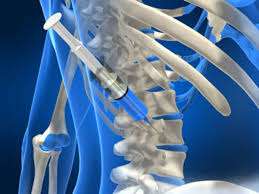
PONV is a common complication following surgery that can greatly affect recovery time. Proper management strategies are crucial in providing comfort after a surgical procedure where general or regional anesthesia was utilized..
PEDIATRIC ANESTHESIA

Pediatric anesthesia involves special considerations when administering anesthesia to children due to their unique physiological responses. The goal is always to provide safe and effective care tailored specifically for younger patients undergoing surgical procedures.
This includes understanding how medications affect children differently than adults.ANESTHESIA FOR OBESE PATIENTS

Anesthesia management in obese patients requires careful consideration due to potential complications during surgery. Obesity poses unique challenges that necessitate tailored approaches to ensure patient safety and effective pain management postoperatively.
- Difficulties: Obese individuals may have increased risks related to airway management and cardiovascular stability during anesthesia induction.
- Anesthetic Choices: Anesthetics must be selected based on individual weight categories and associated health issues like sleep apnea or diabetes.
- A focus on postoperative care helps improve recovery rates by addressing common concerns faced by obese patients once they return home post-surgery.
SEDATION TECHNIQUES

Sedation techniques are vital in various medical procedures to ensure patient comfort and cooperation. These methods help manage anxiety while providing adequate pain control and relaxation.
- Indications: Sedation is commonly used during minor surgical interventions or diagnostic procedures like endoscopies.
- Candidates: Both healthy individuals and those with anxiety disorders can benefit from sedation options.
- Titration: Dosages are carefully adjusted to meet individual patient needs throughout the procedure without compromising safety.
REGIONAL ANESTHESIA

Regional anesthesia involves blocking sensation in a specific area of the body during surgical procedures. It is used extensively to manage postoperative pain and reduce the need for general anesthesia.
- Types: Common techniques include spinal and epidural anesthesia, which target nerves in the lower body.
- Application: This method is particularly effective for lower limb surgeries such as knee replacements.
- Benefits: Patients may experience faster recovery times and less postoperative discomfort compared to general anesthesia.
- Dosing: The amount of anesthetic used is tailored based on patient needs and procedure type.
The use of regional anesthesia provides a safer alternative by minimizing systemic effects while enhancing pain control during recovery.
CHRONIC PAIN MANAGEMENT

Chronic pain can significantly impact a person's quality of life. This condition persists for months or even years, often making daily activities challenging. Understanding and managing this type of pain is essential for improving overall well-being.
- Symptoms: Patients may experience ongoing discomfort, fatigue, and emotional distress.
- Causes: Chronic pain can result from previous injuries, surgeries, or conditions like arthritis.
- Diagnosis: A thorough evaluation including medical history, physical examinations, and imaging studies is essential.
- Treatment/Management: Options include medications like analgesics, nerve blocks, physiotherapy, and psychological support.
- Expectations: While complete relief may not always be possible, many patients can achieve significant improvement in their symptoms with appropriate treatment strategies.
An individualized approach to chronic pain management can lead to better outcomes and enhanced daily functioning.