
Dr Adam Kamrudeen
About Me
Dr Adam Kamrudeen
Internal Medicine
Biography
My Clinic
OPD Hours
| Tuesday | Morning | 10:00 AM | - | 02:00 PM |
| Evening | 06:00 PM | - | 09:00 PM | |
| Wednesday | Morning | 10:00 AM | - | 02:00 PM |
| Evening | 06:00 PM | - | 09:00 PM | |
| Thursday | Morning | 10:00 AM | - | 02:00 PM |
| Evening | 06:00 PM | - | 09:00 PM | |
| Friday | Morning | 10:00 AM | - | 02:00 PM |
| Evening | 06:00 PM | - | 09:00 PM | |
| Saturday | Morning | 10:00 AM | - | 02:00 PM |
| Evening | 06:00 PM | - | 09:00 PM | |
| Sunday | Morning | 10:00 AM | - | 02:00 PM |
| Evening | 06:00 PM | - | 09:00 PM | |
| Thursday | Morning | 10:00 AM | - | 02:00 PM |
| Evening | 06:00 PM | - | 09:00 PM |
Treatments
Specialised care and treatments offered
SEPSIS
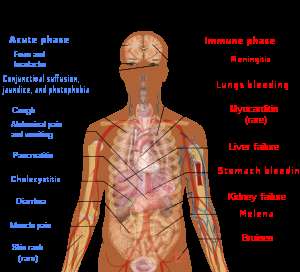
Sepsis is a life-threatening response by the body towards an infection that leads organs progressively shutting down if not treated immediately. Recognizing sepsis early is vital because it can deteriorate rapidly within hours or days post-onset of symptoms.
- Main signs involve confusion about mental status alongside extreme shivering or fever whilst also presenting rapid heartbeat—a clear indicator requiring quick medical evaluation and intervention!
- An urgent assessment usually entails conducting lab tests coupled with imaging studies using ultrasound technology confirming critical findings associated closely related infections within this scenario!
- The first line treatment involves administering intravenous antibiotics rapidly targeting causative agents refocusing precise care delivered few hours following diagnosis–potentially lifesaving!
CIRRHOSIS
Cirrhosis refers to severe scarring of the liver which results from liver disease. Over time, this damage disrupts liver function significantly affecting overall health and metabolism within the body.
- This condition commonly arises from alerting factors, including chronic alcohol abuse or viral hepatitis infections leading to inflammation over time moving towards fibrosis (scarring).
- A healthcare professional may utilize liver function tests combined with ultrasound imaging for accurate detection.
- Treatment typically focuses on managing symptoms and complications; abstaining from alcohol use is crucial in slowing disease progression while medications might be prescribed based on underlying causes or complications present in every individual case.
Cirrhosis demands ongoing monitoring since early intervention can prevent worsening liver damage significantly improving patient outcomes over time.
DIABETES MANAGEMENT
Diabetes is a chronic condition characterized by high blood sugar levels due to insufficient insulin production or action. Managing diabetes effectively is essential to prevent complications over time.
- The major types are Type 1 (autoimmune destruction of insulin-producing cells) and Type 2 (insulin resistance).
- A routine blood test called HbA1c is used regularly to monitor long-term blood sugar levels in diabetes patients.
- Treatment usually incorporates lifestyle modifications—dietary adjustments and regular exercise—alongside medication such as metformin or insulin therapy when necessary.
If managed properly through continuous care, individuals with diabetes can lead fulfilling lives while minimizing risks associated with their condition.
HEART FAILURE
Heart failure is a chronic condition where the heart struggles to pump blood effectively. It doesn't mean that your heart has completely failed but rather that it isn't functioning optimally.
- Main symptoms include shortness of breath, fatigue, swollen legs or abdomen due to fluid buildup.
- The diagnosis is typically done through a combination of physical examinations and imaging techniques like echocardiograms or chest X-rays.
- Treatment often involves lifestyle changes alongside medications such as diuretics or ACE inhibitors to manage symptoms effectively.
A well-structured management plan can help individuals with heart failure maintain a good quality of life despite their condition.
ACUTE KIDNEY INJURY (AKI)
Acute Kidney Injury (AKI) occurs when the kidneys suddenly become unable to filter waste products from the blood. This can lead to dangerous levels of waste accumulation in the body if not addressed promptly.
- The main causes of AKI include dehydration, infections, and certain medications that can harm kidney function.
- A healthcare provider will often order blood tests and urine tests to diagnose AKI accurately.
- Treatment focuses on identifying the underlying cause and may involve rehydration or adjusting medications.
- If renal function does not improve quickly enough, more aggressive interventions such as dialysis may be necessary.
With appropriate management, many individuals regain normal kidney function; prompt action is essential for positive outcomes.
PNEUMONIA
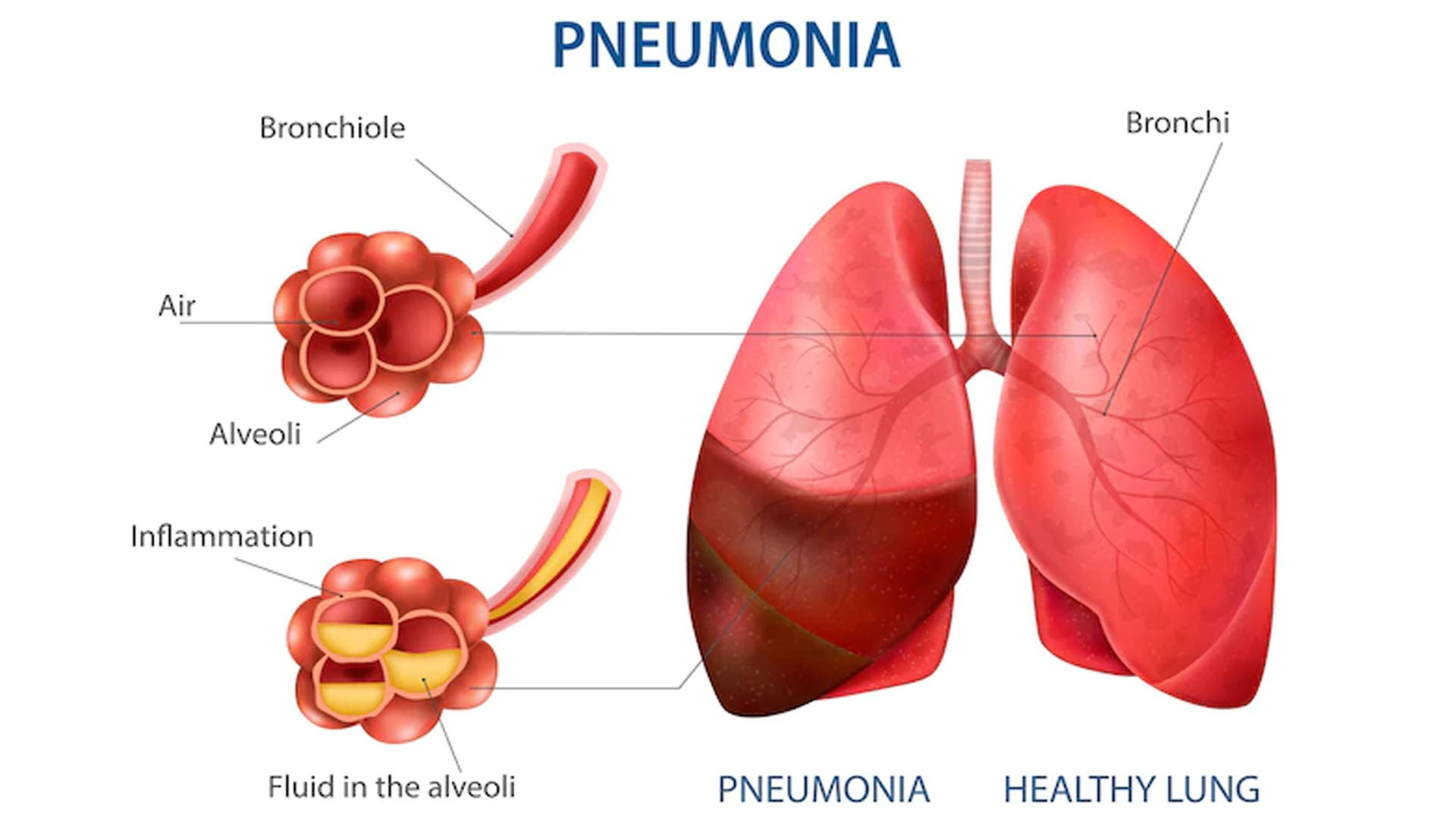
Pneumonia is an infection that inflames the air sacs in one or both lungs, which may fill with fluid. This condition can be caused by various organisms, including bacteria, viruses, and fungi. Understanding pneumonia is crucial for effective treatment and recovery.
- Symptoms often include cough, fever, chills, and difficulty breathing.
- Diagnosis typically involves a physical exam, chest X-rays, and sputum tests to identify the causative agent.
- Treatment options vary but may include antibiotics for bacterial pneumonia or antiviral medications for viral cases.
- Management includes rest, hydration, and sometimes hospitalization for severe cases.
- Recovery time varies depending on the patient's health condition and age.
Pneumonia can be serious but with timely medical intervention, most patients recover fully.