
Dr Adit Mohan Ga
About Me
Dr Adit Mohan Ga
MD
Dermatologist
Biography
My Clinic
OPD Hours
| Monday | Morning | 10:00 AM | - | 02:00 PM |
| Evening | 06:00 PM | - | 09:00 PM | |
| Tuesday | Morning | 10:00 AM | - | 02:00 PM |
| Evening | 06:00 PM | - | 09:00 PM | |
| Wednesday | Morning | 10:00 AM | - | 02:00 PM |
| Evening | 06:00 PM | - | 09:00 PM | |
| Thursday | Morning | 10:00 AM | - | 02:00 PM |
| Evening | 06:00 PM | - | 09:00 PM | |
| Friday | Morning | 10:00 AM | - | 02:00 PM |
| Evening | 06:00 PM | - | 09:00 PM | |
| Saturday | Morning | 10:00 AM | - | 02:00 PM |
| Evening | 06:00 PM | - | 09:00 PM | |
| Sunday | Morning | 10:00 AM | - | 02:00 PM |
| Evening | 06:00 PM | - | 09:00 PM |
Treatments
Specialised care and treatments offered
KERATOSIS PILARIS
Keratosis pilaris (KP) appears as small bumps on the skin often resembling ‘chicken skin’. This benign condition occurs due to hair follicles becoming clogged with keratin protein leading to its characteristic sign
- Symptoms might primarily involve rough patches across arms/thighs but rarely causes discomfort aside from cosmetic concerns .
- A physical examination generally confirms diagnosis without extensive testing unless differential diagnosis required .
- Management focuses on regular exfoliation combined with moisturizing agents which improve overall texture over time .
- Patience is key; visible improvement could take weeks before being noticeable regularly applying treatments consistently yields better results.
- Consulting with a dermatologist about persistent cases helps tailor individualized care plans enriching overall experience coping positively alongside KP challenges.
While keratosis pilaris isn’t harmful understanding it leads towards positive adaptation into daily routines facilitating heightened confidence levels too when faced socially amidst others experiencing similar situations alongside them too !
SKIN INFECTIONS
Skin infections can result from bacteria, fungi or viruses leading to various presentations like redness or fluid-filled blisters. Prompt diagnosis plays an integral role in successful resolution of these conditions
- Common indicators consist of swelling , pus formation , fever depending upon severity .
- Healthcare professionals usually identify infections through visual assessment ; cultures might aid when needed .
- Treatment ranges from topical antifungals/antibiotics depending upon infection type hence doctor consultation remains critical .
- Proper hygiene practices contribute greatly towards prevention & minimizing recurrence .
- Continuity regarding follow-up evaluations ensures adequate healing while addressing any arising complications swiftly .
Through education & appropriate intervention , many types of skin infections can be effectively managed reducing patient distress significantly .
CONTACT DERMATITIS
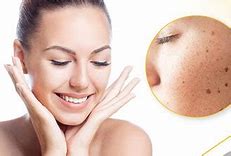
Contact dermatitis arises from an allergic reaction or irritation due to contact with certain substances. Recognizing the trigger is vital for effective treatment outcomes.
- Symptoms usually involve red rashes located at the site of contact along with blistering or peeling skin in severe cases.
- Diagnosis typically relies on medical history regarding exposure followed by patch testing for suspected allergens.
- Treatment mainly includes avoiding identified triggers combined with topical corticosteroids to alleviate inflammation.
- Emollients are beneficial as they help repair the skin barrier function while soothing irritation.
- Regular follow-ups may be necessary to monitor progress or adjust treatment plans accordingly.
Identifying causative factors empowers patients towards manageable approaches against contact dermatitis.
ACNE VULGARIS
Acne vulgaris is a prevalent dermatological issue impacting individuals during adolescence and adulthood. Understanding this multifaceted condition helps in effective management strategies.
- Typical symptoms include comedones (blackheads/whiteheads), papules, pustules, and cystic lesions that may result in scarring if untreated.
- A clinical evaluation helps diagnose acne based on appearance; occasionally hormonal tests may be warranted for persistent cases.
- Treatment options encompass topical retinoids, oral antibiotics for inflammation control, or hormonal therapies for hormone-related acne issues.
- Lifestyle modifications including dietary changes may also assist in managing severity of breakouts.
- Patients should know that while acne can be persistent, effective treatments exist to minimize its impact on their lives.
Courageously addressing acne early gives patients the best chance at clear skin over time.
ECZEMA
Eczema, or atopic dermatitis, is a common inflammatory skin condition characterized by dry, itchy skin. It can significantly impact daily activities if not properly managed.
- Symptomatic manifestations often include redness, swelling, and severe itching in localized areas like the face and behind the knees.
- A dermatologist typically diagnoses eczema through history taking and physical examination of the skin.
- Treatment usually involves moisturizers, topical steroids, and avoidance of known irritants or allergens.
- It’s important to establish a skincare routine to maintain skin hydration effectively.
- Eczema may fluctuate; thus ongoing care and follow-up are essential to manage symptoms effectively.
With appropriate care strategies in place, individuals with eczema can manage this condition successfully.
PSORIASIS
Psoriasis is a chronic autoimmune condition that manifests as red, scaly patches on the skin. Its complexity can lead to flare-ups and periods of remission, making patient management essential.
- Common symptoms include inflamed, itchy patches and silvery scales that often appear on elbows, knees, and the scalp.
- The condition is diagnosed through physical examination and sometimes a skin biopsy to confirm its type.
- Treatment options range from topical ointments containing corticosteroids to systemic medications and phototherapy.
- Managing triggers such as stress or certain medications can help reduce flare-ups.
- Patients should expect ongoing monitoring of their condition for optimal management.
Understanding psoriasis is crucial for effective treatment and improving quality of life for those affected.