
Dr Aditi
About Me
Dr Aditi
Dermatologist
Biography
My Clinic
OPD Hours
| Tuesday | Morning | 10:00 AM | - | 02:00 PM |
| Evening | 06:00 PM | - | 09:00 PM | |
| Wednesday | Morning | 10:00 AM | - | 02:00 PM |
| Evening | 06:00 PM | - | 09:00 PM | |
| Thursday | Morning | 10:00 AM | - | 02:00 PM |
| Evening | 06:00 PM | - | 09:00 PM | |
| Friday | Morning | 10:00 AM | - | 02:00 PM |
| Evening | 06:00 PM | - | 09:00 PM | |
| Saturday | Morning | 10:00 AM | - | 02:00 PM |
| Evening | 06:00 PM | - | 09:00 PM | |
| Sunday | Morning | 10:00 AM | - | 02:00 PM |
| Evening | 06:00 PM | - | 09:00 PM | |
| Thursday | Morning | 10:00 AM | - | 02:00 PM |
| Evening | 06:00 PM | - | 09:00 PM |
Treatments
Specialised care and treatments offered
KELOIDS
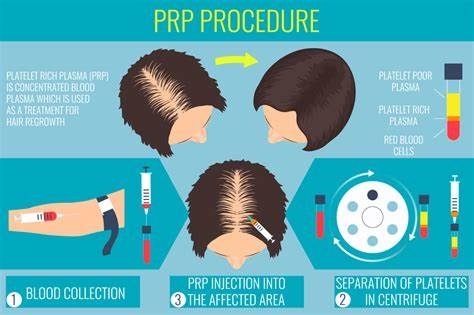
Keloids are raised scars that form due to an overproduction of collagen during healing. They often develop after injuries or surgical procedures but can also arise spontaneously without apparent cause.
- Symptoms : Typically appear as smooth , firm growths that extend beyond the original wound site.
- Causes : Genetics play a significant role; individuals with darker pigmentation tend towards keloid formation post-injury.
- Diagnosis : Physical examination coupled with patient history assists dermatologists in diagnosing keloids.
- Treatment Options : Available methods include corticosteroid injections , silicone gel sheeting , laser therapy aimed at reducing their size & appearance.
- What To Expect : Although keloids might not disappear entirely after treatment procedures; visible improvement & reduced discomfort are common outcomes.
Tackling keloid scars required patience; support from professionals inspires hope toward achieving better results down life ’ s journey!
SKIN TAGS
Skin tags are small benign growths that typically appear in areas where skin rubs against itself. While they are harmless cosmetically for most people, some choose removal for aesthetic reasons or if they become irritated.
- Symptoms : Usually present as soft protrusions on stalks found around the neck , armpits , eyelids , etc .
- Causes : Factors may include genetics , obesity .
- Diagnosis : Often through physical observation by a dermatologist .
- Treatment Options : Removal options range from cryotherapy (freezing)to electrosurgery .
- What to Expect : Post-removal discomfort tends toward minimal; many refrain from experiencing recurrence .
MELASMA
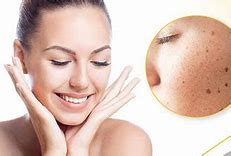
Melasma is characterized by brown or gray-brown patches on the face caused primarily by sun exposure. It usually affects women more than men due to hormonal influences which heighten susceptibility during pregnancy or while using contraceptives.
- Symptoms: The main indicator is discoloration often located on the cheeks, forehead, nose, or chin.
PSORIASIS
Psoriasis is an autoimmune condition that leads to rapid skin cell turnover resulting in thickened patches on the skin surface. These patches can be unsightly and often cause discomfort.
- Symptoms: Psoriasis commonly appears as raised red patches covered with silvery scales; these areas may itch or burn significantly.
- Causes: Genetic factors combined with environmental triggers such as stress or infections often initiate flare-ups.
- Diagnosis: Diagnosis typically includes a physical examination of the affected skin areas by a qualified dermatologist.
- Treatment Options: Treatments range from topical therapies to phototherapy and systemic medications aimed at managing symptoms effectively.
- What to Expect: Many patients find that treatments can help control symptoms effectively while improving overall skin appearance over time.
The journey with psoriasis requires patience and tailored treatments but can lead to significant improvements in daily comfort levels and self-esteem.
ECZEMA
Eczema, or atopic dermatitis, is an inflammatory skin condition characterized by red, itchy patches. It often appears in childhood but can persist into adulthood.
- Symptoms: Commonly manifests as dry, itchy areas on the skin that may weep or crust over during flare-ups.
- Causes: Various triggers such as allergens, irritants, or stress may exacerbate symptoms.
- Diagnosis: A visual examination of the skin along with personal health history helps establish a diagnosis.
- Treatment Options: Common treatments include corticosteroid creams and moisturizers to keep the skin hydrated and reduce inflammation.
- What to Expect: While eczema can be chronic, proper management can lead to long periods of remission and improved quality of life.
Proper understanding and ongoing care are pivotal for those living with eczema. An individualized approach is essential for optimal outcomes.
ACNE
Acne is a common skin condition that affects individuals of all ages, though it is most prevalent among teenagers. It occurs when hair follicles become clogged with oil and dead skin cells, leading to the formation of pimples, cysts, and inflammation.
- Symptoms: Includes whiteheads, blackheads, pustules, and even painful cysts.
- Causes: Factors such as hormonal changes, diet, and certain medications can contribute to acne development.
- Diagnosis: A dermatologist typically examines the skin and may inquire about medical history and lifestyle factors.
- Treatment Options: Management strategies include topical retinoids, antibiotics, or oral medications to reduce inflammation and prevent scarring.
- What to Expect: With consistent treatment, many patients experience significant improvement in their skin condition over time.
Understanding acne is crucial for effective management. Early intervention can help prevent long-term scarring and emotional distress.