
Dr Aditi Sood Kothari
About Me
Dr Aditi Sood Kothari
General Physician
Biography
My Clinic
OPD Hours
| Tuesday | Morning | 10:00 AM | - | 02:00 PM |
| Evening | 06:00 PM | - | 09:00 PM | |
| Wednesday | Morning | 10:00 AM | - | 02:00 PM |
| Evening | 06:00 PM | - | 09:00 PM | |
| Thursday | Morning | 10:00 AM | - | 02:00 PM |
| Evening | 06:00 PM | - | 09:00 PM | |
| Friday | Morning | 10:00 AM | - | 02:00 PM |
| Evening | 06:00 PM | - | 09:00 PM | |
| Saturday | Morning | 10:00 AM | - | 02:00 PM |
| Evening | 06:00 PM | - | 09:00 PM | |
| Sunday | Morning | 10:00 AM | - | 02:00 PM |
| Evening | 06:00 PM | - | 09:00 PM | |
| Thursday | Morning | 10:00 AM | - | 02:00 PM |
| Evening | 06:00 PM | - | 09:00 PM |
Treatments
Specialised care and treatments offered
WEIGHT MANAGEMENT
A healthy weight is integral not just for appearance but also for overall health outcomes. Weight management focuses on achieving a balance between caloric intake and physical activity tailored specifically according each individual's lifestyle needs!
- Symptoms/Causes: Many might notice weight gain through poor dietary habits coupled with sedentary lifestyles leading towards obesity related conditions like diabetes hypertension etc..
- Diagnosis: Body Mass Index (BMI) evaluations alongside waist circumference measurements contribute effectively towards assessing healthy weight ranges individually guided by healthcare professionals helping formulate plans accordingly .
- Treatment/Management: Successful weight management incorporates nutritious meal planning combined appropriately matched exercise regimes while creating realistic goals fostering gradual sustainable changes eventually leading towards beneficial results!
- What To Expect: When adhered consistently over time brings about improved vitality boosts self-confidence reducing risks diseases turning desire into reality achieved positively impacting emotional mental satisfaction endured throughout this entire endeavor !
Your commitment towards achieving lasting results remains paramount driving ultimate success making healthier choices an enjoyable lifestyle rather than temporary fix impacting daily rutines beautifully!
PREVENTIVE HEALTH SCREENINGS

Pursuing regular preventive health screenings plays a vital role in early detection of potential health issues before they become severe concerns. These screenings are personalized based on age and risk factors related to individual health profiles.
- Symptoms/Causes : Generally there are no recognizable symptoms at initial stages; hence preventive screenings become crucial .
- Diagnosis : Early diagnosis might involve routine blood tests , imaging studies , checks for hypertension /diabetes , cancer markers etc., performed periodically as recommended by healthcare providers .
- Treatment / Management : If condition detected early , treatment could range anywhere from simple lifestyle change recommendations , including exercise regimen improvement , all way up until targeted therapies depending upon specific findings .
- What To Expect : Regular screenings help identify risks earlier so patients receive timely care which ultimately enhances overall quality of life while decreasing morbidity rates associated with various diseases over time .
Integrating these vital assessments into one’s healthcare routine enables proactive involvement in one's own wellness journey promoting healthier living habits continuously !
GASTROESOPHAGEAL REFLUX DISEASE (GERD)
This chronic condition occurs when stomach acid frequently flows back into the esophagus. GERD can lead to uncomfortable symptoms that impact quality of life if left unmanaged.
- Symptoms/Causes: Typical symptoms include heartburn, regurgitation of food or sour liquid, difficulty swallowing, and chronic cough. Lifestyle choices such as diet habits contribute significantly to its occurrence.
- Diagnosis: GERD is diagnosed based on symptom history; further testing may involve endoscopy or pH monitoring if necessary for confirmation.
- Treatment/Management: Common management strategies emphasize dietary adjustments (like avoiding spicy foods), weight loss if needed, elevating the head during sleep, along with medications like proton pump inhibitors or antacids when indicated.
SEASONAL ALLERGIES
Seasonal allergies occur when the immune system reacts to pollen from trees, grasses, or weeds. Symptoms can vary from mild irritation to significant discomfort during allergy seasons.
- Symptoms/Causes: Common symptoms include sneezing, runny or stuffy nose, itchy eyes, and fatigue. Triggers come from exposure to allergens in the environment during peak times.
- Diagnosis: Diagnosis may involve discussing symptoms and conducting skin or blood tests to identify specific allergens responsible for reactions.
- Treatment/Management: Treatment options are available ranging from over-the-counter antihistamines to prescribed nasal sprays and avoiding known triggers whenever possible.
- What to Expect: With appropriate management strategies in place, many individuals find relief from their symptoms during allergy season while maintaining their daily activities without interruption.
Coping with seasonal allergies often requires proactive measures combined with effective treatments tailored to individual needs for optimal comfort throughout the year.
DIABETES MANAGEMENT

Effective diabetes management is key to maintaining good health in those living with diabetes, whether Type 1 or Type 2. This chronic condition affects how your body processes glucose.
- Symptoms/Causes: Symptoms can include frequent urination, increased thirst, and fatigue. Causes may involve insulin resistance or autoimmune response for Type 1 diabetes.
- Diagnosis: Diabetes is diagnosed via blood tests measuring glucose levels and hemoglobin A1C.
- Treatment/Management: Treatment often involves dietary modifications, regular physical activity, monitoring blood sugar levels, and sometimes insulin therapy or oral medications.
- What to Expect: Properly managing diabetes can prevent complications such as heart disease and neuropathy while promoting a healthy lifestyle.
A collaborative approach involving regular follow-ups with your healthcare team ensures that your management plan stays effective on this lifelong journey.
HYPERTENSION
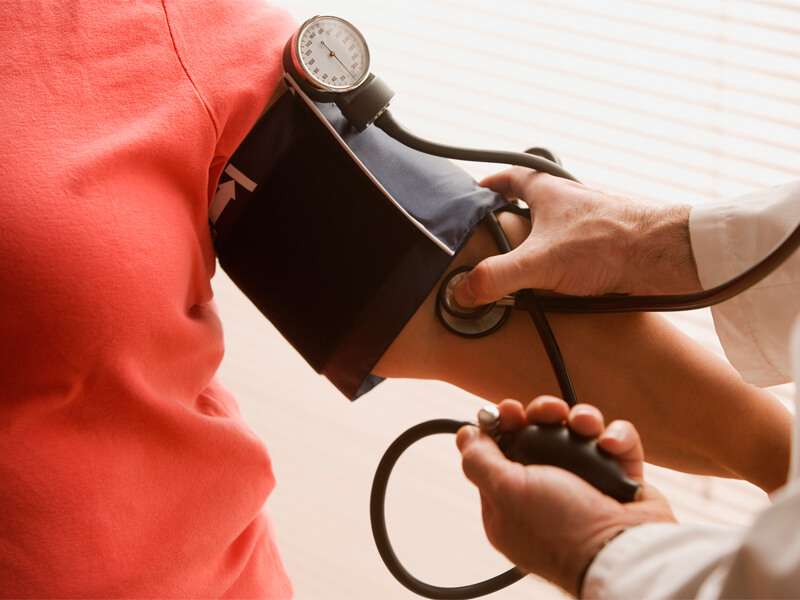
Hypertension, or high blood pressure, is a common condition that often has no symptoms but can lead to serious health issues over time. It's crucial to manage this condition effectively to maintain a healthy lifestyle.
- Symptoms/Causes: Many individuals with hypertension may not experience noticeable symptoms. Causes can include poor diet, lack of exercise, and genetic factors.
- Diagnosis: A healthcare provider will typically diagnose hypertension through regular blood pressure readings taken during visits.
- Treatment/Management: Management includes lifestyle changes such as reducing sodium intake, increasing physical activity, and possibly medication.
- What to Expect: With proper management, patients can expect improved overall health and a significant reduction in the risk of heart disease.
Regular check-ups are essential for monitoring blood pressure levels and adapting treatment as necessary, ensuring ongoing health and well-being.