
Dr Aditya Phadke
About Me
Dr Aditya Phadke
MBBS
General Surgeons
11 Years Experience
Biography
My Clinic
OPD Hours
| Monday | Morning | 09:00 AM | ||
| Evening | 09:00 PM | |||
| Tuesday | Morning | 09:00 AM | ||
| Evening | 09:00 PM | |||
| Wednesday | Morning | 09:00 AM | ||
| Evening | 09:00 PM | |||
| Thursday | Morning | 09:00 AM | ||
| Evening | 09:00 PM | |||
| Friday | Morning | 09:00 AM | ||
| Evening | 09:00 PM | |||
| Saturday | Morning | 09:00 AM | ||
| Evening | 09:00 PM |
Treatments
Specialised care and treatments offered
BOWEL RESECTION

Bowel resection involves removing part of the intestine due to various conditions like cancer, inflammatory bowel disease (IBD), or blockages. It’s essential for restoring normal bowel function when other treatments fail?
- Indicators for this procedure may encompass chronic diarrhea, weight loss associated with IBD flare-ups, and unexplained abdominal pain linked to growths within the intestines).
ENDOSCOPY

An endoscopy involves using a flexible tube with a lighted camera to examine organs like the esophagus or stomach. It's vital for diagnosing gastrointestinal disorders efficiently without extensive surgical procedures.
- Patients may present with symptoms such as persistent indigestion, unexplained weight loss, or abnormal bleeding requiring evaluation through endoscopy.
- The process typically includes sedation for patient comfort during examination; findings can lead directly to further treatment options if needed such as biopsies or polypectomies.
- This technique has significantly advanced diagnostic capabilities while minimizing discomfort compared to traditional approaches related to abdominal exploration procedures.
The key benefits include rapid diagnosis with fewer complications arising from unnecessary exploratory surgeries thereafter.'
DIAGNOSTIC LAPAROSCOPY
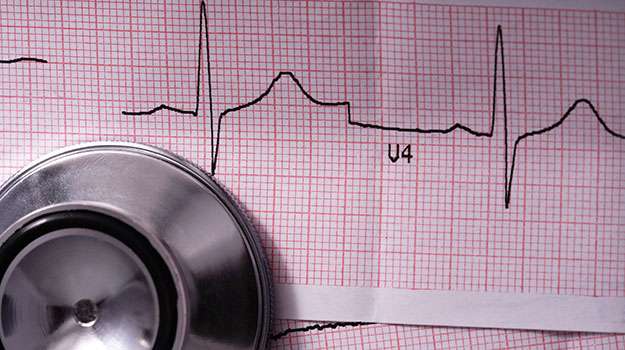
This minimally invasive surgical technique allows doctors to explore the abdominal cavity using a small camera. It provides critical information about unexplained abdominal pain or other conditions that require further investigation without major surgery.
- This technique helps identify causes such as adhesions, tumors, or infections that might not be visible through imaging alone.
- A thin instrument called a laparoscope is inserted through small incisions in the abdomen for direct visualization and potential biopsy if necessary.
- Recovery post-laparoscopy is generally swift due to minimal incisions involved compared to traditional surgeries.
This approach enhances diagnosis accuracy while reducing risks associated with larger surgical procedures.
GALLBLADDER REMOVAL (CHOLECYSTECTOMY)
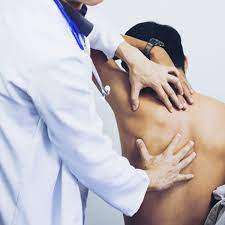
The gallbladder plays a role in digesting fats but can develop problems like gallstones that necessitate its removal. Understanding this procedure is crucial for those experiencing gallbladder-related issues.
- Signs of gallbladder problems include severe abdominal pain, especially after eating fatty meals, along with nausea or jaundice.
- Diagnosis typically involves blood tests and imaging techniques like ultrasound to identify stones or inflammation.
- The standard treatment is a cholecystectomy, which may be conducted using laparoscopic surgery for quicker recovery times.
- Patients can generally return home within hours after surgery and are advised on dietary adjustments post-operation to aid recovery.
This procedure greatly alleviates symptoms related to gallstones and improves quality of life for many individuals.
HERNIA REPAIR
A hernia occurs when an organ pushes through an opening in the muscle or tissue that holds it in place. Surgical intervention is often necessary to correct this condition and prevent further complications.
- Common symptoms include a noticeable bulge in the affected area, discomfort during lifting or bending, and aching sensations.
- A physical exam will usually help diagnose a hernia; imaging studies might be utilized if needed for confirmation.
- Surgery options include open repair or laparoscopic techniques based on the type and size of the hernia.
- The goal of surgery is to relieve discomfort and restore normal function while minimizing recurrence rates.
With successful management, most individuals experience significant relief from symptoms post-surgery.
APPENDICITIS
Appendicitis is the inflammation of the appendix, a small pouch attached to the large intestine. This condition can cause severe abdominal pain and requires prompt medical attention.
- Symptoms include sharp pain in the lower right abdomen, nausea, vomiting, and fever.
- The diagnosis often involves a physical examination and imaging tests, such as an ultrasound or CT scan.
- Treatment typically consists of an appendectomy, which is the surgical removal of the appendix, sometimes performed using minimally invasive techniques.
- Post-surgery, most patients can expect a quick recovery with proper care.
If not treated in a timely manner, appendicitis can lead to complications such as a ruptured appendix.