
Dr Aditya Sachan
About Me
Dr Aditya Sachan
MS
Orthopaedic Surgeons
10 Years Experience
Biography
My Clinic
OPD Hours
| Monday | Morning | 10:00 AM | - | 02:00 PM |
| Evening | 06:00 PM | - | 09:00 PM | |
| Tuesday | Morning | 10:00 AM | - | 02:00 PM |
| Evening | 06:00 PM | - | 09:00 PM | |
| Wednesday | Morning | 10:00 AM | - | 02:00 PM |
| Evening | 06:00 PM | - | 09:00 PM | |
| Thursday | Morning | 10:00 AM | - | 02:00 PM |
| Evening | 06:00 PM | - | 09:00 PM | |
| Friday | Morning | 10:00 AM | - | 02:00 PM |
| Evening | 06:00 PM | - | 09:00 PM | |
| Saturday | Morning | 10:00 AM | - | 02:00 PM |
| Evening | 06:00 PM | - | 09:00 PM | |
| Sunday | Morning | 10:00 AM | - | 02:00 PM |
| Evening | 06:00 PM | - | 09:00 PM |
Treatments
Specialised care and treatments offered
HIP REPLACEMENT SURGERY
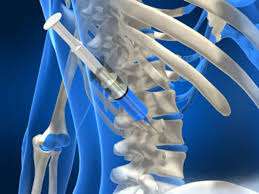
This procedure involves replacing a damaged hip joint with an artificial implant when conservative treatments fail. It aims to alleviate pain while restoring mobility in patients suffering from severe arthritis or serious hip injuries encountered over time .
- Common Indications : Hip replacement surgery addresses chronic pains stemming primarily arising due conditions such degenerative osteoarthritis resulting limitations exerted upon performing daily activities simultaneously exhibiting reduced quality living .
- Diagnosis Process : Assessment includes gathering patient histories coupled thorough evaluations inclusive radiographs through standard X-rays providing clearer insights determines extent involved degeneration surrounding structures .
- Surgical Technique : The operation typically entails removing diseased portions followed replacement adequately formed artificial prosthesis securely affixing resulting minimal scarring compound supporting rehabilitation progress later prescribed therapies regain motion functional independence post-procedure held conviction suited fundamental objectives envisioned overall health enhancement pursuits ultimately desired .
Your journey back restoration sense normalcy commences today exploring comprehensive options reflecting meticulously crafted pathways redirected behalf patients dedicated unseen challenges ahead fulfillment aspirations reignited resilience remarkably attained tomorrow’s horizon!
CARPAL TUNNEL RELEASE

The carpal tunnel syndrome arises from pressure on the median nerve at the wrist, causing tingling sensations or numbness in fingers. Understanding this condition aids in prompt intervention before it becomes debilitating.
- Symptoms: Typical manifestations include numbness in fingers (especially thumb,index,middle) along with weakness gripping objects which may worsen at night due fatigue during wrist flexion.
- Causes : Repeated wrist movements associated with certain occupations along with underlying conditions like diabetes contribute significantly
- Diagnosis : Comprehensive evaluations utilizing patient history accompanied by physical examinations alongside nerve conduction studies assist qualitatively identifying median nerve involvement.
- Treatment Options : Conservative care options such as splinting complemented alongside corticosteroid injections provide relief initially prior consideration towards surgical intervention via open-release technique should conservative measures prove ineffective.
Effective intervention results largely depend upon early detection along consistent engagement methods undertaken immediately presenting key advantages towards overall satisfaction levels .
ARTHROSCOPY

This minimally invasive procedure allows surgeons to diagnose and treat issues within a joint through small incisions. It is commonly used for knee surgeries but can also be performed on shoulders, wrists, elbows, ankles, and hips.
- Conditions Treated: Arthroscopy is effective for meniscal tears, ligament damage, loose bodies within joints, and cartilage problems that cause pain or dysfunction.
- Diagnosis Process: Symptoms usually trigger an initial examination followed by imaging techniques such as MRIs. Arthroscopy itself provides direct visualization of joint conditions.
- Treatment Options: The procedure can include removal of damaged tissue or repair of ligaments in one session under general anesthesia with fast recovery advantages compared to open surgeries.
The use of arthroscopic techniques promotes faster healing times while minimizing postoperative discomforts when appropriately indicated.
LIGAMENT RECONSTRUCTION

Ligament injuries are prevalent among athletes and can lead to instability in joints. Such injuries often require careful evaluation for appropriate management strategies.
- Symptoms: Typically characterized by joint swelling, pain during movement, and pronounced instability during activities involving pivoting or running.
- Diagnosis: A detailed clinical assessment is essential; MRI scans are frequently utilized for precise diagnosis of ligament tears.
- Treatment Options: Treatment ranges from conservative approaches like bracing and physical therapy to surgical reconstruction for severe cases where ligaments are completely torn.
- What to Expect: Recovery involves rehabilitation tailored towards regaining strength and stability; full return to sports may take several months post-surgery.
A proactive approach enhances recovery potential following ligament injuries while limiting long-term complications.
TENDON REPAIR

Tendon injuries often occur due to overuse or acute trauma, leading to pain and limited mobility in the affected area. These structures connect muscles to bones and play a critical role in joint function.
- Symptoms: Signs include pain during movement, swelling around the joint, and difficulty performing normal activities.
- Diagnosis: Physicians typically assess medical history followed by physical examinations; imaging studies like MRIs can help visualize tendon damage.
- Treatment Options: Non-surgical approaches include rest and physiotherapy; surgery may be necessary for complete tears or significant damage.
- What to Expect: Post-surgical rehab focuses on restoring mobility and strength; timelines vary based on injury severity.
Effective management can lead to full recovery of tendon function if addressed promptly.
FRACTURE MANAGEMENT

Fractures are common injuries that occur when a bone breaks due to trauma or stress. They can range from hairline cracks to complete breaks and often cause pain, swelling, and difficulty using the affected limb.
- Symptoms: Common signs include intense pain at the injury site, swelling, bruising, and inability to move the affected area.
- Diagnosis: A thorough physical examination is conducted, often followed by imaging tests such as X-rays or CT scans to determine the location and severity of the fracture.
- Treatment Options: Management may involve immobilization with casts or splints, surgical interventions for severe cases, and rehabilitation exercises post-healing.
- What to Expect: Recovery time varies depending on fracture severity; follow-up appointments are crucial for ensuring proper healing.
Early treatment leads to better outcomes and reduces complications associated with fractures.