
Dr Aditya Soni-Ps
About Me
Dr Aditya Soni-Ps
MD
Psychiatrist
10 Years Experience
Biography
My Clinic
OPD Hours
| Monday | Morning | 10:00 AM | - | 02:00 PM |
| Evening | 06:00 PM | - | 09:00 PM | |
| Tuesday | Morning | 10:00 AM | - | 02:00 PM |
| Evening | 06:00 PM | - | 09:00 PM | |
| Wednesday | Morning | 10:00 AM | - | 02:00 PM |
| Evening | 06:00 PM | - | 09:00 PM | |
| Thursday | Morning | 10:00 AM | - | 02:00 PM |
| Evening | 06:00 PM | - | 09:00 PM | |
| Friday | Morning | 10:00 AM | - | 02:00 PM |
| Evening | 06:00 PM | - | 09:00 PM | |
| Saturday | Morning | 10:00 AM | - | 02:00 PM |
| Evening | 06:00 PM | - | 09:00 PM | |
| Sunday | Morning | 10:00 AM | - | 02:00 PM |
| Evening | 06:00 PM | - | 09:00 PM |
Treatments
Specialised care and treatments offered
MAJOR DEPRESSIVE DISORDER
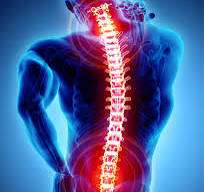
Major Depressive Disorder (MDD) stands apart due its persistent low mood affecting many aspects of life including energy levels/sleep patterns. Individuals may find it hard experiencing joy even during enjoyable activities which leads them into vicious cycles over time..
- Common symptoms consist mainly around feelings hopelessness worthlessness fatigue loss interest hobbies once enjoyed amongst others .
- Diagnosis generally entails comprehensive evaluation exploring family medical histories comprising specific inquiries related current concerns experienced periodically .
- Treatment paths revolve predominantly around regular psychotherapeutic sessions potentially complemented pharmaceutical regimens utilizing antidepressants being prescribed accordingly address individual cases .
- Engaging support networks friends members alongside professionals promotes resilience strength fostered allowing recovery thrive while navigating through challenging moments respective lives .
Addressing MDD correctly crucial prevents escalation issues further down line ultimately enhancing overall well-being functionality day-to-day level attaining fulfilling lives us all involved .
ATTENTION DEFICIT HYPERACTIVITY DISORDER
Attention Deficit Hyperactivity Disorder (ADHD) is a neurodevelopmental disorder commonly diagnosed in childhood but can persist into adulthood. It manifests as difficulties sustaining attention, impulsiveness, and hyperactivity which impact functioning across various settings.
- The prominent symptoms observed are trouble focusing on tasks, restlessness, forgetfulness regarding daily activities among adults, while children display high energy levels often resulting in disruptive behavior at school.
- A careful assessment process involving behavioral questionnaires helps professionals determine an ADHD diagnosis accurately based upon established criteria.
- Treatment strategies usually combine behavioral interventions with stimulant medications or non-stimulants which help improve concentration levels effectively
- Parent training programs additionally equip guardians with essential tools needed for supporting their children throughout development phases.
Early detection promotes favorable outcomes; developing coping mechanisms ensures lifelong success for those affected by ADHD challenges alike.
POST-TRAUMATIC STRESS DISORDER

Post-Traumatic Stress Disorder (PTSD) occurs following exposure to traumatic events. Symptoms can severely impair one's ability to function normally over time. Individuals might relive distressing experiences through flashbacks or nightmares.
- The main symptoms encompass persistent re-experiencing of the trauma, avoidance behavior related to reminders of the event, and heightened emotional responses such as irritability or heightened startle response.
- A thorough psychological evaluation typically leads to an accurate diagnosis based on symptom criteria outlined in diagnostic manuals.
- Treatment approaches often include trauma-focused psychotherapy such as EMDR alongside medication management when needed.
- Support groups also provide valuable peer interactions beneficial in recovery journeys.
Achieving healing from PTSD requires patience but is entirely possible with adequate resources available.
OBSESSIVE-COMPULSIVE DISORDER
Obsessive-Compulsive Disorder (OCD) is an anxiety-related condition manifested by unwanted thoughts (obsessions) that compel individuals to engage in repetitive behaviors (compulsions). This cycle can cause significant distress affecting daily routines.
- Common symptoms include intrusive thoughts about cleanliness or fear of harm which trigger compulsive rituals like handwashing or checking doors repeatedly.
- A mental health professional typically conducts structured interviews and questionnaires for accurate diagnosis.
- Treatment may involve a combination of exposure therapy and medications such as SSRIs that help alleviate obsessions and compulsions.
- Cognitive-behavioral therapy is particularly effective in addressing the maladaptive thinking patterns associated with OCD.
Understanding the nature of OCD is vital for recovery; awareness encourages patients to seek the necessary support sooner rather than later.
BIPOLAR DISORDER
Bipolar disorder affects mood regulation, leading to extreme mood swings ranging from manic highs to depressive lows. These fluctuations can be disruptive in personal and professional life.
- The symptoms include elevated mood, increased energy during manic phases, and deep sadness or hopelessness during depressive episodes.
- A comprehensive diagnosis often requires a psychiatric evaluation along with reported family history of mental illness.
- Treatment generally incorporates mood stabilizers and antipsychotic medications alongside therapy options such as psychoeducation or support groups.
- Psychoeducation plays a key role in managing symptoms long-term by helping patients recognize early warning signs of mood changes.
With appropriate treatment strategies in place, individuals can achieve improved stability and quality of life.
GENERALIZED ANXIETY DISORDER
Generalized Anxiety Disorder (GAD) is characterized by excessive worry and anxiety about various aspects of life. This can interfere significantly with daily activities and relationships. Patients often feel restless, fatigued, or irritable due to constant tension.
- Symptoms may include uncontrollable worrying, sleep disturbances, and difficulty concentrating.
- Diagnosis typically involves a detailed patient interview and psychological assessment to rule out other conditions.
- Treatment options include psychotherapy, such as cognitive-behavioral therapy (CBT), and medication like SSRIs or benzodiazepines.
- Management may also involve lifestyle changes, including stress-reduction techniques like mindfulness and yoga.
Early intervention can lead to better outcomes, so it’s crucial to seek help if experiencing prolonged anxiety.