
Dr Aditya Soral
About Me
Dr Aditya Soral
MBBS
Podiatrist
10 Years Experience
Biography
My Clinic
OPD Hours
| Monday | Morning | 10:00 AM | - | 02:00 PM |
| Evening | 06:00 PM | - | 09:00 PM | |
| Tuesday | Morning | 10:00 AM | - | 02:00 PM |
| Evening | 06:00 PM | - | 09:00 PM | |
| Wednesday | Morning | 10:00 AM | - | 02:00 PM |
| Evening | 06:00 PM | - | 09:00 PM | |
| Thursday | Morning | 10:00 AM | - | 02:00 PM |
| Evening | 06:00 PM | - | 09:00 PM | |
| Friday | Morning | 10:00 AM | - | 02:00 PM |
| Evening | 06:00 PM | - | 09:00 PM | |
| Saturday | Morning | 10:00 AM | - | 02:00 PM |
| Evening | 06:00 PM | - | 09:00 PM | |
| Sunday | Morning | 10:00 AM | - | 02:00 PM |
| Evening | 06:00 PM | - | 09:00 PM |
Treatments
Specialised care and treatments offered
CORNS AND CALLUSES
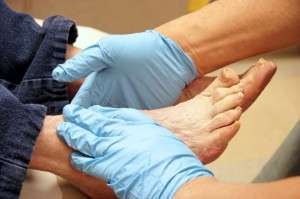
Corns and calluses develop due to repeated friction or pressure on specific areas of skin, acting as protective layers. While they serve a purpose by shielding underlying tissues from damage; they may cause discomfort over time if not managed properly!
- Symptoms entail hardened bumps that form on feet commonly around bony areas like toes; however limited movement may lead complications occasionally too…
- Diagnosis involves visual inspections complemented possibly by discussing recent footwear habits alongside any notable changes experienced lately…
- Treatment typically includes routine debridement performed during office visits together measures taken regarding appropriately fitting shoes preventing future occurrences altogether!
- Additionally medicated pads designed specifically soften corns/calluses could offer temporary relief meanwhile encouraging healing progress naturally post-removal processes!
Early detection along regular maintenance significantly improves comfort levels allowing individuals return actively participating daily routines without hindrance!
FLAT FEET (PES PLANUS)
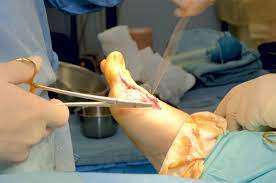
Flat feet refer to a condition where arches are lower than normal. While many individuals have no symptoms associated with flat feet, it can lead to discomfort over time due to improper alignment during movement?
- You might experience leg fatigue or aching when standing for extended periods; however not all patients are symptomatic!
- Your podiatrist will examine how well your arches hold up while standing versus sitting as part of its diagnosis process thus ruling out other possible conditions involved too...
- Simplistic treatments often focus on supportive footwear reassessments but could extend towards physical therapy procedures aimed at strengthening weak muscles!
- In special instances involving intense discomfort from structural problems; surgical interventions would be considered only after exhausting conservative methods first!
Addressing flat feet proactively helps ensure overall foot health since untreated cases have potential future implications including arthritis!
MORTON’S NEUROMA
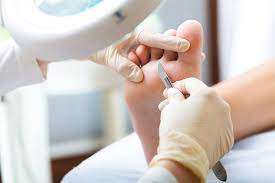
This condition involves a thickening of tissue around one of the nerves leading to your toes, commonly between the third and fourth toes. Morton’s neuroma often causes sharp or burning pain in this area when weight is applied during activities such as walking or running.
- Main symptoms consist of tingling sensations in fingers or toes accompanied by shooting pains that are especially noticeable in tight footwear.
- A thorough examination will confirm diagnosis through palpation of your foot along with imaging tests like ultrasound if needed.
- Treatment approaches may include wearing wider shoes for relieving pressure or utilizing orthotic implants designed for cushioning purposes.
- Corticosteroid injections can sometimes alleviate inflammation effectively without resorting to surgery unless necessary!
An accurate diagnosis and timely treatment for Morton’s neuroma play a crucial role in returning you back on your feet comfortably!
BUNIONS
Bunions develop when bones at the base of the big toe shift out of place, resulting in a bony protrusion. This deformity can lead to significant discomfort while walking or wearing shoes.
- Common symptoms include swelling at the joint, redness, and persistent pain around the bunion site.
- A comprehensive evaluation by your podiatrist will help diagnose bunions through physical examination and imaging studies like X-rays to determine severity.
- Treatment options range from conservative management with wider shoes or orthotic devices to surgical correction for severe cases.
- Pain relief can be achieved through ice application and nonsteroidal anti-inflammatory drugs (NSAIDs).
- Surgery typically has favorable outcomes but requires recovery time; be sure to discuss expectations with your doctor beforehand!
Treating bunions early helps manage symptoms effectively and improve daily activities without discomfort.
INGROWN TOENAILS
Ingrown toenails occur when a nail grows into the surrounding skin, causing pain and possible infection. This condition often affects the big toe but can occur on any toe.
- The main symptoms include swelling, redness, and tenderness around the affected area.
- Diagnosis usually involves examining the toe and assessing if there is any discharge indicating an infection.
- Treatment may involve soaking the foot, wearing comfortable shoes, or in some cases, minor surgical intervention to remove part of the nail.
- Your healthcare provider might also suggest preventive measures such as proper nail trimming techniques to avoid recurrence.
- With appropriate treatment, ingrown toenails generally heal well within a few weeks.
If you're experiencing discomfort due to ingrown toenails, prompt treatment is advisable to alleviate pain and prevent complications.
PLANTAR FASCIITIS
Plantar fasciitis is a common condition characterized by heel pain, resulting from inflammation of the plantar fascia - the thick band of tissue connecting the heel bone to the toes. It typically presents as sharp pain in the morning or after prolonged sitting.
- Symptoms include stabbing pain near the heel that worsens with activity.
- The condition is often diagnosed through a physical examination, where tenderness at the heel and arch are assessed.
- Treatment options range from stretching exercises, custom orthotics, and anti-inflammatory medications to physical therapy.
- Your podiatrist may also recommend night splints or corticosteroid injections for severe cases.
- Most patients can expect gradual improvement within months with proper care and modifications in footwear.
If you experience persistent heel pain, seeking treatment early can help prevent chronic issues and improve mobility.