
Dr Agarwal Raja R
About Me
Dr Agarwal Raja R
MD
Neurologist
10 Years Experience
Biography
My Clinic
OPD Hours
| Monday | Morning | 10:00 AM | - | 02:00 PM |
| Evening | 06:00 PM | - | 09:00 PM | |
| Tuesday | Morning | 10:00 AM | - | 02:00 PM |
| Evening | 06:00 PM | - | 09:00 PM | |
| Wednesday | Morning | 10:00 AM | - | 02:00 PM |
| Evening | 06:00 PM | - | 09:00 PM | |
| Thursday | Morning | 10:00 AM | - | 02:00 PM |
| Evening | 06:00 PM | - | 09:00 PM | |
| Friday | Morning | 10:00 AM | - | 02:00 PM |
| Evening | 06:00 PM | - | 09:00 PM | |
| Saturday | Morning | 10:00 AM | - | 02:00 PM |
| Evening | 06:00 PM | - | 09:00 PM | |
| Sunday | Morning | 10:00 AM | - | 02:00 PM |
| Evening | 06:00 PM | - | 09:00 PM |
Treatments
Specialised care and treatments offered
PERIPHERAL NEUROPATHY

This condition involves damage to peripheral nerves leading to sensations like tingling or numbness often affecting hands/feet. It stems from various causes thus understanding them breaking down helps manage effectively long-term outcomes as required possible resolution strategies available effectively stop progression towards safety & comfort resilience during therapy maintenance aspects involved rehabilitation journeys overall health witness improvement balance outcomes reached here too!
.- Causes: Diabetes mellitus infections exposure toxins certain medications underlying diseases result damage occurring nerve fibers pathway resulting disorders persistently worsened situations arise either directly indirectly emanating these sources consecutively build unexpected complexities.
- Symptoms experienced: Individuals typically exhibit burning sharp pains awkward feelings neglected mentioned points upright walking maintain awkward stances etc., leading limitations functional impairments engaged living actively fulfilled routines.
- Diagnostic tools utilized: Neurological assessments useful pinpoint affected areas conduction velocity testing assesses signal strength abilities transmitting efficiently through continued wear/failure circumstances impacted deemed crucial measures indicating trends present across tracking progress/recovery towards rehabilitation strides forward we hope achieve results achieved thus far indicated clearly worthwhile battle continue overcoming hurdles faced along road ahead.
Prompt attention preventive measures taken stop declined maximize chances recovery initiated requires consistent dedication unlock true potential futures paved resilient unwavering determination drive paths envisioned build bridges healthier lives !
ALZHEIMER'S DISEASE
This neurodegenerative disorder leads to cognitive decline affecting memory, thinking skills, and behavior. It’s crucial to understand early warning signs for timely diagnosis intervention steps available today
.- Symptoms: Common indicators include memory loss impacting daily activities gradually deteriorating language skills alteration in mood/behavior shifts confusion regarding time/place.
- Diagnosis: A thorough evaluation involving cognitive tests patient history neurological examinations aids in determining Alzheimer's presence ruling out other potential causes.
- Treatment strategies: While there’s currently no cure symptomatic treatments including cholinesterase inhibitors support caregivers help manage behavioral concerns challenge.
- Supportive care: Engaging supportive services community involvement plays an essential role overall well-being loved ones navigating Alzheimer’s journey.
Emphasizing early intervention offers hope enhanced quality care tailored specifically needs individual touches profoundly impact families touched disorder.
MULTIPLE SCLEROSIS (MS)
This autoimmune condition affects the central nervous system where the immune system mistakenly attacks the protective myelin sheath surrounding nerve fibers. Understanding MS is vital for managing its diverse symptoms effectively.
- Common symptoms: Symptoms may include fatigue, walking difficulties, numbness or tingling sensations, muscle weakness, and vision problems among others.
- Disease progression: The course of MS varies between individuals; some experience relapsing forms while others have a progressive form leading to gradual deterioration over time.
- Treatment approaches: Treatment regimens often include disease-modifying therapies (DMTs), corticosteroids for flare-ups, and symptomatic therapies to address specific issues like spasticity or bladder dysfunctions.
PARKINSON'S DISEASE
This progressive neurological disorder primarily affects movement and is characterized by tremors, stiffness, and balance issues. Early diagnosis provides better opportunities for management of symptoms.
- Main symptoms: Patients often experience shaking hands, slow movements (bradykinesia), changes in speech patterns, and difficulty with balance or coordination.
- Diagnosis process: Neurologists diagnose Parkinson's through physical exams focusing on motor symptoms along with patient history; neuroimaging may also assist in some cases.
- Treatment options: Medications such as levodopa are frequently used to alleviate symptoms; physical therapy can strengthen muscles affected by the disease.
- Coping strategies: Support groups and educational resources can provide invaluable assistance throughout this journey facing chronic symptoms.
An informed approach can significantly improve a patient's functionality and well-being despite the challenges posed by Parkinson's Disease.
EPILEPSY
This neurological disorder is characterized by recurrent seizures due to abnormal electrical activity in the brain. Epilepsy varies widely in presentation and severity across individuals. Understanding this condition is crucial for effective management.
- Causes: Seizures may be triggered by various factors including genetic predisposition, head injuries, or brain infections.
- Diagnosis: A neurologist typically diagnoses epilepsy through neurological examinations and electroencephalograms (EEG) that record electrical activity in the brain.
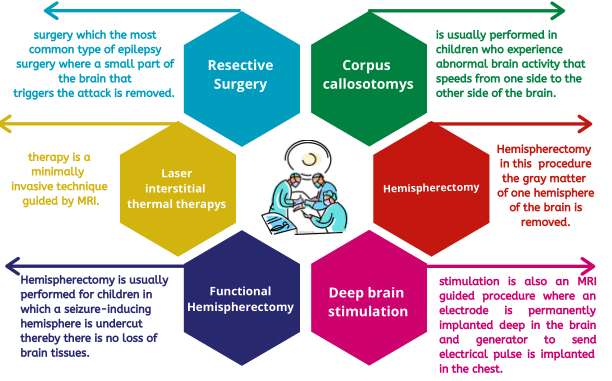
- Treatment options: Antiepileptic drugs are commonly prescribed; some patients may benefit from dietary changes or surgical interventions if medications are ineffective.
- Ongoing management: Regular follow-ups are essential to monitor seizure control and adjust treatment plans as necessary.
A comprehensive treatment plan can enhance overall quality of life for those living with epilepsy.
MIGRAINE
Migraines are a type of primary headache disorder that can cause significant pain and disruption to daily life. Affected individuals often experience recurrent, severe headaches that may be accompanied by nausea, vomiting, and sensitivity to light or sound.
- Symptoms: Typical symptoms include pulsing or throbbing pain on one side of the head, visual disturbances known as aura, and increased sensitivity to stimuli.
- Diagnosis: Diagnosis is usually based on medical history and symptom description; imaging tests may be ordered to rule out other conditions.
- Treatment options: Management may involve lifestyle modifications, over-the-counter pain medications, and prescription treatments such as triptans.
- Management strategies: Keeping a migraine diary can help identify triggers, while stress management techniques and regular exercise may reduce the frequency of attacks.
- What to expect: With appropriate treatment and lifestyle adjustments, many patients find their migraines become less frequent and less severe over time.
This condition can greatly impact quality of life, but effective management is possible with the right approach.