
Dr Agrawals Chil
About Me
Dr Agrawals Chil
MBBS
General Physician
10 Years Experience
Biography
My Clinic
OPD Hours
| Monday | Morning | 10:00 AM | - | 02:00 PM |
| Evening | 06:00 PM | - | 09:00 PM | |
| Tuesday | Morning | 10:00 AM | - | 02:00 PM |
| Evening | 06:00 PM | - | 09:00 PM | |
| Wednesday | Morning | 10:00 AM | - | 02:00 PM |
| Evening | 06:00 PM | - | 09:00 PM | |
| Thursday | Morning | 10:00 AM | - | 02:00 PM |
| Evening | 06:00 PM | - | 09:00 PM | |
| Friday | Morning | 10:00 AM | - | 02:00 PM |
| Evening | 06:00 PM | - | 09:00 PM | |
| Saturday | Morning | 10:00 AM | - | 02:00 PM |
| Evening | 06:00 PM | - | 09:00 PM | |
| Sunday | Morning | 10:00 AM | - | 02:00 PM |
| Evening | 06:00 PM | - | 09:00 PM |
Treatments
Specialised care and treatments offered
GASTROESOPHAGEAL REFLUX DISEASE (GERD)
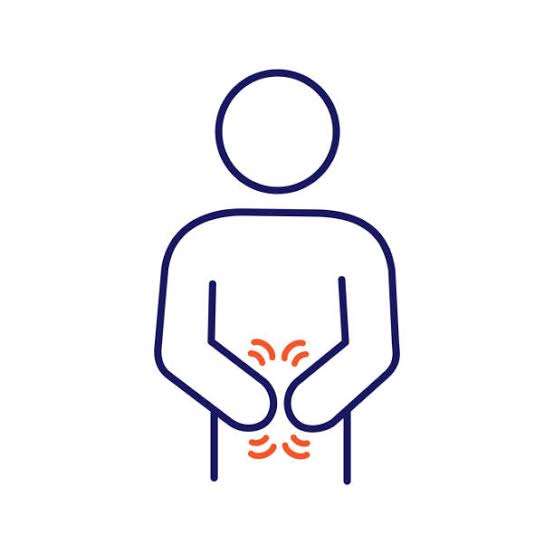
A chronic digestive disorder where stomach acid flows back into the esophagus causing irritation. Timely management prevents damage to the esophageal lining and improves well-being.
- Causes & Symptoms: Heartburn , regurgitation after meals , sometimes chest discomfort ; often worsened by fatty foods or overeating .
- How it’s Diagnosed: Based on clinical history ; endoscopy may be indicated if symptoms persist or worsen .
- Treatment Approaches: Lifestyle adjustments include weight loss , elevating the head while sleeping ; medications such as antacids or proton pump inhibitors are commonly used .
- Long-term Management: Avoiding trigger foods , quitting smoking , eating smaller meals helps control symptoms efficiently .
Effective symptom control enhances quality of life while minimizing potential complications linked with reflux disease .
SEASONAL ALLERGIC RHINITIS

This condition results from an allergic reaction to airborne substances such as pollen during specific times of the year. It affects quality of life through persistent nasal symptoms.
- Key Symptoms & Triggers: Sneezing fits , runny nose , nasal congestion ; commonly triggered by seasonal pollens .
- Diagnostic Approach: Clinical evaluation supported by allergy testing when necessary .
- Treatment Options: Antihistamines , nasal corticosteroids , avoiding allergens .
- Preventive Measures: Keeping windows closed , using air filters , planning outdoor activities cautiously .
Proper management facilitates relief from symptoms allowing better daily comfort during allergy seasons .
OBESITY MANAGEMENT

An excess accumulation of body fat poses significant risks for various chronic diseases. Addressing obesity is fundamental for overall wellness improvement.
- Causative Factors & Identification: Poor dietary habits, lack of physical activity; measured by BMI (body mass index).
- Diagnosis Procedures: Assessment includes medical history review and physical examination focused on nutritional status.
- Treatment Modalities: Structured diet plans combined with regular exercise form the cornerstone of therapy; behavioral counseling also crucial.
- The Role of Supportive Care: Psychological support helps maintain motivation during weight loss efforts.
Sustained commitment to healthy lifestyle changes can reverse many obesity-related health problems effectively over time.
CHRONIC OBSTRUCTIVE PULMONARY DISEASE (COPD) CARE
COPD is a progressive lung disease that obstructs airflow, making breathing difficult. It results from long-term exposure to irritants like tobacco smoke or pollution.
- Symptoms & Causes: Chronic cough, shortness of breath, wheezing; primarily caused by smoking and air pollutants.
- Diagnosis Techniques: Lung function tests (spirometry), imaging studies aid in identifying severity.
- Treatment Strategies: Smoking cessation encouraged; bronchodilators and steroids prescribed to ease symptoms.
- Lifestyle Adjustments: Pulmonary rehabilitation including exercise training enhances quality of life.
A comprehensive care plan tailored to individual needs helps slow disease progression and improves daily functioning for patients living with COPD.
TYPE 2 DIABETES MELLITUS

This metabolic disorder involves elevated blood glucose levels due to insulin resistance or inadequate insulin production. Early detection is vital for preventing complications.
- Main Causes & Symptoms: Linked to obesity, sedentary lifestyle; symptoms include increased thirst, frequent urination, fatigue.
- Diagnostic Tools: Blood tests such as fasting glucose and HbA1c levels help confirm diagnosis.
- Treatment Approaches: Emphasis on diet control, regular exercise, weight reduction; medications like metformin may be prescribed.
- Lifestyle Management: Monitoring carbohydrate intake and consistent physical activity improve outcomes significantly.
A well-rounded approach combining medication with lifestyle changes can help manage blood sugar effectively and reduce long-term risks.
HYPERTENSION MANAGEMENT
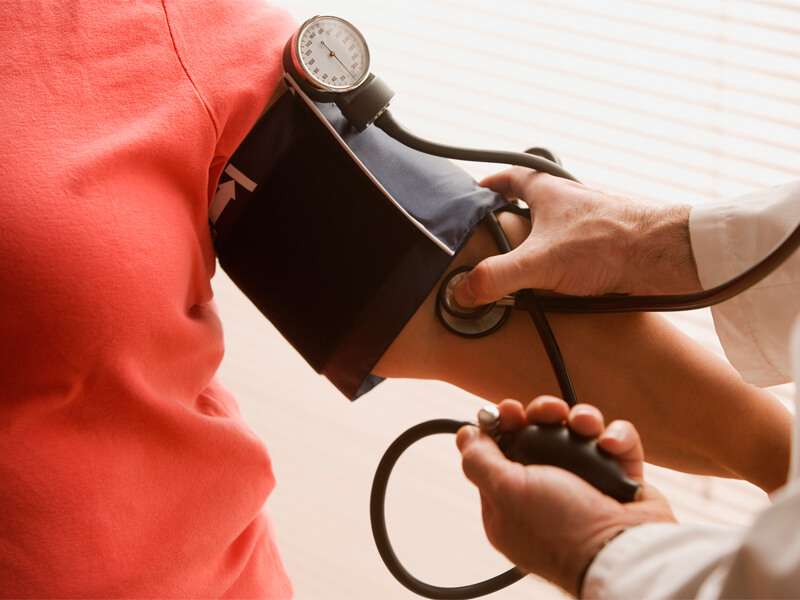
High blood pressure is a common condition that increases the risk of heart disease and stroke if left unmanaged. It often develops over years without noticeable symptoms.
- Causes & Symptoms: Often caused by genetics, lifestyle factors, and stress; typically asymptomatic but may present with headaches or dizziness.
- Diagnosis: Regular blood pressure readings using a sphygmomanometer are essential to confirm hypertension.
- Treatment Options: Lifestyle modifications like salt reduction, weight control, physical activity, and medication when necessary.
- Management: Ongoing monitoring and adjustment of therapy are critical to prevent complications.
- Expectations: With adherence to treatment plans, blood pressure can be controlled effectively, reducing associated health risks.
Taking proactive steps and staying informed plays a key role in controlling high blood pressure and maintaining cardiovascular health.