
Dr Ajai Agarwal
About Me
Dr Ajai Agarwal
MD
Internal Medicine
Biography
My Clinic
OPD Hours
| Monday | Morning | 10:00 AM | - | 02:00 PM |
| Evening | 06:00 PM | - | 09:00 PM | |
| Tuesday | Morning | 10:00 AM | - | 02:00 PM |
| Evening | 06:00 PM | - | 09:00 PM | |
| Wednesday | Morning | 10:00 AM | - | 02:00 PM |
| Evening | 06:00 PM | - | 09:00 PM | |
| Thursday | Morning | 10:00 AM | - | 02:00 PM |
| Evening | 06:00 PM | - | 09:00 PM | |
| Friday | Morning | 10:00 AM | - | 02:00 PM |
| Evening | 06:00 PM | - | 09:00 PM | |
| Saturday | Morning | 10:00 AM | - | 02:00 PM |
| Evening | 06:00 PM | - | 09:00 PM | |
| Sunday | Morning | 10:00 AM | - | 02:00 PM |
| Evening | 06:00 PM | - | 09:00 PM |
Treatments
Specialised care and treatments offered
ANEMIA MANAGEMENT
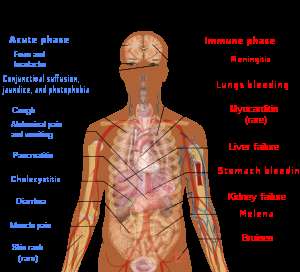
Anemia involves insufficient red blood cells or hemoglobin leading towards reduced oxygen transport capabilities within the body potentially impacting overall energy levels adversely! Understanding its nature promotes informed response mechanisms from healthcare professionals engaged directly!
Symptoms:-Patients often mention instances fatigue weakness dizziness resulting partly low hemoglobin concentrations circulating bloodstream thus compromising vitality variance seen per individual case presentation examined closely guiding respective interventions required optimally!GASTROESOPHAGEAL REFLUX DISEASE (GERD)
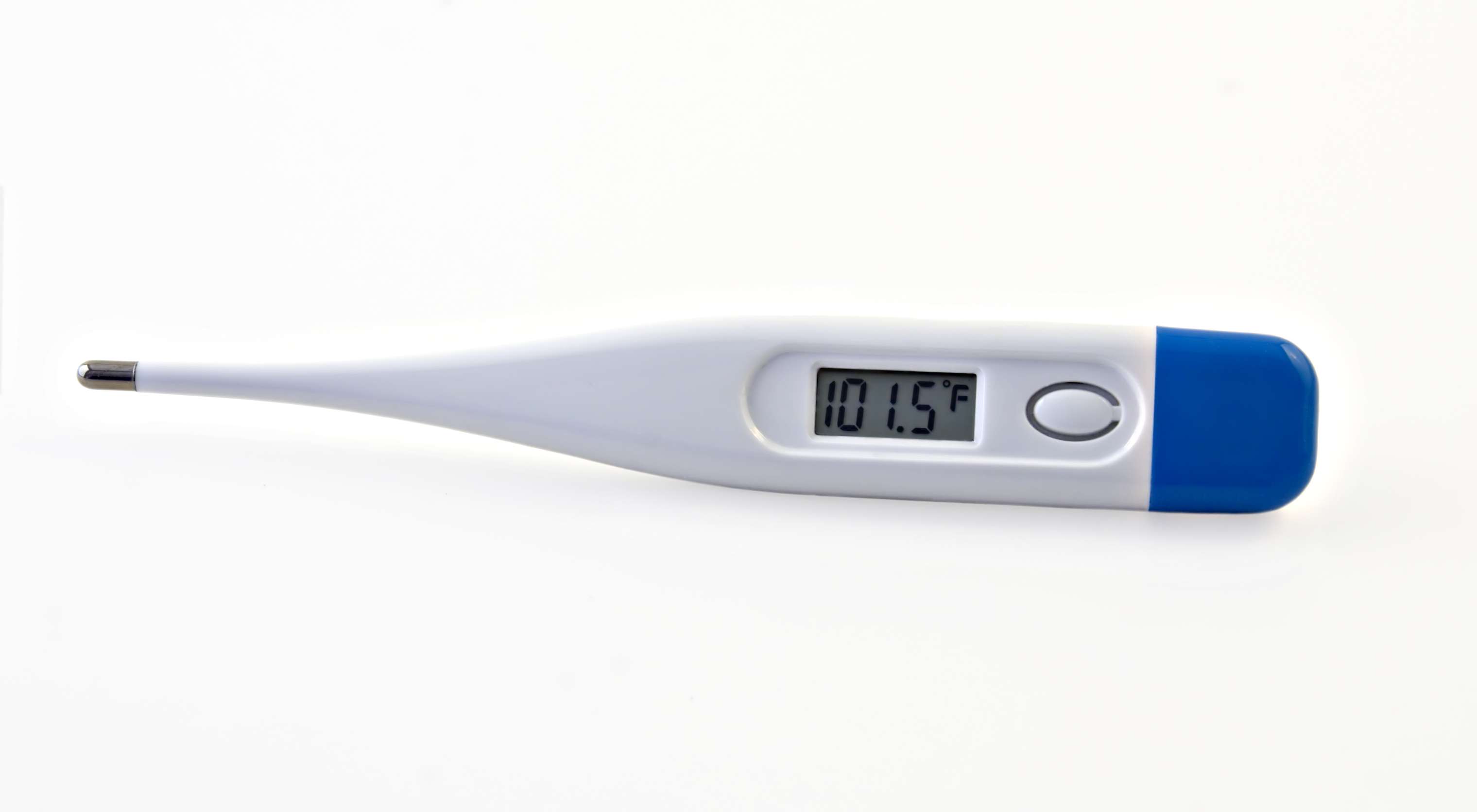
This chronic digestive disorder occurs when stomach acid frequently flows back into the esophagus resulting in uncomfortable symptoms that need attention over time. Awareness boosts effective management significantly! Symptoms: Patients commonly report persistent heartburn , regurgitation , difficulty swallowing sometimes coupled alongside sour taste present at night . < l i > Causes: Contributing factors encompass food choices , obesity increasing abdominal pressure plus smoking habits influencing relaxation lower esophageal sphincter too much . < l i > Diagnostic Approach: Healthcare professionals conduct evaluations encompassing symptom history followed by possible endoscopy examinations confirming severity level presenting existing damage patterns within esophagus lining itself . < l i > Treatment Strategies : Options include lifestyle adjustments avoiding trigger foods maintaining weight control introducing antacid remedies supporting proper digestion process . < l i > Long Term Outlook : While GERD tends manageable , close communication alongside practitioners essential ensuring tailored solutions direct focus areas experiences unique challenges presented per individual case .
Please consult knowledgeable providers regularly allowing continued progress fostering improved quality living despite persistent concerns surrounding GERD conditions !
THYROID DISORDERS
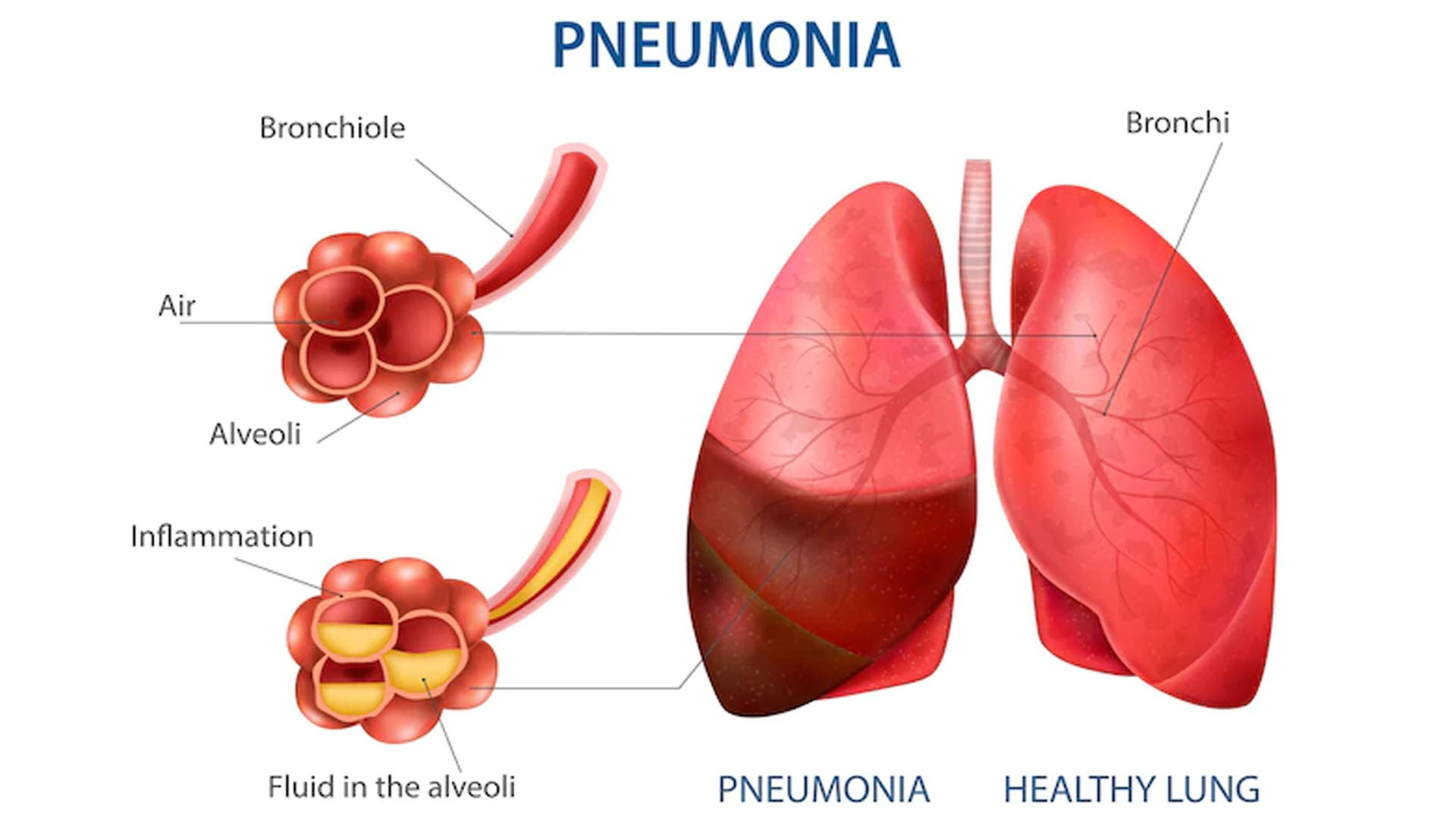
The thyroid gland plays an essential role in regulating metabolism. Disorders like hypothyroidism or hyperthyroidism can disrupt this balance and affect overall health.
- Symptoms: Hypothyroidism may cause fatigue and weight gain while hyperthyroidism might lead to weight loss and anxiety among other symptoms.
- The Role of Diagnosis:An assessment usually requires blood tests measuring TSH (thyroid-stimulating hormone) along with T3/T4 levels for accurate identification of thyroid function issues.
CHOLESTEROL MANAGEMENT
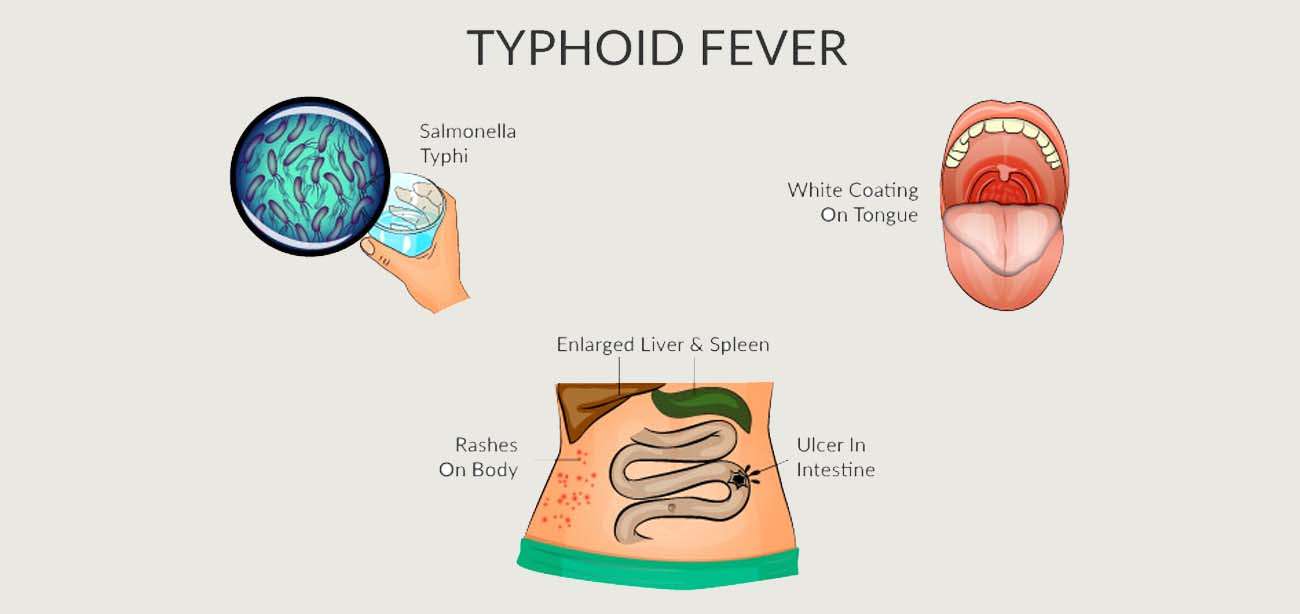
Elevated cholesterol levels can significantly increase your risk for heart disease. Understanding cholesterol and its impact on health is vital for prevention strategies.
- Symptoms: High cholesterol typically has no direct symptoms but can lead to heart disease or stroke over time without visible signs.
- Causes: Major contributors are poor diet high in saturated fats and trans fats, sedentary lifestyle, and genetic predispositions.
- Diagnosis: Cholesterol levels are assessed through a simple blood test known as a lipid panel during routine health checks.
- Treatment: Management may involve dietary changes, exercising regularly, weight loss strategies when applicable, and medications if necessary.
- Aiming for Balance:Your healthcare provider will guide you in setting realistic goals for achieving healthier cholesterol levels through an individualized plan tailored to your needs.
A proactive approach plays a crucial role in maintaining optimal heart health by managing cholesterol effectively every day.
DIABETES MELLITUS
This chronic condition affects how your body processes glucose (sugar). Proper understanding and management are critical to prevent complications associated with diabetes.
- Symptoms: Common signs include frequent urination, increased thirst, extreme fatigue, and blurred vision.
- Causes: Factors contributing to diabetes include genetics, obesity, sedentary lifestyle, and poor dietary choices.
- Diagnosis: Diabetes is diagnosed through elevated blood sugar levels tested via fasting or random sampling methods.
- Treatment: Treatment focuses on lifestyle modifications such as engaging in regular exercise and following a balanced diet alongside potential medications or insulin therapy.
- What to Expect: With diligent management and monitoring of blood sugar levels, individuals can live healthy lives while effectively controlling diabetes symptoms.
A comprehensive approach will empower you to manage diabetes successfully over time.
HYPERTENSION
Hypertension, often referred to as high blood pressure, is a prevalent condition that can lead to serious health complications if left untreated. It is essential to monitor and manage this condition effectively.
- Symptoms: Many individuals may not experience noticeable symptoms; however, headaches, shortness of breath, and nosebleeds can occur in some cases.
- Causes: Common causes include obesity, lack of physical activity, excessive salt intake, and stress.
- Diagnosis: Blood pressure is measured using a sphygmomanometer during routine check-ups; multiple readings may be necessary for an accurate diagnosis.
- Treatment: Management often involves lifestyle changes such as adopting a healthier diet, increasing physical activity, and possibly medication.
- What to Expect: With appropriate management, many individuals can maintain normal blood pressure levels and reduce risk of complications.
Working with a healthcare provider can help you create a personalized plan to manage hypertension effectively.