
Dr Ajay Bapna
About Me
Dr Ajay Bapna
MD
Oncologist
10 Years Experience
Biography
My Clinic
OPD Hours
| Monday | Morning | 10:00 AM | - | 02:00 PM |
| Evening | 06:00 PM | - | 09:00 PM | |
| Tuesday | Morning | 10:00 AM | - | 02:00 PM |
| Evening | 06:00 PM | - | 09:00 PM | |
| Wednesday | Morning | 10:00 AM | - | 02:00 PM |
| Evening | 06:00 PM | - | 09:00 PM | |
| Thursday | Morning | 10:00 AM | - | 02:00 PM |
| Evening | 06:00 PM | - | 09:00 PM | |
| Friday | Morning | 10:00 AM | - | 02:00 PM |
| Evening | 06:00 PM | - | 09:00 PM | |
| Saturday | Morning | 10:00 AM | - | 02:00 PM |
| Evening | 06:00 PM | - | 09:00 PM | |
| Sunday | Morning | 10:00 AM | - | 02:00 PM |
| Evening | 06:00 PM | - | 09:00 PM |
Treatments
Specialised care and treatments offered
BONE MARROW TRANSPLANT
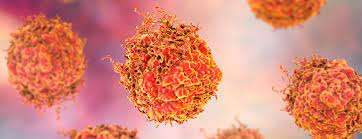
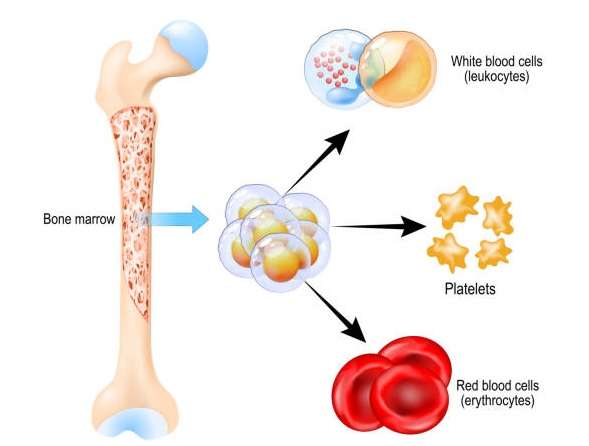
This procedure involves replacing diseased bone marrow with healthy stem cells. Bone marrow transplants are crucial in treating various hematologic cancers like leukemia and lymphoma where standard treatments fail or cause significant damage
- Common symptoms necessitating this intervention might involve severe anemia resulting from bone marrow infiltration leading toward reduced blood counts
- To determine eligibility , extensive diagnostic evaluations including blood tests , imaging studies alongside donor matching procedures will occur
- Depending upon patient specifics , both autologous transplants (using one’s own stem cells) versus allogenic transplants (involving donations) exist featuring distinct processes
- Post-transplant complications entail monitoring closely for infections along with graft-versus-host disease arising from mismatched donor immune responses
This complex yet life-saving operation provides hope across numerous oncology disciplines - enabling potent therapies while paving broader avenues within curative intent frameworks
TARGETED THERAPY
This form of cancer treatment focuses on specific molecular targets associated with cancer. Targeted therapy aims at disrupting the growth and spread of tumors by targeting precise pathways involved in cell division and survival。
- Symptoms that could indicate consideration for targeted therapies include changing lymph nodes or unexplainable bone pain due do metastatic disease spread.
- A precise diagnosis often includes genetic testing which informs healthcare providers about unique mutations present in tumors suitable for targeted treatments
- Treatment protocols frequently utilize oral medications allowing patients greater convenience compared with intravenous therapies
- Potential side effects may include rashes, fatigue, or gastrointestinal disturbances but are generally milder than traditional chemotherapy regimens
Through personalized approaches leveraging molecular biology insights , targeted therapies empower clinicians towards developing tailored management strategies improving patient outcomes significantly
SURGICAL ONCOLOGY

Surgical oncology focuses on the surgical removal of tumors as part of cancer treatment. This method can provide definitive answers through tissue analysis while also potentially curing certain types of localized cancers.
- Signs that might necessitate surgical intervention include lump formation or significant organ dysfunction due to tumor presence.
- A detailed diagnosis usually entails imaging studies followed by biopsies allowing pathologists to assess tumor type and stage accurately.
- Treatment modalities can range from lumpectomies in breast cancer cases to radical resections depending on tumor extent and location.
- The recovery timeline may vary but generally includes pain management strategies and follow-up care plans tailored for each patient’s needs post-surgery.
Surgical oncology plays an indispensable role in comprehensive cancer care by offering direct methods for tumor control while contributing valuable insights into pathology assessment for ongoing management decisions.
IMMUNOTHERAPY
This innovative treatment uses the body’s immune system to fight cancer. Immunotherapy has gained popularity due to its ability to produce long-lasting responses in some patients with advanced cancers.
- Symptoms indicating the potential need for immunotherapy might include persistent coughs or changes in moles or skin lesions.
- A thorough diagnosis typically involves genetic testing of tumors, which identifies specific markers responsive to immunotherapeutic agents.
- Management options vary from checkpoint inhibitors to CAR T-cell therapies based on individual cancer profiles.
- The common side effects can range from mild flu-like symptoms to more serious autoimmune reactions that require monitoring during treatment.
- Patients often find immunotherapy appealing because of its potential for fewer side effects compared to traditional treatments like chemotherapy.
This progressive approach represents hope for many facing challenging cancer diagnoses by harnessing natural defenses against disease.
RADIATION THERAPY
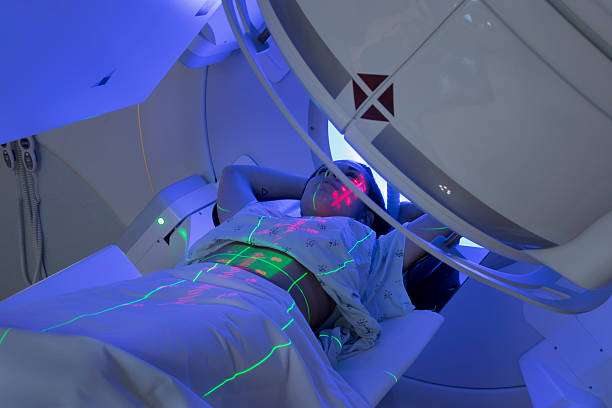
This treatment utilizes high-energy radiation to target and destroy cancer cells. Radiation therapy can be a primary treatment or used in conjunction with other treatments like surgery or chemotherapy.
- The main indication for radiation therapy includes localized tumors that can be effectively targeted.
- Diagnosis often involves imaging techniques such as MRI or PET scans to define the tumor's location and size.
- Treatment sessions are typically scheduled over several weeks, with each session lasting about 15-30 minutes.
- Potential side effects may include skin irritation in the treated area and fatigue, which generally resolve after completing therapy.
- Patients should be aware that while radiation is effective, it requires careful planning by a multidisciplinary team to minimize risks to surrounding healthy tissues.
In summary, radiation therapy offers a targeted approach for treating certain cancers and can significantly improve outcomes when executed properly.
CHEMOTHERAPY
Chemotherapy is a widely used treatment for various types of cancer. It involves the use of powerful medications that are designed to kill cancer cells or inhibit their growth.
- Common symptoms of cancer that chemotherapy targets include unexplained weight loss, persistent fatigue, and noticeable lumps.
- Diagnosis typically requires imaging tests like CT scans and biopsies to identify cancerous tissues.
- Treatment options usually involve a combination of intravenous drugs tailored to the specific cancer type.
- Patients may experience side effects such as nausea, hair loss, and increased susceptibility to infections.
- Regular follow-up appointments are essential to monitor the effectiveness of the treatment and manage any adverse effects.
Overall, chemotherapy can be an effective way to manage cancer, and understanding its process helps patients prepare for what lies ahead.