
Dr Ajay Bapna
About Me
Dr Ajay Bapna
MD
Oncologist
10 Years Experience
Biography
My Clinic
OPD Hours
| Monday | Morning | 10:00 AM | - | 02:00 PM |
| Evening | 06:00 PM | - | 09:00 PM | |
| Tuesday | Morning | 10:00 AM | - | 02:00 PM |
| Evening | 06:00 PM | - | 09:00 PM | |
| Wednesday | Morning | 10:00 AM | - | 02:00 PM |
| Evening | 06:00 PM | - | 09:00 PM | |
| Thursday | Morning | 10:00 AM | - | 02:00 PM |
| Evening | 06:00 PM | - | 09:00 PM | |
| Friday | Morning | 10:00 AM | - | 02:00 PM |
| Evening | 06:00 PM | - | 09:00 PM | |
| Saturday | Morning | 10:00 AM | - | 02:00 PM |
| Evening | 06:00 PM | - | 09:00 PM | |
| Sunday | Morning | 10:00 AM | - | 02:00 PM |
| Evening | 06:00 PM | - | 09:00 PM |
Treatments
Specialised care and treatments offered
PROSTATE CANCER
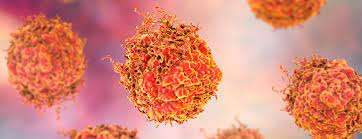
This disease mainly affects older men involving uncontrolled growth within prostate gland tissues. Many cases grow slowly allowing multiple management approaches tailored individually after assessment of aggressiveness using specific clinical scores and biomarkers.
- Symptoms may remain absent initially but eventually could show difficulty urinating , hematuria , pelvic discomfort indicating potential advanced involvement .
- Evaluation requires PSA blood test screening supplemented by digital rectal examination followed by prostate biopsy if suspicion remains elevated .
- Treatment varies from vigilant observation known as active surveillance aiming at deferring unnecessary intervention ; surgical removal via prostatectomy ; radiotherapy using external beams or brachytherapy implants ; hormonal therapies that reduce androgen influence fueling tumor growth .
- Ongoing monitoring post-therapy involves periodic PSA testing alongside symptom assessment ensuring timely responses should progression occur .
Decisions about management balance potential benefits against quality-of-life considerations emphasizing shared informed choices .
COLORECTAL CANCER
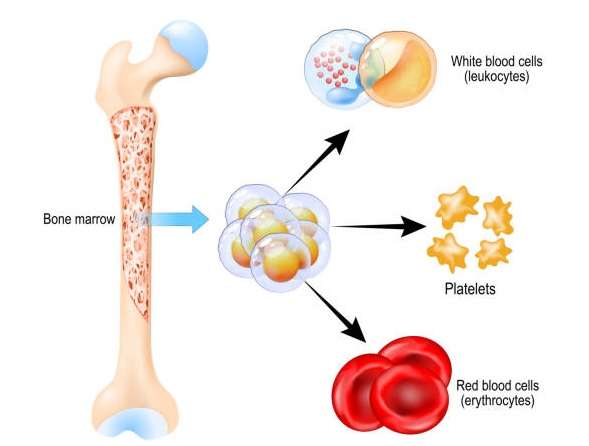
Cancer developing in the colon or rectum typically arises from precancerous polyps over years. Regular screening considerably reduces mortality associated with this malignancy affecting adults commonly above age 50 but younger individuals can also be affected due to familial predispositions.
- Certain signs suggesting colorectal cancer include altered bowel habits, rectal bleeding, unexplained weight loss accompanied sometimes by abdominal discomfort
- The diagnosis involves colonoscopy allowing direct visualization plus biopsy confirmation along with imaging studies assessing disease spread if present.
- Surgical resection remains primary curative therapy supported by chemotherapy especially when lymph nodes are involved; radiation may be used based on tumor location specifically rectal cancers
- Lifestyle modifications post-treatment play an important role in recurrence prevention alongside periodic surveillance colonoscopies scheduled per oncological guidelines
This malignancy responds well to integrated treatment programs emphasizing early detection through screening campaigns ensuring better prognosis over time .
LUNG CANCER

Lung cancer originates from abnormal cell growth within lung tissues. It remains a leading cause of cancer-related deaths worldwide but advances offer new hope for many patients today.
- The true risk factors include smoking history, exposure to carcinogens like asbestos or radon gas; symptoms may involve persistent cough, chest pain, breathlessness or coughing up blood.
- An accurate diagnosis utilizes imaging such as chest X-ray or CT scan followed by bronchoscopy with biopsy to identify tumor histology.
- Treatment plans incorporate surgery if localized; chemotherapy combined with radiation; immunotherapy has become a vital option particularly in advanced cases expressing specific markers.
- You should expect thorough evaluation before treatment initiation along with monitoring side effects closely during therapy courses for optimum results.
A patient-centric strategy enhances survival chance balanced against maintaining daily functioning capacities amidst aggressive treatments.
PEDIATRIC NEUROBLASTOMA
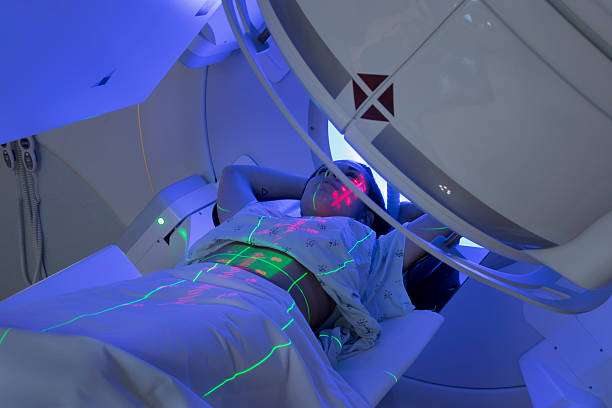
This cancer primarily affects young children and originates from nerve tissue. Early recognition boosts chances for successful treatment outcomes in this complex condition.
- The spectrum of symptoms ranges widely but may include abdominal swelling or pain, bone pain, fever, and general malaise.
- The diagnostic process incorporates physical exams, imaging studies like MRI/CT scans along with tissue biopsy confirming neuroblastoma cells.
- Treatment modalities depend on staging but commonly involve chemotherapy to shrink tumors followed by surgery; sometimes radiation therapy is necessary for residual disease control.
- Pediatric patients require specialized supportive care throughout their journey including nutritional support and psychological counseling for families involved.
A comprehensive pediatric oncology team carefully designs each patient's protocol aiming at cure while preserving developmental health.
LEUKEMIA
Leukemia is a form of blood cancer affecting white blood cells. It can progress rapidly or slowly depending on the subtype. Understanding its impact on blood cell production helps guide treatment decisions.
- Causes include genetic mutations and environmental exposures; symptoms may present as fatigue, frequent infections, easy bruising or bleeding.
- Diagnostic tests such as complete blood count (CBC), bone marrow biopsy, cytogenetic analysis help classify the leukemia type.
- Treatments can involve chemotherapy regimens, targeted therapies like tyrosine kinase inhibitors, radiation therapy, or stem cell transplantation in eligible patients.
- Expect close monitoring to detect remission status or relapse through regular blood tests and clinical checkups.
The goal is to achieve disease control while minimizing complications associated with treatment.
BREAST CANCER
Breast cancer primarily affects the cells of the breast and is one of the most common cancers among women globally. Awareness and early detection are crucial for improving outcomes and survival rates.
- Symptoms often include a lump in the breast, changes in breast shape or size, skin dimpling, nipple discharge, or pain.
- Diagnosis typically involves mammograms, ultrasound imaging, biopsy procedures, and sometimes MRI scans to confirm the presence and type of cancer.
- Treatment options range from surgery (lumpectomy or mastectomy), radiation therapy, chemotherapy, hormone therapy to targeted biological therapies depending on cancer stage and receptor status.
- Management includes regular follow-up visits to monitor for recurrence and managing side effects from treatments.
A multidisciplinary approach ensures personalized care plans that balance effective cancer control with quality of life considerations.