
Dr Ajay Chaurasia
About Me
Dr Ajay Chaurasia
MBBS
General Physician
1 Years Experience
Biography
My Clinic
OPD Hours
| Monday | Morning | 09:00 AM | ||
| Evening | 09:00 PM | |||
| Tuesday | Morning | 09:00 AM | ||
| Evening | 09:00 PM | |||
| Wednesday | Morning | 09:00 AM | ||
| Evening | 09:00 PM |
Treatments
Specialised care and treatments offered
GASTROINTESTINAL DISORDERS

The gastrointestinal tract encompasses many conditions ranging from indigestion to serious diseases like Crohn’s disease. A thorough understanding allows better diagnostic approaches leading towards personalized care plans for patients experiencing digestive issues
.- Symptoms: Patients might encounter symptoms such as abdominal pain; bloating; constipation; diarrhea which warrant comprehensive evaluations once present distinctly amongst others.
- How Diagnosis Occurs: Tests including endoscopy imaging scans stool tests help clinicians ascertain underlying pathology effectively enhancing quality management strategies thereafter enacted.
- Treatment Options: Traditional medicines rely heavily upon adherence towards certain diets along providing symptomatic relief where needed ongoing close monitoring critically assists tracking progress transitioning between stages depending evaluated periodically.
Ultimately addressing gastrointestinal disorders promptly ensures optimal recovery fostering improved living standards long run across varying aspects concerning overall patient health
ANEMIA EVALUATION

Anemia is a condition marked by a deficiency in red blood cells or hemoglobin. Understanding its causes through proper evaluation is vital for effective treatment options tailored to individual needs.
- Symptoms: Fatigue, pale skin, dizziness, and shortness of breath are common signs that may indicate anemia when present together.
- Causes: Anemia can arise from various factors including nutritional deficiencies (like iron), chronic diseases or bone marrow problems.
- Diagnosis: Blood tests such as complete blood count (CBC) will help determine hemoglobin levels along with potential underlying causes.
- Treatment Options: Depending on type; iron supplements could be advised alongside dietary changes while severe cases might need more intensive interventions such as transfusions.
Early assessment helps pinpoint anemia sources leading towards tailored therapeutic approaches ensuring overall well-being efficiently addressed throughout various stages according based on lab findings
CHOLESTEROL MANAGEMENT

The management of cholesterol is essential for maintaining cardiovascular health. High cholesterol levels can significantly increase the risk of heart disease if not addressed through lifestyle changes or medication.
- Symptoms/Causes: High cholesterol usually has no symptoms but can contribute to plaque buildup in arteries over time due to poor diet or inactivity.
- How Diagnosis Occurs: A lipid panel blood test measures different types of cholesterol in your blood during routine check-ups.
- Treatment/Management: Treatment options often involve dietary adjustments alongside statins or other medications if natural methods are insufficient alone.
RESPIRATORY INFECTIONS
Respiratory infections encompass a range of conditions affecting the airways and lungs. Common types include the common cold and pneumonia, which require appropriate diagnosis and management strategies.
- Symptoms: Coughing, fever, fatigue, and shortness of breath are typical indicators of respiratory infections.
- How it is Diagnosed: Diagnosis often involves patient history reviews, physical examinations, and possibly chest X-rays or sputum tests to identify pathogens.
- Treatment Options: Treatments may vary from rest and hydration for mild infections to antibiotics for bacterial cases.
- What to Expect: Most patients recover with appropriate care; however, ongoing symptoms should prompt further medical evaluation.
A timely approach helps prevent complications associated with severe respiratory infections.
DIABETES SCREENING

Diabetes screening is crucial for identifying individuals at risk of developing diabetes. Early detection can lead to better management of the condition and prevent complications.
- Symptoms/Causes: Risk factors include obesity, family history, and sedentary lifestyle. Symptoms can include increased thirst and frequent urination.
- Diagnosis: A fasting blood glucose test or an HbA1c test is typically used to determine glucose levels in the body.
- Treatment/Management: Managing diabetes involves lifestyle modifications, monitoring blood sugar levels, and potentially insulin therapy or oral medications.
- What to Expect: Regular follow-ups will help in assessing progress and adjusting treatment protocols as needed.
A proactive approach to diabetes screening can lead to a healthier life with fewer complications.
HYPERTENSION

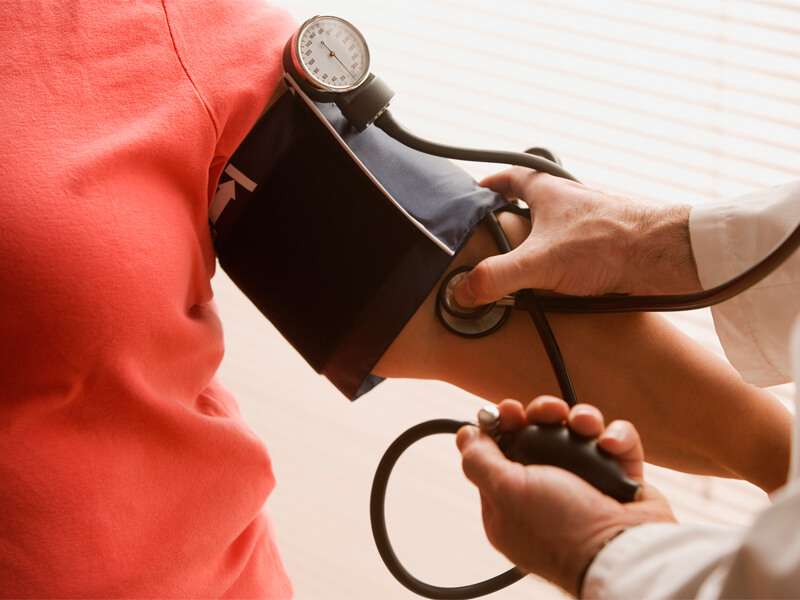
Hypertension, commonly known as high blood pressure, is a widespread condition that can lead to serious health issues if left unmanaged. It often presents with no symptoms, making regular monitoring vital for early detection and treatment.
- Symptoms: Many individuals may experience headaches, shortness of breath, or nosebleeds, but these signs are not always present.
- Diagnosis: Blood pressure is measured using a sphygmomanometer; multiple readings may be necessary for an accurate diagnosis.
- Treatment: Management options include lifestyle changes such as diet and exercise, along with medications like diuretics or ACE inhibitors.
- What to Expect: Following prescribed treatments can significantly reduce risks associated with hypertension, such as stroke or heart disease.
Regular check-ups are essential to keep track of blood pressure levels and adjust treatment plans accordingly.