
Dr Ajay Gupta
About Me
Dr Ajay Gupta
MD
Diabetologist
Biography
My Clinic
OPD Hours
| Monday | Morning | 10:00 AM | - | 02:00 PM |
| Evening | 06:00 PM | - | 09:00 PM | |
| Tuesday | Morning | 10:00 AM | - | 02:00 PM |
| Evening | 06:00 PM | - | 09:00 PM | |
| Wednesday | Morning | 10:00 AM | - | 02:00 PM |
| Evening | 06:00 PM | - | 09:00 PM | |
| Thursday | Morning | 10:00 AM | - | 02:00 PM |
| Evening | 06:00 PM | - | 09:00 PM | |
| Friday | Morning | 10:00 AM | - | 02:00 PM |
| Evening | 06:00 PM | - | 09:00 PM | |
| Saturday | Morning | 10:00 AM | - | 02:00 PM |
| Evening | 06:00 PM | - | 09:00 PM | |
| Sunday | Morning | 10:00 AM | - | 02:00 PM |
| Evening | 06:00 PM | - | 09:00 PM |
Treatments
Specialised care and treatments offered
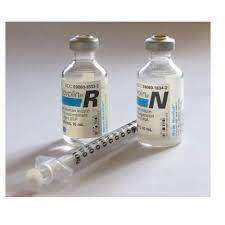
INSULIN THERAPY

This treatment modality involves administering insulin due to insufficient production from one’s pancreas or issues related specifically regarding its use by cells within our body systems impacting energy regulation overall!
- Focused on addressing hyperglycemia resulting from inadequate hormone control further exacerbates underlying conditions presenting difficulties experienced across various functionalities day-to-day!
- Physicians often recommend routine screening methods selecting particular testing options designed specifically around glycemic control factors present.
- Therapeutic interventions integrate aspects surrounding individualized dosing regimens alongside close monitoring measures ensuring optimal responses achieved while minimizing complications occurring subsequently down line near future lifespan limits imposed previously!
- Combinations utilizing various delivery formats including pens/pumps can facilitate personalized experiences enhancing convenience accessing required doses easily throughout each day moving forward too!
Through appropriate administration techniques employed consistently success remains attainable even amidst complexities arising within chronic conditions perplexities faced continually thereafter!
DIABETES MANAGEMENT EDUCATION
A crucial component in living well with diabetes is education about managing this lifelong disease effectively. Patients equipped with knowledge have better outcomes concerning their health status over time.
- The symptoms associated with fluctuations in blood sugar must be understood clearly for effective management strategies.
- Disease management typically starts with thorough assessments performed by healthcare providers including nutritional guidance tailored specifically to individual needs.
- A combination of medication adherence alongside patient support groups provides invaluable resources for successful management over time!
Dedicating time towards continual education empowers patients facing challenges related to numerous facets associated with living day-to-day under these circumstances!
DIABETIC NEUROPATHY
This condition arises as a complication of diabetes affecting the nerves. Diabetic neuropathy can lead to discomfort or pain in areas such as hands, feet, or legs due to prolonged periods of uncontrolled blood sugar levels.
- Common symptoms include tingling sensations, numbness, sensitivity to touch, or debilitating pain in affected areas.
- Your healthcare provider will diagnose it through clinical evaluations combined with nerve conduction studies if needed.
- Treatment often includes medications aimed at relieving pain along with strict glycemic control strategies to prevent further nerve damage.
- Lifestyle interventions such as regular exercise and appropriate foot care are critical components in managing this condition effectively.
Effectively managing diabetic neuropathy contributes greatly to improving overall quality of life for individuals living with diabetes.
GESTATIONAL DIABETES
Gestational diabetes occurs during pregnancy when the body cannot produce enough insulin. It requires careful management to ensure both mother and baby remain healthy throughout the pregnancy period.
- This condition often presents without obvious symptoms; hence routine screening is vital between the 24th and 28th weeks of pregnancy.
- The diagnosis is made using glucose challenge tests followed by confirmatory tests if necessary.
- Treatment focuses on lifestyle modifications including tailored dietary plans and exercise routines; some may also require insulin therapy.
- Monitoring blood sugar regularly ensures levels are kept within a safe range for both mother and baby.
- Most women see their blood sugar return to normal after childbirth, though they are at higher risk for type 2 diabetes later in life.
Caring for gestational diabetes proactively helps reduce complications during delivery and promotes long-term health for both mother and child.
TYPE 2 DIABETES
Type 2 diabetes is a metabolic disorder characterized by insulin resistance, primarily affecting adults but increasingly seen in adolescents. This form of diabetes can often be managed effectively through lifestyle changes.
- The primary symptoms may include fatigue, blurred vision, and slow healing of wounds.
- Doctors diagnose it with blood tests evaluating fasting glucose levels or HbA1c results.
- Management typically includes oral medications, lifestyle adjustments like diet changes and increased physical activity, as well as regular monitoring of blood sugar levels.
- A consistent meal plan helps maintain blood sugar control while avoiding spikes or dips.
- Patiens are encouraged to stay informed about their health status and understand the implications of their condition on daily life.
An early diagnosis can significantly alter the progression of Type 2 diabetes positively.
TYPE 1 DIABETES
Type 1 diabetes is a chronic condition that occurs when the pancreas produces little or no insulin. It typically develops in children and young adults, but can occur at any age. Managing this condition requires a comprehensive approach.
- Symptoms include excessive thirst, frequent urination, and sudden weight loss.
- Diagnosis is confirmed through blood tests measuring glucose levels and insulin presence.
- Treatment involves daily insulin injections or an insulin pump, alongside monitoring blood glucose levels regularly.
- A balanced diet and regular exercise play crucial roles in management.
- Patients can expect to learn how to identify hypoglycemia (low blood sugar) and manage it effectively.
Understanding Type 1 diabetes is essential for effective self-management and maintaining quality of life.