
Dr Ajay Mahajan
About Me
Dr Ajay Mahajan
Cardiologist
Biography
My Clinic
OPD Hours
| Tuesday | Morning | 10:00 AM | - | 02:00 PM |
| Evening | 06:00 PM | - | 09:00 PM | |
| Wednesday | Morning | 10:00 AM | - | 02:00 PM |
| Evening | 06:00 PM | - | 09:00 PM | |
| Thursday | Morning | 10:00 AM | - | 02:00 PM |
| Evening | 06:00 PM | - | 09:00 PM | |
| Friday | Morning | 10:00 AM | - | 02:00 PM |
| Evening | 06:00 PM | - | 09:00 PM | |
| Saturday | Morning | 10:00 AM | - | 02:00 PM |
| Evening | 06:00 PM | - | 09:00 PM | |
| Sunday | Morning | 10:00 AM | - | 02:00 PM |
| Evening | 06:00 PM | - | 09:00 PM | |
| Thursday | Morning | 10:00 AM | - | 02:00 PM |
| Evening | 06:00 PM | - | 09:00 PM |
Treatments
Specialised care and treatments offered
PERIPHERAL ARTERY DISEASE

Peripheral Artery Disease (PAD) occurs when narrowed arteries reduce blood flow primarily to the limbs. This condition can lead to significant complications if not managed adequately!
- PAD often presents itself through symptoms such as leg pain during activities (claudication), numbness or weakness in legs/feet - not uncommon really!
- Risk factors include smoking habits (especifically important!), diabetes mellitus type II , increased cholesterol levels affecting overall vascular health!
- Diagnosis generally involves physical exams checking pulses & recording an ankle-brachial index (ABI); further imaging techniques may confirm findings!
- Treatment approaches might incorporate lifestyle alterations promoting better circulation alongside prescribed medications improving cardiac output/reduce clot risks!
Properly addressing PAD protects vascular integrity & enhances physical mobility significantly!
VALVULAR HEART DISEASE
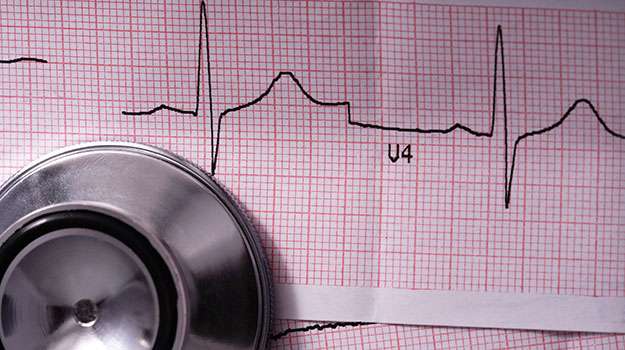
This condition occurs when one or more of the heart valves do not work properly. Valvular Heart Disease can arise due to congenital defects or conditions like rheumatic fever over time. Understanding its impact on heart function is crucial for timely management.
- Inefficient valve function may cause symptoms including breathlessness upon exertion or swollen ankles due to fluid retention; others might experience heart palpitations too!
- A healthcare provider often diagnoses this condition using echocardiograms along with thorough evaluations of symptoms presented by the patient.
- Treatment strategies may involve regular monitoring, medications tailored specifically addressing symptoms experienced by each patient; surgical interventions may be necessary in severe cases!
Taking action early can significantly improve long-term outcomes for individuals with Valvular Heart Disease。
HYPERTENSION
Hypertension, or high blood pressure, is often called the 'silent killer' because it frequently has no obvious symptoms. This condition increases the risk for heart disease and stroke significantly if left untreated.
- Select factors that contribute to hypertension include stress, poor diet high in sodium, lack of physical activity, and genetic predisposition.
- Easily diagnosed through routine blood pressure measurements taken during medical check-ups!
- Treatment can involve lifestyle changes alongside antihypertensive medications tailored based on individual health needs.
- The goal is typically to achieve optimal blood pressure levels while managing any related health conditions effectively.
Proactive management leads not only to better health outcomes but also enhances overall quality of life for those dealing with Hypertension.
HEART FAILURE
Heart Failure is a serious condition where the heart cannot pump sufficient blood to meet the body's needs. It affects millions worldwide and requires ongoing management to improve survival rates.
- Common symptoms include dizziness, chronic cough, fat accumulation around the abdomen, and reduced ability to exercise.
- A definitive diagnosis is made through a combination of physical examinations, imaging tests like echocardiograms, and lab tests assessing kidney function.
- Treatment options range from medications such as diuretics adjusting fluid levels to advanced therapies like implantable devices in severe cases.
- A personalized care plan involving dietary adjustments and careful monitoring plays a key role in managing this chronic condition effectively.
If managed properly, many patients lead fulfilling lives despite living with Heart Failure.
ATRIAL FIBRILLATION
Atrial Fibrillation (AFib) is an irregular heartbeat that can lead to various complications, including stroke. It affects people of all ages but is especially common in older adults.
- The causes may range from high blood pressure to underlying heart conditions or even excessive alcohol consumption.
- Diagnosis often requires an electrocardiogram (ECG) along with patient history assessment.
- Treatment usually consists of medications for rate control and blood thinners to prevent clots, as well as procedural interventions like cardioversion in some cases.
- Lifestyle modifications such as diet changes and regular exercise are also critical in managing AFib effectively.
With appropriate treatment strategies, individuals can manage symptoms and reduce risk factors associated with this condition.
CORONARY ARTERY DISEASE
Coronary Artery Disease (CAD) occurs when the coronary arteries become narrowed or blocked due to plaque buildup. This condition can significantly increase the risk of heart attacks and requires immediate attention.
- Symptoms of CAD may include chest pain, shortness of breath, and fatigue during physical activities.
- Diagnosis typically involves methods such as a stress test, angiography, or CT scans.
- Treatment options encompass lifestyle changes, medication to lower cholesterol or blood pressure, and possibly procedures like angioplasty or bypass surgery.
- Patients can expect a comprehensive management plan that includes regular follow-ups and monitoring of heart health.
Effective management can lead to improved health outcomes and enhanced quality of life for those affected by CAD.