
Dr Ajay Mehra
About Me
Dr Ajay Mehra
Cardiologist
Biography
My Clinic
OPD Hours
| Tuesday | Morning | 10:00 AM | - | 02:00 PM |
| Evening | 06:00 PM | - | 09:00 PM | |
| Wednesday | Morning | 10:00 AM | - | 02:00 PM |
| Evening | 06:00 PM | - | 09:00 PM | |
| Thursday | Morning | 10:00 AM | - | 02:00 PM |
| Evening | 06:00 PM | - | 09:00 PM | |
| Friday | Morning | 10:00 AM | - | 02:00 PM |
| Evening | 06:00 PM | - | 09:00 PM | |
| Saturday | Morning | 10:00 AM | - | 02:00 PM |
| Evening | 06:00 PM | - | 09:00 PM | |
| Sunday | Morning | 10:00 AM | - | 02:00 PM |
| Evening | 06:00 PM | - | 09:00 PM | |
| Thursday | Morning | 10:00 AM | - | 02:00 PM |
| Evening | 06:00 PM | - | 09:00 PM |
Treatments
Specialised care and treatments offered
LIFESTYLE MODIFICATION FOR HEART HEALTH

Improving heart health often begins with proactive lifestyle modifications that empower patients towards better cardiovascular status. Small choices collectively foster significant impact!
- Poor dietary choices often manifest as weight gain leading indirectly toward cardiovascular complications so it’s key to focus on balanced meals abundant in nutrients!
- Diagnosing unhealthy habits entails mindful awareness rather than formal assessment – recognizing triggers encourages constructive change from within!
- Regular exercise which boosts overall endurance strengthens not just muscles but also directly benefits cardiac function by improving circulation!
- Routine checkups facilitate early detection capturing shifts before they escalate into emergencies!
As you embrace lifestyle changes diligently over time consider each step progressive embracing optimism towards maintaining optimal cardiovascular fitness!
CORONARY ARTERY DISEASE (CAD) MANAGEMENT
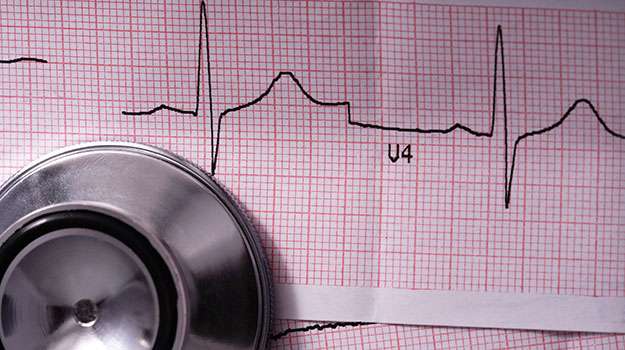
Coronary artery disease occurs when the coronary arteries become narrowed due to plaque buildup. Early intervention aims crucially at preventing severe outcomes like heart attacks!
- Sufferers might experience chest pain or discomfort during physical activity; however, some may feel nothing until more advanced stages develop.
- The diagnosis typically involves tests like stress testing combined with angiography for proper visualization of arterial blockages.
- Lifestyle changes including smoking cessation; a balanced diet; increased physical activity; alongside medications play key roles in disease management.
- Caring for CAD includes regular assessments which help tailor ongoing treatment needs based on progress observed over time!
Your commitment to these changes can stabilize your condition while enhancing your overall cardiovascular wellbeing!
ATRIAL FIBRILLATION TREATMENT
Atrial fibrillation (AFib) is an irregular heartbeat that can increase the risk of strokes. Effective management focuses on restoring normal rhythm and preventing complications.
- Patients may notice palpitations, dizziness, or fatigue; however, some might be asymptomatic until detected during routine exams.
- A diagnosis usually involves an electrocardiogram (ECG), which records the electrical activity of the heart for assessment.
- Treatment may include medications aimed at controlling heart rate or rhythm along with anticoagulants to prevent clot formation.
- Patients should anticipate ongoing evaluation through follow-up appointments where treatment effectiveness will be assessed regularly.
Diligent management leads many patients towards improved quality of life and reduced stroke risk over time.
HEART FAILURE MANAGEMENT
Heart failure means the heart isn't pumping effectively. While it sounds alarming, many patients manage this condition successfully through lifestyle modifications and medical interventions.
- Symptoms may include fatigue, shortness of breath even with mild exertion, swelling in the legs, or persistent coughing.
- This condition is typically diagnosed through physical exams, echocardiograms, or other imaging tests that assess heart function.
- Treatment options often emphasize fluid management strategies such as sodium restriction. Medications and exercise programs are also essential components for many patients!
- The expected outcome involves close monitoring with periodic evaluations to determine effectiveness and make necessary adjustments in care plans.
A comprehensive approach helps many individuals maintain an active lifestyle despite their diagnosis.
CHOLESTEROL MANAGEMENT
High cholesterol is a critical health issue that can lead to heart disease. Understanding your cholesterol levels is essential for maintaining heart health
- Often there are no symptoms associated with high cholesterol, making regular screening crucial for early detection.
- A lipid panel blood test is used to diagnose high cholesterol by measuring various types of fats in your blood.
- Management strategies might include adopting a healthier diet rich in fruits, vegetables, and whole grains while minimizing saturated fats. Exercise plays a vital role as well.
- Regular follow-up checks are advisable to track your progress and adjust treatment plans as necessary.
Commitment to lifestyle changes can dramatically improve your cholesterol levels and overall heart health.
HYPERTENSION MANAGEMENT
Hypertension, or high blood pressure, is a common yet serious condition that can lead to significant health complications if left untreated. Lifestyle changes are often the first line of defense in managing hypertension effectively.
- Common symptoms include headaches, shortness of breath, and nosebleeds, though many people may not experience noticeable symptoms.
- This condition is typically diagnosed through routine blood pressure readings during regular check-ups or at home using a blood pressure monitor.
- Treatment options range from dietary modifications such as reducing salt intake to engaging in regular physical activity and managing stress levels. In some cases, medication may also be prescribed to help control blood pressure.
- Patients can expect regular monitoring of their blood pressure and adjustments to their treatment plan based on effectiveness and any side effects encountered.
By making these lifestyle adjustments, individuals can significantly lower their risk of serious cardiovascular events like heart attack or stroke.