
Dr Ajay Pal Sing
About Me
Dr Ajay Pal Sing
MD
Nephrologist
10 Years Experience
Biography
My Clinic
OPD Hours
| Monday | Morning | 10:00 AM | - | 02:00 PM |
| Evening | 06:00 PM | - | 09:00 PM | |
| Tuesday | Morning | 10:00 AM | - | 02:00 PM |
| Evening | 06:00 PM | - | 09:00 PM | |
| Wednesday | Morning | 10:00 AM | - | 02:00 PM |
| Evening | 06:00 PM | - | 09:00 PM | |
| Thursday | Morning | 10:00 AM | - | 02:00 PM |
| Evening | 06:00 PM | - | 09:00 PM | |
| Friday | Morning | 10:00 AM | - | 02:00 PM |
| Evening | 06:00 PM | - | 09:00 PM | |
| Saturday | Morning | 10:00 AM | - | 02:00 PM |
| Evening | 06:00 PM | - | 09:00 PM | |
| Sunday | Morning | 10:00 AM | - | 02:00 PM |
| Evening | 06:00 PM | - | 09:00 PM |
Treatments
Specialised care and treatments offered
POLYCYSTIC KIDNEY DISEASE (PKD) MANAGEMENT
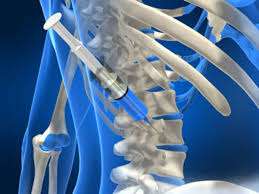
This genetic disorder leads to the formation of multiple cysts within the kidneys which progressively impair their functioning. Early recognition is key for optimal management strategies。
- Symptoms may include abdominal pain、back pain、blood in urine、and frequent urinary tract infections。
- Diagnosis generally relies on imaging techniques such as ultrasound or MRI scans confirming cyst presence on affected organs。
- While there’s no cure currently available,management focuses on symptom relief including pain control、hydration、and blood pressure regulation using appropriate medications。
- Regular surveillance helps track progression towards more serious conditions like hypertension or chronic renal failure;appropriate adjustments ensure balanced health maintenance over time。 < le=
GLOMERULONEPHRITIS MANAGEMENT

This inflammatory condition affects the tiny filtering units in the kidneys known as glomeruli. Efficient management strategies are essential to minimize damage and preserve kidney function over time。
- Symptoms often manifest as edema,hypertension,and hematuria,indicating potential underlying issues。
- Diagnosis typically requires urinalysis,blood tests,and sometimes a biopsy for definitive assessment。
- Treatment modalities vary but can include corticosteroids,immunosuppressive drugs,and controlling blood pressure through lifestyle changes or medications。
- Regular monitoring enables early identification of complications such as chronic kidney disease resulting from prolonged inflammation。
- Collaborative care between nephrologists,general practitioners,and specialists is vital for comprehensive management of this multifaceted condition。
Effective interventions play a crucial role in preserving kidney health while addressing inflammation actively。
KIDNEY TRANSPLANTATION

A kidney transplant offers patients with end-stage renal disease an opportunity for improved quality of life by replacing the failed organ with a healthy donor kidney. This complex procedure requires careful evaluation prior to surgery.
- Candidates may suffer from chronic fatigue, reduced appetite, and frequent hospitalizations due to declining renal function.
- A thorough workup including blood tests, imaging studies, and psychological evaluations help determine eligibility for transplantation.
- The surgery involves removing the diseased kidney (if necessary) and implanting the new organ from a living or deceased donor.
- Post-transplant care includes lifelong immunosuppressive medication to prevent rejection along with regular monitoring by healthcare professionals.
- With proper follow-up care, most recipients experience significant improvements in health status after transplantation .
For many individuals facing chronic renal failure, transplantation presents a hope for returning to normalcy in daily life activities。
HEMODIALYSIS

Hemodialysis is a lifesaving procedure that filters waste products from the blood when kidneys are unable to perform their functions effectively. This therapy is essential for patients with end-stage renal disease.
- Common symptoms leading to this treatment include severe fatigue, swelling, and electrolyte imbalances.
- The diagnostic process typically involves assessing kidney function through lab tests alongside evaluating symptoms.
- Dialysis itself requires a vascular access point and usually occurs several times a week at specialized clinics or at home.
- Managing diet and fluid intake becomes crucial during this therapy for optimal results.
- Patients can expect ongoing care that focuses on both physical health and emotional support throughout their treatment journey.
This approach helps alleviate symptoms associated with renal failure while maintaining overall well-being during treatment periods.
KIDNEY STONE REMOVAL SURGERY

Kidney stones can cause severe pain and discomfort when they obstruct urinary flow. Surgical intervention might be necessary in cases where stones are large or resistant to conservative treatments.
- Patients often experience symptoms like intense flank pain, nausea, and hematuria (blood in urine).
- The procedure is diagnosed through imaging studies such as ultrasounds or CT scans to determine stone size and location.
- Surgical options include ureteroscopy, percutaneous nephrolithotomy, or extracorporeal shock wave lithotripsy (ESWL).
- Pain management and hydration are critical components of post-operative care to encourage recovery.
- The long-term prognosis is positive with appropriate follow-up measures in place to prevent recurrence of stones.
Understanding surgical options allows for informed decisions about optimal treatment for kidney stones.
CHRONIC KIDNEY DISEASE (CKD)

Chronic Kidney Disease is a progressive condition where the kidneys gradually lose their function over time. It can lead to significant health issues if not managed effectively.
- Symptoms may include fatigue, swelling in the legs, and changes in urination patterns.
- The diagnosis typically involves blood tests to measure kidney function, as well as urine tests for protein levels.
- Treatment options include managing underlying conditions such as diabetes and hypertension, dietary changes, and medications to slow progression.
- In advanced stages, patients might need dialysis or a kidney transplant.
- Regular follow-ups are crucial to monitor kidney health and adjust treatment plans accordingly.
Early detection and management of CKD can significantly improve quality of life and reduce complications related to kidney failure.