
Dr Ajay Sharma
About Me
Dr Ajay Sharma
MBBS
Podiatrist
10 Years Experience
Biography
My Clinic
OPD Hours
| Monday | Morning | 10:00 AM | - | 02:00 PM |
| Evening | 06:00 PM | - | 09:00 PM | |
| Tuesday | Morning | 10:00 AM | - | 02:00 PM |
| Evening | 06:00 PM | - | 09:00 PM | |
| Wednesday | Morning | 10:00 AM | - | 02:00 PM |
| Evening | 06:00 PM | - | 09:00 PM | |
| Thursday | Morning | 10:00 AM | - | 02:00 PM |
| Evening | 06:00 PM | - | 09:00 PM | |
| Friday | Morning | 10:00 AM | - | 02:00 PM |
| Evening | 06:00 PM | - | 09:00 PM | |
| Saturday | Morning | 10:00 AM | - | 02:00 PM |
| Evening | 06:00 PM | - | 09:00 PM | |
| Sunday | Morning | 10:00 AM | - | 02:00 PM |
| Evening | 06:00 PM | - | 09:00 PM |
Treatments
Specialised care and treatments offered
DIABETIC FOOT CARE
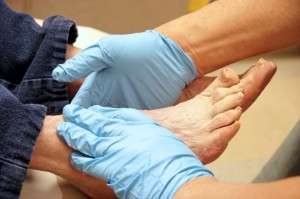
The diabetic foot requires special attention due to decreased blood circulation—a common complication linked primarily arising from unresolved diabetes conditions over time that compromises overall wellness significantly!
--;- -Patients need regular checkups ensuring early detection occuring whenever feasible avoiding dire consequences often leading amputations ultimately trying turning back following stricter diet plans alongside good exercise regimens once adhering guidelines quoting professional advice accordingly thus bringing positive changes forth!
- ()++Overall awareness creates knowledge empowering us—thereby promoting healthier lifestyles reducing risks overall contributing positively enhancing quality futures embracing healthy active living long term!
INGROWN TOENAILS
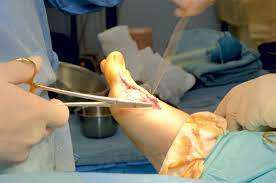
An ingrown toenail occurs when one or both edges of a toenail grow into surrounding skin causing pain and inflammation. Poor nail trimming techniques or wearing tight shoes frequently contributes to this issue among patients.
- The typical symptoms involve redness around the nail edge, swelling, tenderness upon touching it, and sometimes discharge indicating infection early on should be observed closely as well!
- Diagnosis usually entails an inspection by examining both affected nails thoroughly while considering medical history relevant to similar incidences previously documented.
Following appropriate recommendations fosters healing conditions enabling full resolution capabilities which would otherwise hinder daily freedom pursuits earlier noted especially involving sports enthusiasts!
NEUROMA (MORTON'S NEUROMA)
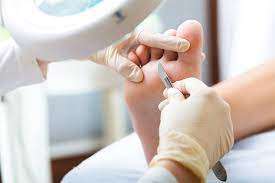
Morton's neuroma is characterized by a thickening of nerve tissue between the toes, commonly affecting the area between the third and fourth toes. It leads to discomfort during walking or standing due to irritation around a nerve in the foot.
- You may experience sharp pain or a burning sensation in the ball of your foot alongside numbness between your toes as primary symptoms.
- A thorough examination focusing on your symptoms will usually suffice for diagnosis; imaging studies are rarely necessary unless complications arise.
- Treatment employs non-invasive approaches like wearing wider shoes and custom orthotic devices designed to minimize pressure on affected areas while maximizing comfort levels during daily activities.
- Corticosteroid injections might be considered for persistent symptomatic relief if more conservative measures fail.
- Many patients respond positively with lifestyle adjustments aimed at maintaining foot comfort.
With proper attention directed toward symptom management, everyday mobility can be significantly restored without more invasive procedures.
ACHILLES TENDINITIS
Achilles tendinitis is an inflammation of the Achilles tendon that connects your calf muscles to your heel bone. This condition often develops due to repetitive strain from excessive physical activity or improper footwear choices.
- The primary symptoms encompass tenderness along the tendon, particularly after physical activity, swelling, and stiffness in the morning.
- Your doctor will conduct a thorough evaluation which may include checking your range of motion and gait analysis for accurate diagnosis.
- Treatment highlights include rest and ice application as initial measures along with cessation of aggravating activities. Gradual rehabilitation exercises are key for recovery.
- The incorporation of supportive footwear can greatly aid in managing this condition effectively.
- An active lifestyle can often be maintained through adjusted activities during recovery phases.
Persistent care is essential as most individuals see improvement through guided management strategies aimed at regaining strength and flexibility in the tendon.
FLAT FEET
Flat feet occur when the arches of the feet do not develop properly, resulting in a flatter appearance. This condition might lead to discomfort or pain while walking or standing for extended periods.
- The main symptoms include fatigue in the feet and legs, swelling at the arch, and pain in the heels or lower back.
- Differential diagnosis involves examining foot structure through visual inspection and possibly gait analysis.
- Treatment may include arch supports, tailored footwear recommendations, and therapeutic exercises designed to enhance muscle strength.
- Mild cases often improve with simple lifestyle changes and avoidance of high-impact activities.
- A comprehensive approach can lead to significant improvements in mobility and quality of life for patients.
Understanding flat feet allows for better management strategies tailored to individual patient needs.
PLANTAR FASCIITIS
Plantar fasciitis is a common condition that causes heel pain due to inflammation of the plantar fascia, a thick band of tissue that runs across the bottom of the foot. This condition often results from repetitive stress, overuse, or improper footwear.
- Symptoms include localized heel pain, especially during the first steps in the morning or after prolonged periods of sitting.
- Diagnosis typically involves a physical examination and assessment of foot mechanics, along with imaging tests if needed.
- Treatment options focus on non-surgical methods, such as custom orthotics, stretching exercises, and anti-inflammatory medications.
- A physical therapy program may also be recommended to strengthen and condition the foot muscles.
- Patients can expect gradual improvement with consistent adherence to treatment protocols.
With appropriate management, most individuals find relief and can return to their normal activities without discomfort.