
Dr Ajeet Bana
About Me
Dr Ajeet Bana
Cardiologist
Biography
My Clinic
OPD Hours
| Monday | Morning | 10:00 AM | - | 02:00 PM |
| Evening | 06:00 PM | - | 09:00 PM | |
| Tuesday | Morning | 10:00 AM | - | 02:00 PM |
| Evening | 06:00 PM | - | 09:00 PM | |
| Wednesday | Morning | 10:00 AM | - | 02:00 PM |
| Evening | 06:00 PM | - | 09:00 PM | |
| Thursday | Morning | 10:00 AM | - | 02:00 PM |
| Evening | 06:00 PM | - | 09:00 PM | |
| Friday | Morning | 10:00 AM | - | 02:00 PM |
| Evening | 06:00 PM | - | 09:00 PM | |
| Saturday | Morning | 10:00 AM | - | 02:00 PM |
| Evening | 06:00 PM | - | 09:00 PM | |
| Sunday | Morning | 10:00 AM | - | 02:00 PM |
| Evening | 06:00 PM | - | 09:00 PM |
Treatments
Specialised care and treatments offered
ELECTROCARDIOGRAM (ECG) TESTING

An electrocardiogram (ECG) is a crucial diagnostic tool used by cardiologists to assess electrical activity within the heart. This non-invasive procedure records these signals over time which provides significant insight into cardiac function and overall health status without requiring hospitalization or drastic intervention methods respectively .
- Purpose : ECGs serve multiple purposes helping identify abnormal rhythms indicating potential underlying conditions ranging from minor hiccups up till severe disorders affecting one’s wellbeing .
- Procedure outline: It's completed swiftly lasting only a few minutes wherein electrodes placed on skin detect rhythm patterns generating graphs displaying waveforms visible on separate monitors furnished by technology aiding accuracy – even portable versions exist !
- Interpretation results : Trained professionals meticulously analyze these outputs gauging whether response falls within acceptable limits allowing personalized adjustments based upon outcomes achieved via consultations following analysis done thereafter providing clarity going forward regardless how well somebody feels physically themselves at that moment !!
This straightforward yet revealing technique plays an integral role towards achieving optimal care paths focused around patient-centric approaches while prioritizing efficiency combined delivering successful results aimed toward longevity ultimately enhancing lifespans significantly !
HEART HEALTH SCREENINGS
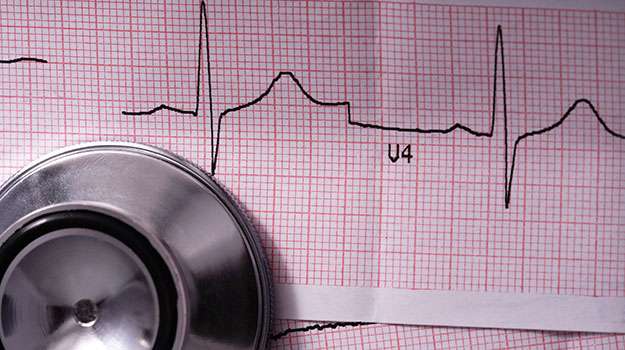
A comprehensive approach towards maintaining cardiac wellness involves undergoing regular heart health screenings. These evaluations help identify potential risks associated with cardiovascular diseases even before they manifest visibly in patients.
- Importance: Screenings assist in assessing blood pressure , cholesterol levels , glucose metabolism among other metrics reflecting overall cardiac fitness .
- When to screen: Regular assessments are recommended especially if one has risk factors such as age , family history , obesity etc .
- Techniques used: Various tests including echocardiograms , stress tests along with lab work provide insights into your heart’s functioning .
- Benefits : Early diagnosis means leading actions toward healthier living reducing long term fatality rates while improving quality of life regardless age group .
Caring for your heart begins with understanding its current state; make screenings part of preventive healthcare routines today!
ARRHYTHMIA EVALUATION
An arrhythmia refers to an irregular heartbeat that can disrupt normal functions of the heart. While some arrhythmias may be harmless, others can have serious implications for one's health if not addressed properly.
- Symptoms: Patients may experience palpitations or feelings of fluttering in the chest; however, some may notice no signs at all until a serious issue arises.
- Diagnosis methods: An EKG or Holter monitor helps capture irregular rhythms during routine activities or sleep for accurate assessment over time.
- Treatment options: Depending on severity , treatments range from lifestyle changes and medication to more invasive procedures like catheter ablation if needed .
- Management: Ongoing cardiac monitoring and adherence to prescribed treatment plans help manage arrhythmias effectively .
- What to expect: With proper evaluation , most patients learn ways to control their condition , ensuring better quality of life .
Navigating the complexities of arrhythmias requires expert evaluation for tailored management solutions .
HEART DISEASE PREVENTION
Heart disease encompasses various conditions affecting heart function but is mostly preventable with proactive measures. Understanding your risk factors is key to reducing chances of developing heart-related ailments.
- Symptoms: Early-stage heart disease might show no obvious symptoms; however, fatigue or chest pain can indicate underlying issues.
- Risk factors: Factors like smoking, a sedentary lifestyle, obesity, diabetes, and family history increase the likelihood of developing heart disease.
- Prevention strategies: Incorporating physical activity into your daily routine and adopting a heart-healthy diet rich in fruits and vegetables are supportive measures.
- Screens & tests: Regular check-ups including ECGs or stress tests help monitor heart health proactively.
The earlier you address potential risks through prevention strategies, the more likely you are to maintain a healthy heart throughout life.
CHOLESTEROL SCREENING
Monitoring cholesterol levels is vital for evaluating heart health. High cholesterol can lead to the formation of plaques in the arteries, increasing the risk of cardiovascular diseases.
- Symptoms: High cholesterol usually presents no symptoms but can lead to serious conditions such as heart attacks or strokes if not managed.
- Diagnosis: A simple blood test measures lipid levels; fasting before this test may be required for accurate results.
- Treatment options: Dietary changes, exercise, and medications like statins may be prescribed based on individual needs.
- Management: Maintaining a balanced lifestyle with regular follow-ups can help manage cholesterol levels effectively.
- What to expect: Regular screening allows for timely interventions that can prevent future health issues related to high cholesterol.
Catching high cholesterol early through routine screenings ensures proactive management for better cardiovascular health.
HYPERTENSION MANAGEMENT
Hypertension, commonly known as high blood pressure, can lead to severe health complications if left untreated. It is often called a "silent killer" because it typically has no noticeable symptoms. Early detection and management are crucial.
- Symptoms: Many individuals do not experience symptoms; however, some may have headaches, shortness of breath, or nosebleeds.
- Diagnosis: Blood pressure is measured using a sphygmomanometer. Multiple readings taken over time help confirm hypertension.
- Treatment options: Lifestyle changes such as diet modification, regular exercise, and medications like diuretics or ACE inhibitors are commonly recommended.
- Management: Regular monitoring and follow-up appointments are essential to adjust treatment plans as needed.
- What to expect: With effective management, many people can maintain healthy blood pressure levels and reduce their risk of heart disease.
Addressing hypertension early through regular check-ups can significantly improve your overall health and well-being.