
Dr Ajeet Foujdhar
About Me
Dr Ajeet Foujdhar
MS
Otolaryngologist
10 Years Experience
Biography
My Clinic
OPD Hours
| Monday | Morning | 10:00 AM | - | 02:00 PM |
| Evening | 06:00 PM | - | 09:00 PM | |
| Tuesday | Morning | 10:00 AM | - | 02:00 PM |
| Evening | 06:00 PM | - | 09:00 PM | |
| Wednesday | Morning | 10:00 AM | - | 02:00 PM |
| Evening | 06:00 PM | - | 09:00 PM | |
| Thursday | Morning | 10:00 AM | - | 02:00 PM |
| Evening | 06:00 PM | - | 09:00 PM | |
| Friday | Morning | 10:00 AM | - | 02:00 PM |
| Evening | 06:00 PM | - | 09:00 PM | |
| Saturday | Morning | 10:00 AM | - | 02:00 PM |
| Evening | 06:00 PM | - | 09:00 PM | |
| Sunday | Morning | 10:00 AM | - | 02:00 PM |
| Evening | 06:00 PM | - | 09:00 PM |
Treatments
Specialised care and treatments offered
PERCUTANEOUS TRACHEOSTOMY
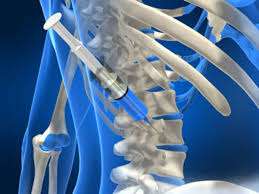
A tracheostomy creates an airway opening directly into the windpipe. The percutaneous method allows this through a needle puncture at bedside rather than open surgery in an operating room setting.
- Candidates often have : Prolonged ventilator dependence , upper airway obstruction , or secretion clearance needs .
- The procedural overview includes : Under sedation , a guidewire technique dilates tissue gradually allowing safe placement of tracheostomy tube .
- Main advantages : Reduced operative time , less bleeding , fewer complications compared to surgical tracheostomy .
- Avoiding risks : Careful patient selection & sterile technique minimize infection risk around stoma site .
- Caring post-procedure : Tube care education & regular follow-up prevent blockages & ensure airway patency .
This technique supports critical patients by facilitating breathing support in a less invasive manner promoting faster recovery potential when clinically appropriate .
PEDIATRIC NASAL FRACTURE REDUCTION

Nasal injuries are common in children due to falls or sports activities. Timely management through closed reduction techniques prevents long-term deformity while minimizing surgical impact.
- Suspicious signs after trauma include: Nasal swelling, bruising around eyes (raccoon eyes), nasal obstruction, or visible deformity suggest fracture presence.
- The diagnostic work-up consists of:Nasal examination along with X-rays if needed confirms fracture type and displacement level requiring correction.
- Treatment methodology involves : Manual realignment (closed reduction) under local or general anesthesia depending on age recentness .
- Anesthetic considerations : It’s typically performed urgently within 7-10 days post-injury to optimize cosmetic outcomes .
- The recovery phase : Mild swelling subsides within days ; follow-up ensures proper healing without functional deficits .
This timely intervention helps maintain both appearance and nasal airway function for pediatric patients after trauma .
OFFICE-BASED EARWAX REMOVAL

Cerumen impaction can cause hearing loss, discomfort, or tinnitus if not managed properly. Safe removal in a clinical setting ensures patient comfort and reduces risks associated with home methods.
- Affected individuals experience: Symptoms like earache, decreased hearing acuity, itching, or a feeling of fullness in the ear canal are common indications for removal.
- Assessment techniques: Visualization using otoscopy determines wax quantity and consistency before proceeding safely with extraction.
- Treatment options include: Gentle irrigation or microsuction under direct visualization removes wax carefully without damaging delicate ear structures.
- The expected outcome: Immediate restoration of hearing clarity and relief from associated symptoms following treatment during an office visit.
This approach prioritizes patient safety while providing effective resolution of cerumen-related ear complaints in a convenient setting.
BALLOON EUSTACHIAN TUBOPLASTY

Eustachian tube dysfunction can lead to ear fullness, discomfort, and hearing problems. Balloon Eustachian Tuboplasty is a modern solution that aims to open blocked tubes gently without invasive surgery.
- Typical symptoms: Patients often report muffled hearing, ear pressure, popping sounds, or recurrent middle ear infections.
- Diagnosis involves: Tympanometry tests combined with endoscopic examination help confirm dysfunction severity.
- The procedure itself: A small balloon catheter is inserted into the Eustachian tube via the nose and inflated briefly to widen the passageway.
- Treatment effects: This restores normal air flow and drainage in most cases, improving symptoms substantially over weeks following treatment.
This minimally invasive technique offers long-term relief for patients struggling with chronic Eustachian tube problems without the need for traditional surgery.
MICROLARYNGOSCOPY

The voice box or larynx can develop lesions affecting speech and breathing. Microlaryngoscopy provides a precise way to examine and treat these issues using specialized instruments.
- Signs prompting evaluation: Hoarseness lasting more than two weeks, vocal fatigue, or throat discomfort warrant assessment.
- How diagnosis is made: High-magnification visualization with a microscope allows detailed inspection of vocal cords under anesthesia.
- Treatment details: Small polyps, cysts, or nodules can be removed during this outpatient procedure with minimal damage to surrounding tissues.
- Postoperative care: Voice rest is typically advised; most patients return to normal activities within days while monitoring voice quality improvement.
This technique offers targeted treatment for various laryngeal conditions while preserving voice function effectively.
ENDOSCOPIC SINUS SURGERY

When chronic sinus infections do not respond to medication, surgical options may be necessary. Endoscopic sinus surgery is a minimally invasive procedure designed to restore normal drainage of the sinuses.
- Symptoms and causes: Persistent nasal congestion, facial pain, and recurrent infections despite medical therapy often indicate the need for intervention.
- Diagnostic process: CT scans and nasal endoscopy help identify the extent of sinus blockage and inflammation.
- Treatment approach: Using a thin endoscope inserted through the nostrils, surgeons remove obstructions such as polyps or inflamed tissue without external incisions.
- Recovery expectations: Most patients experience symptom relief quickly, with minimal downtime and reduced risk compared to traditional surgery.
This procedure helps improve sinus ventilation and reduces the frequency of infections, offering significant relief for patients with chronic sinusitis.